EN
EN

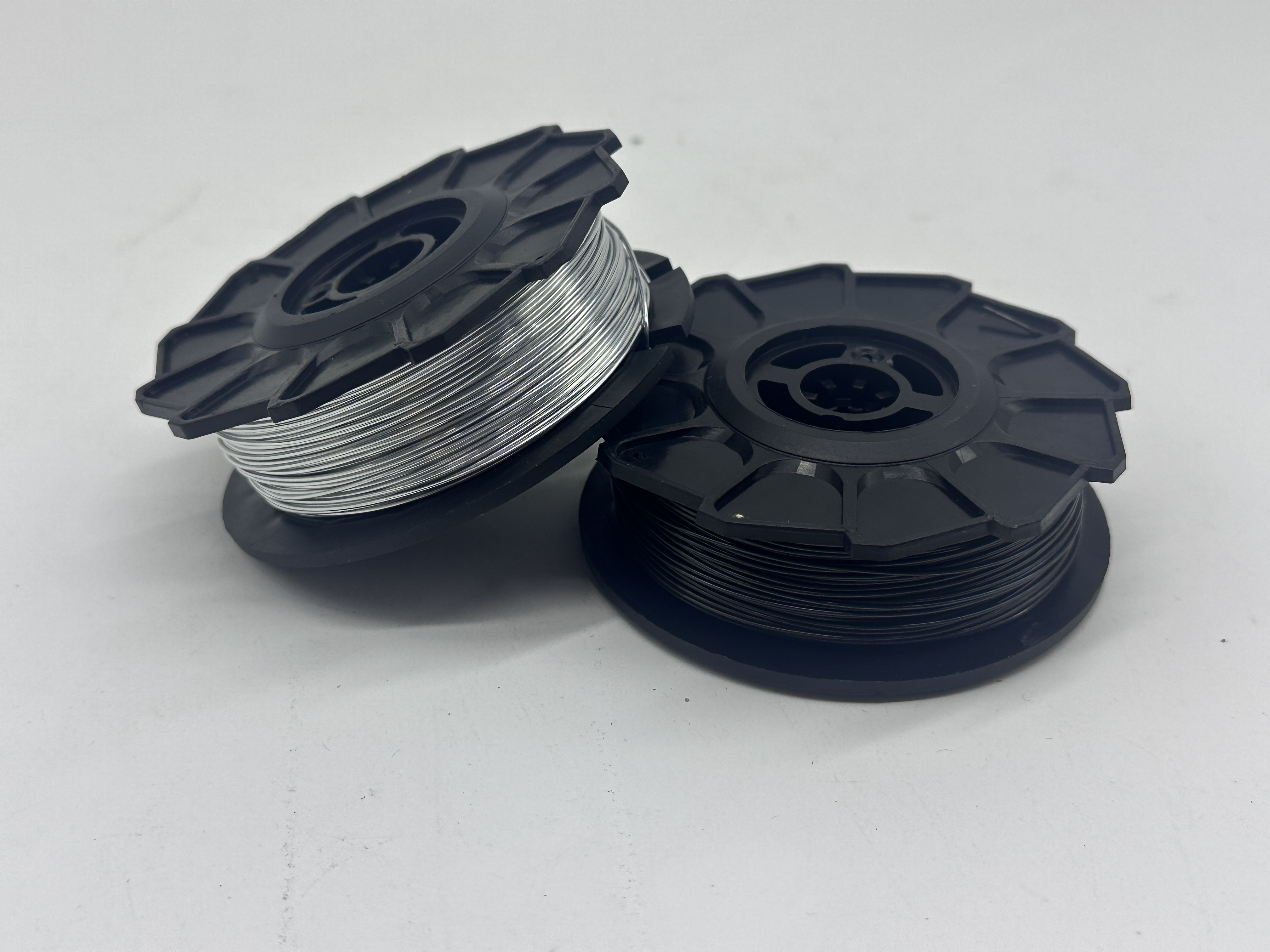
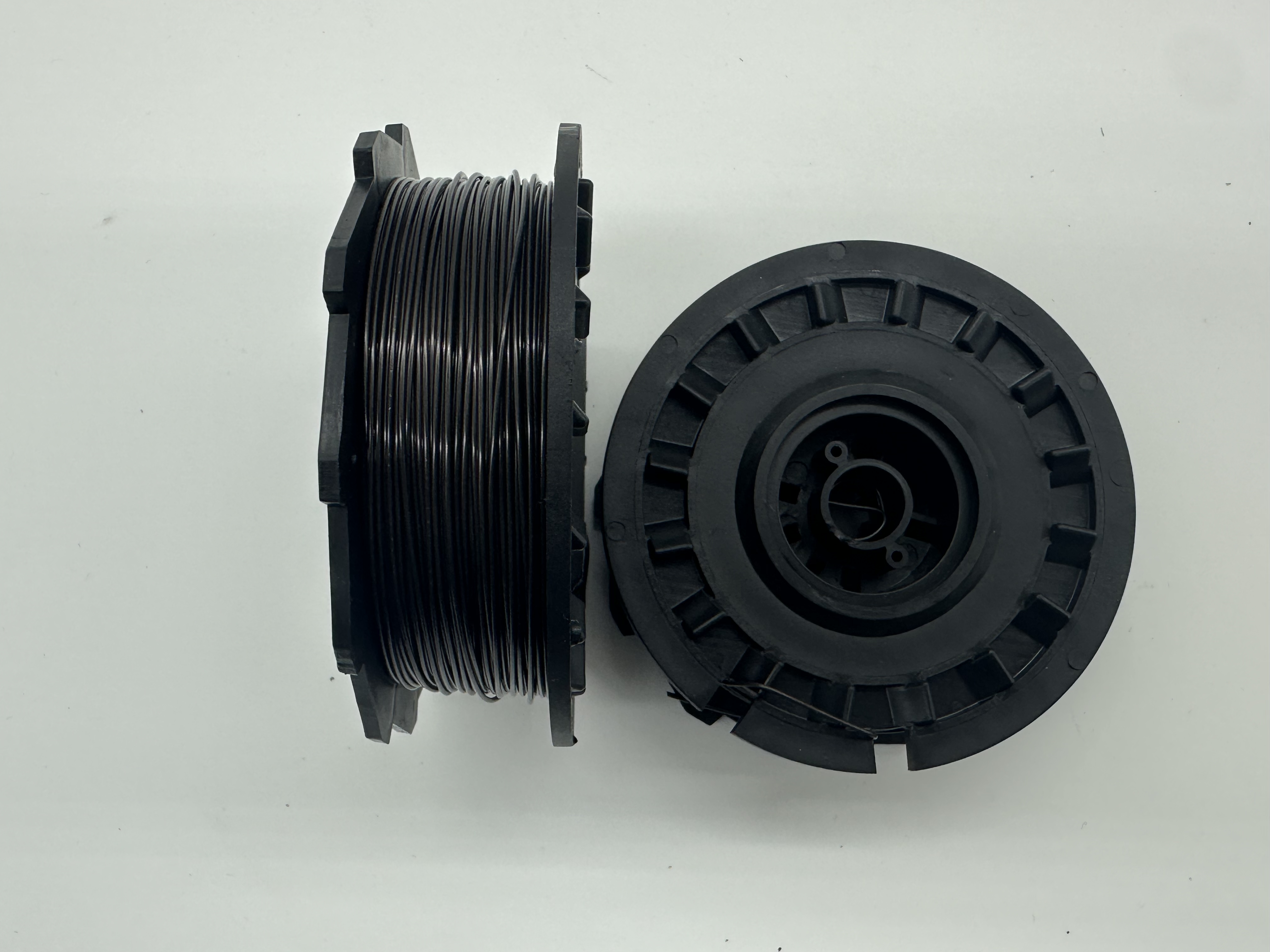
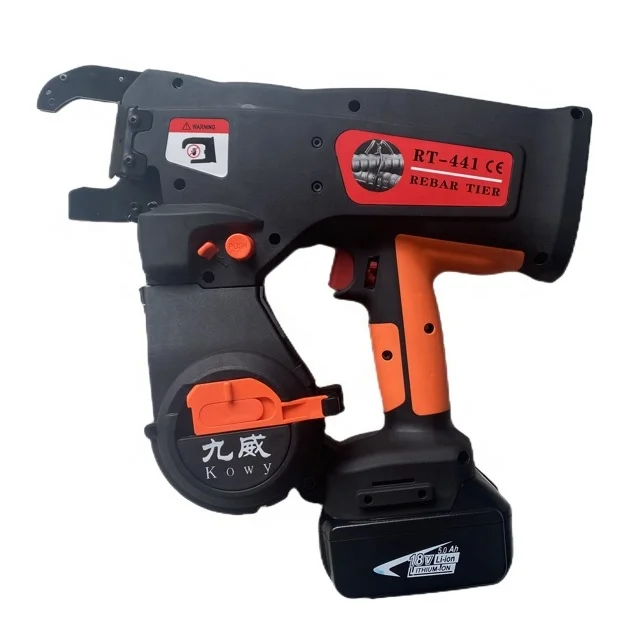
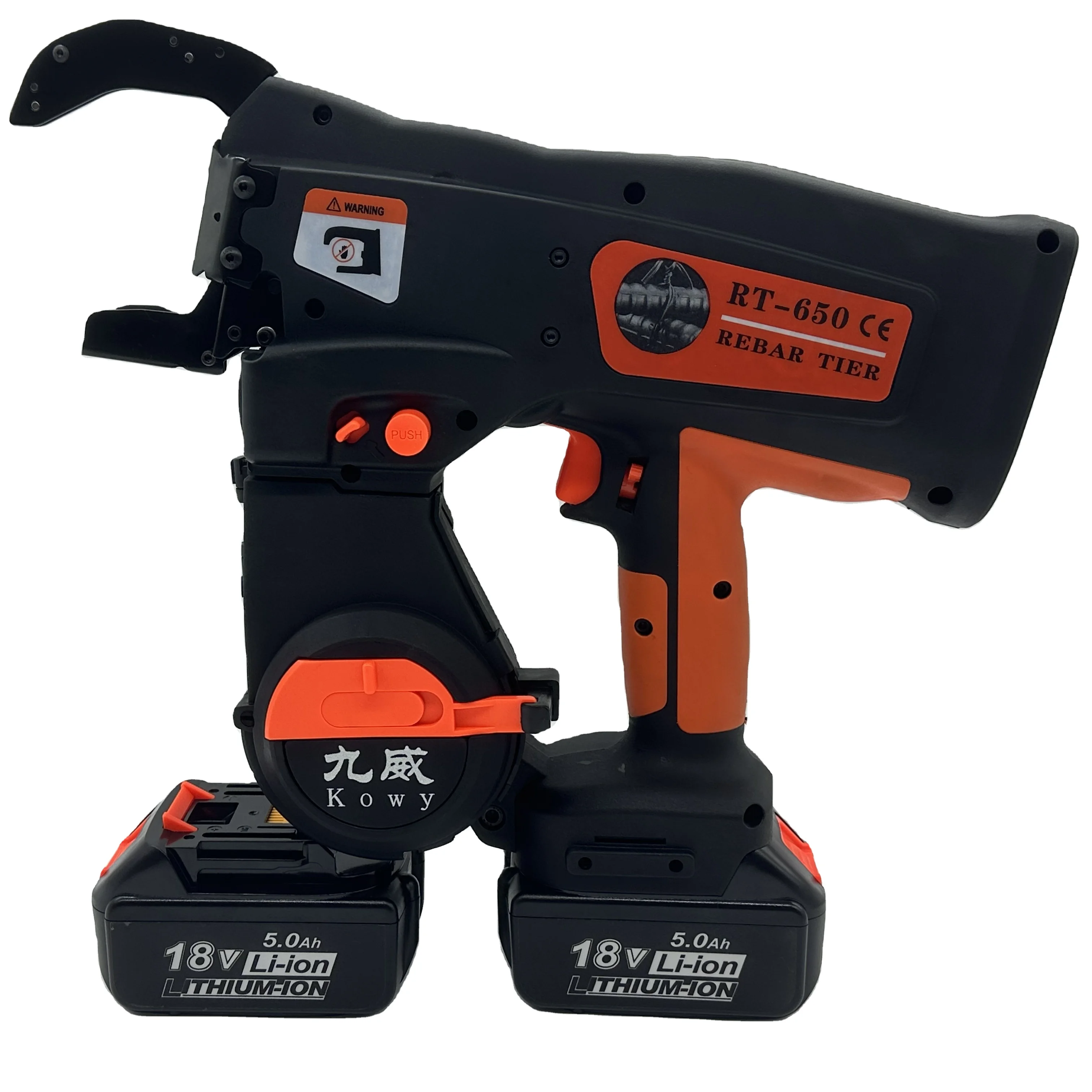
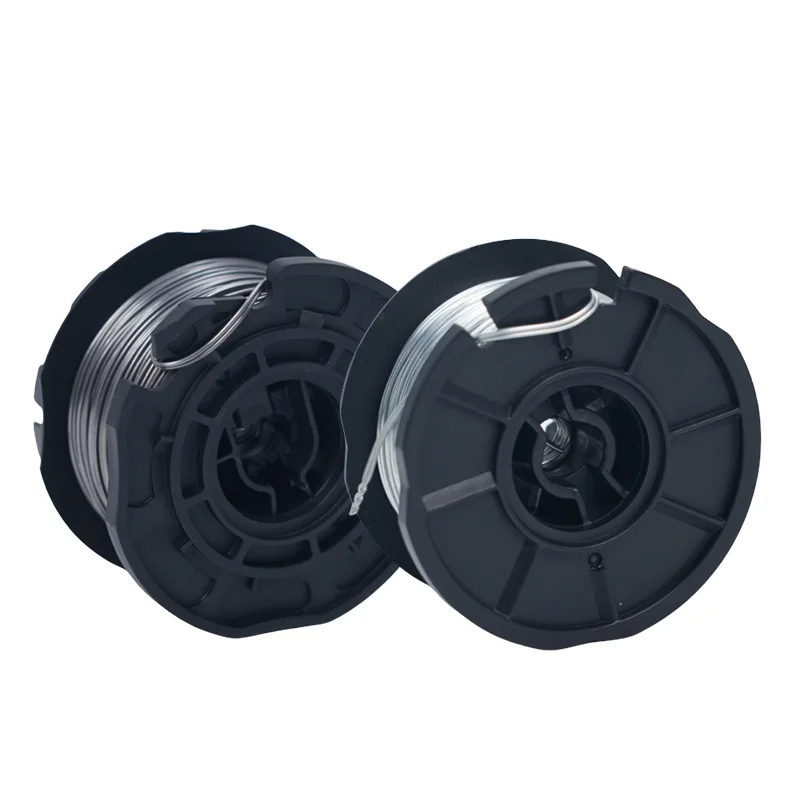
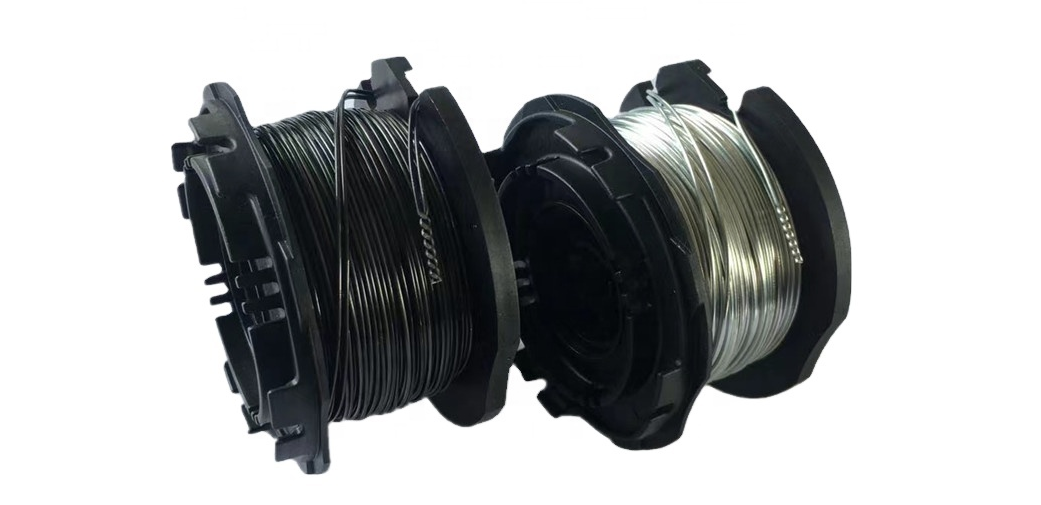
Binding wire is an essential product in the construction industry, primarily used for tying rebar and other materials together to ensure structural integrity. As a B2B buyer, understanding the specifications, applications, and sourcing considerations for binding wire is crucial for making informed purchasing decisions. This article aims to provide valuable insights into binding wire, addressing key specifications, buyer considerations, sourcing strategies, cost factors, and its applications in construction.
What Buyers Need to Know
B2B buyers should be well-informed about several factors before purchasing Kowy binding wire. First and foremost, understanding the specific requirements of your project is essential. Key questions to consider include:
What is the intended application? The application of the binding wire—whether for structural reinforcement, fencing, or other uses—will dictate the type of wire required.
What quantity is needed? Knowing your estimated usage helps in determining the minimum order quantity (MOQ) and can impact pricing. Larger quantities may lead to discounts, but storage capabilities should also be considered.
Are there customization requirements? If your project has unique specifications, communicate these early on. Many manufacturers offer customization options, such as specific diameters, lengths, or coatings, which can enhance the performance of the binding wire for your specific application.
What quality assurance processes are in place? Investigate the manufacturer’s quality control measures. Reliable suppliers should provide certifications or test results confirming that their binding wire tool meets industry standards.
By addressing these questions, buyers can make more informed decisions and establish clearer communication with suppliers.