EN
EN

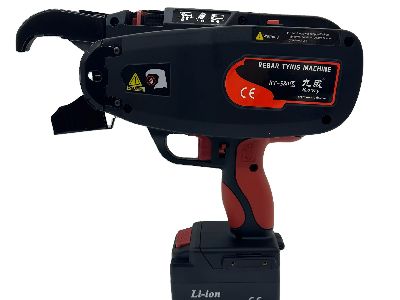
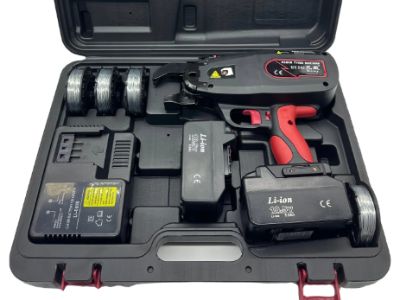
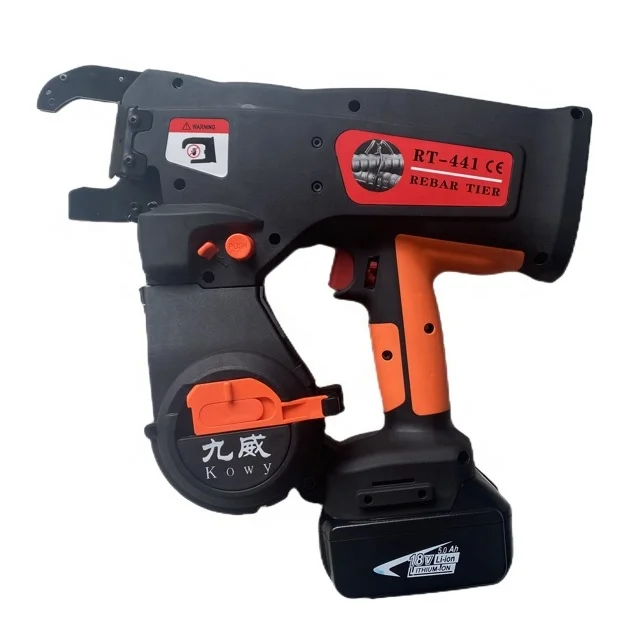
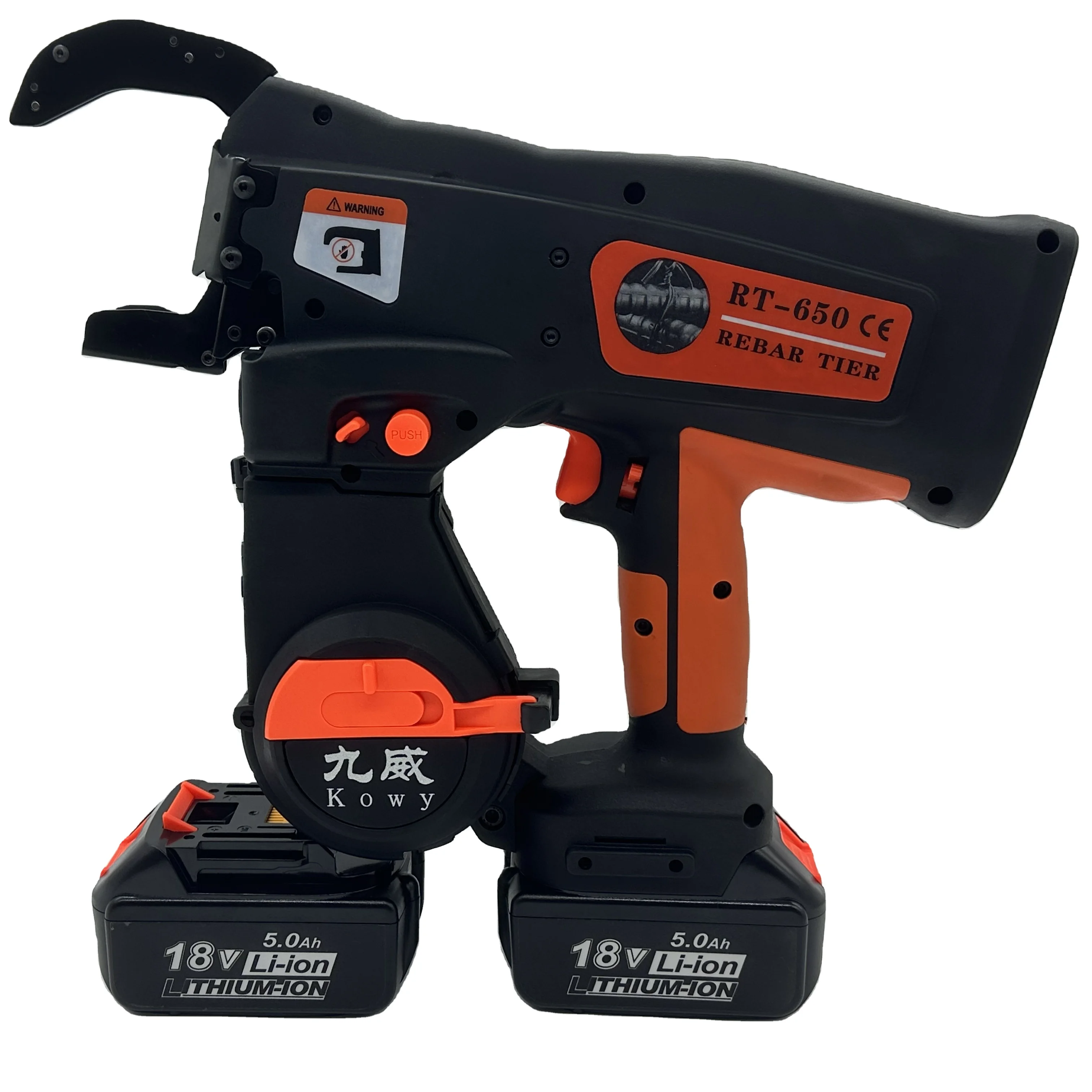
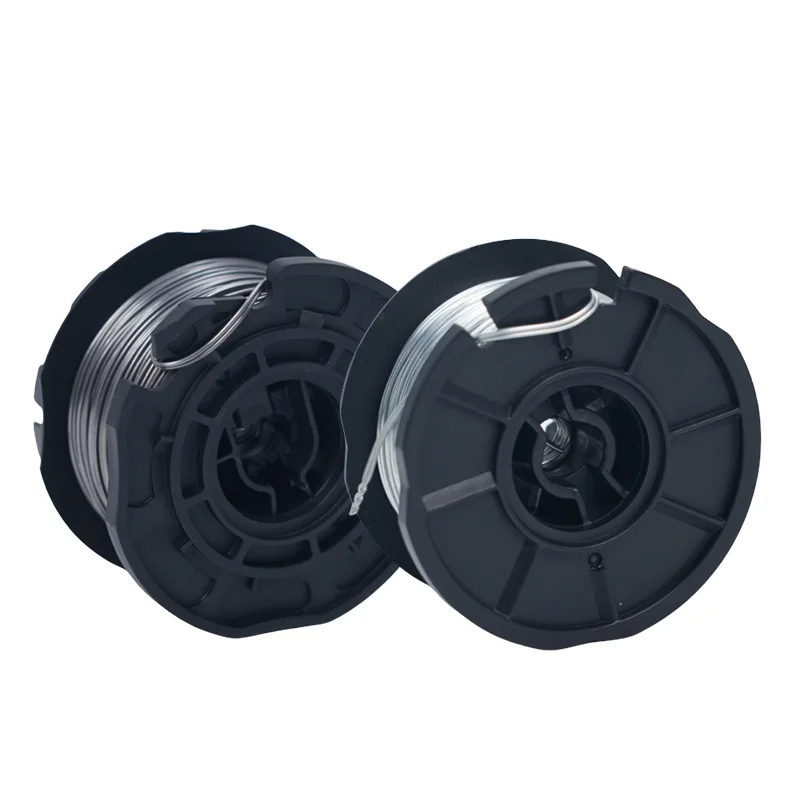
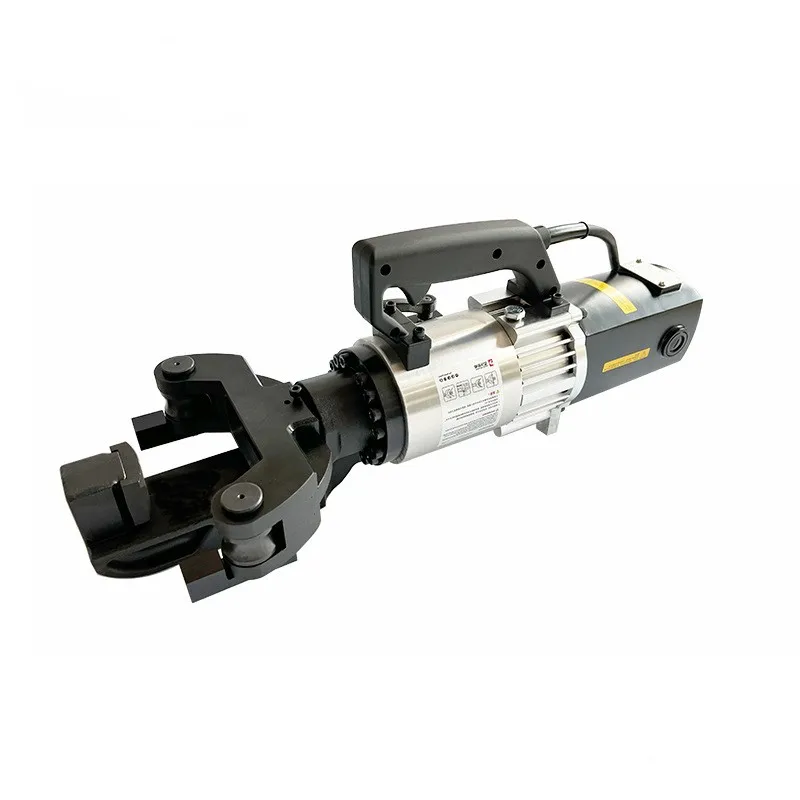
Rebar binding is an essential process in construction that involves securing reinforcing bars (rebars) together to form a stable framework for concrete structures. For purchasing managers and construction contractors, understanding key aspects of rebar binding equipment is critical for ensuring project efficiency and structural integrity. This article aims to provide vital insights into sourcing high-quality rebar binding machines, addressing common installation issues, and exploring the material advantages of our renowned rebar tying machines.
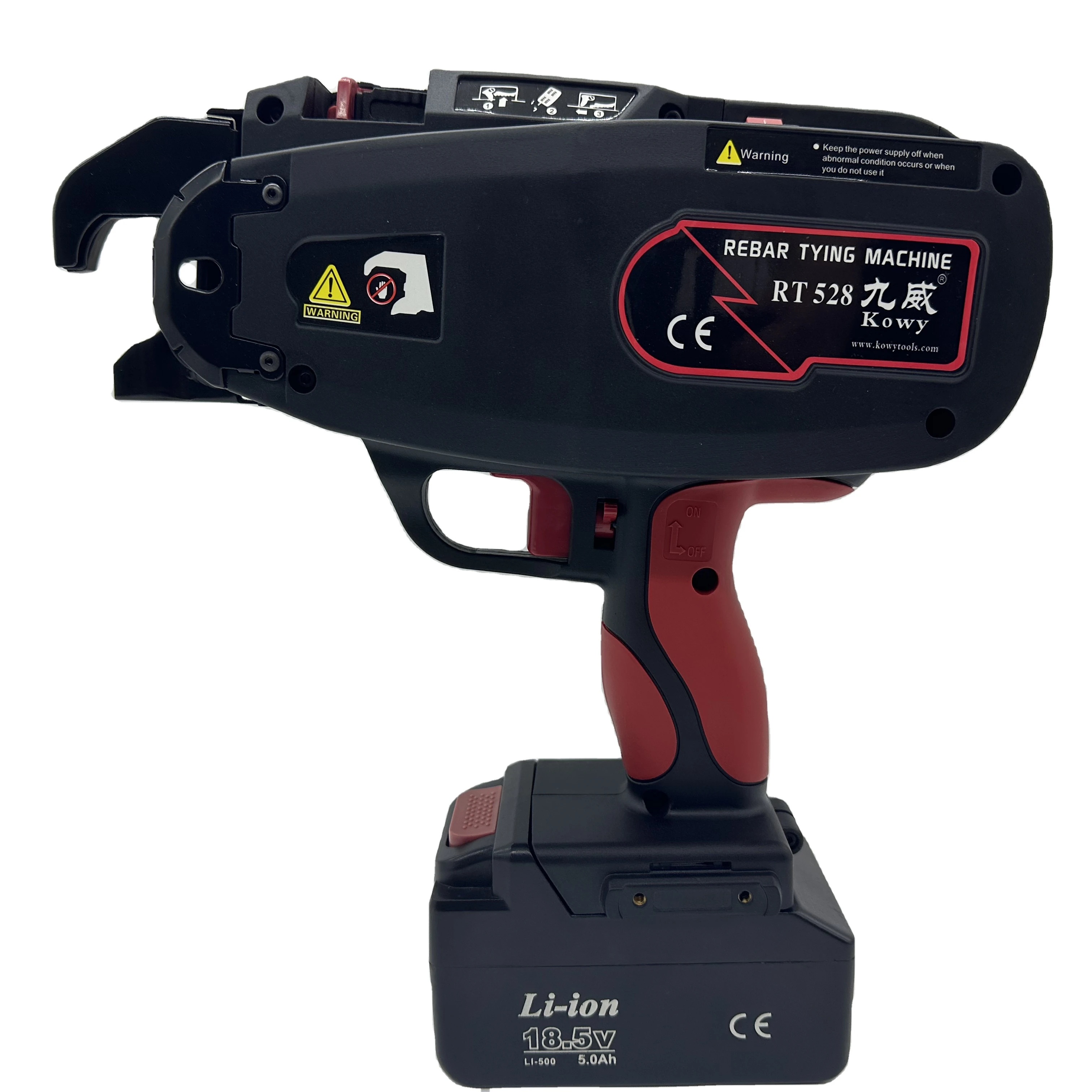
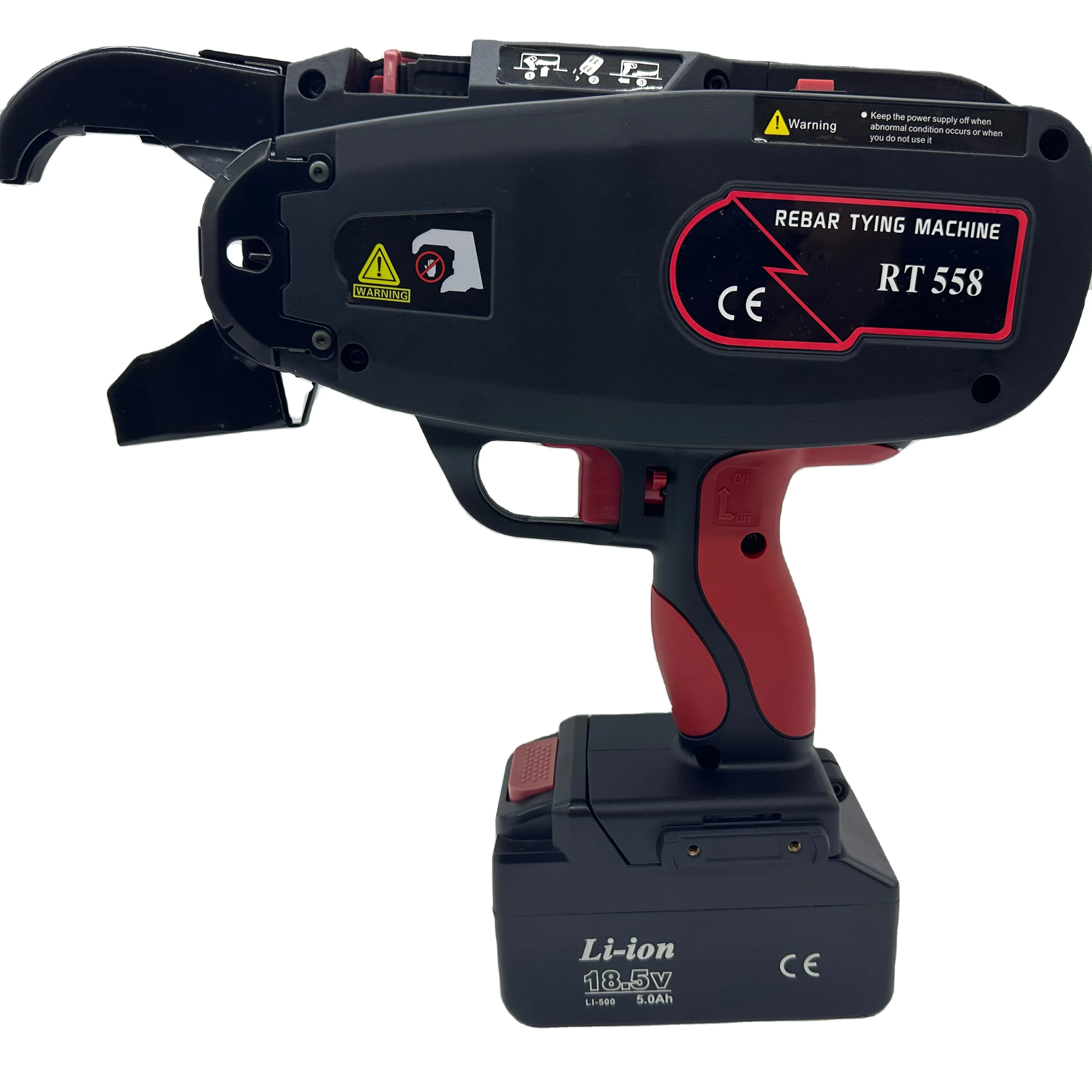
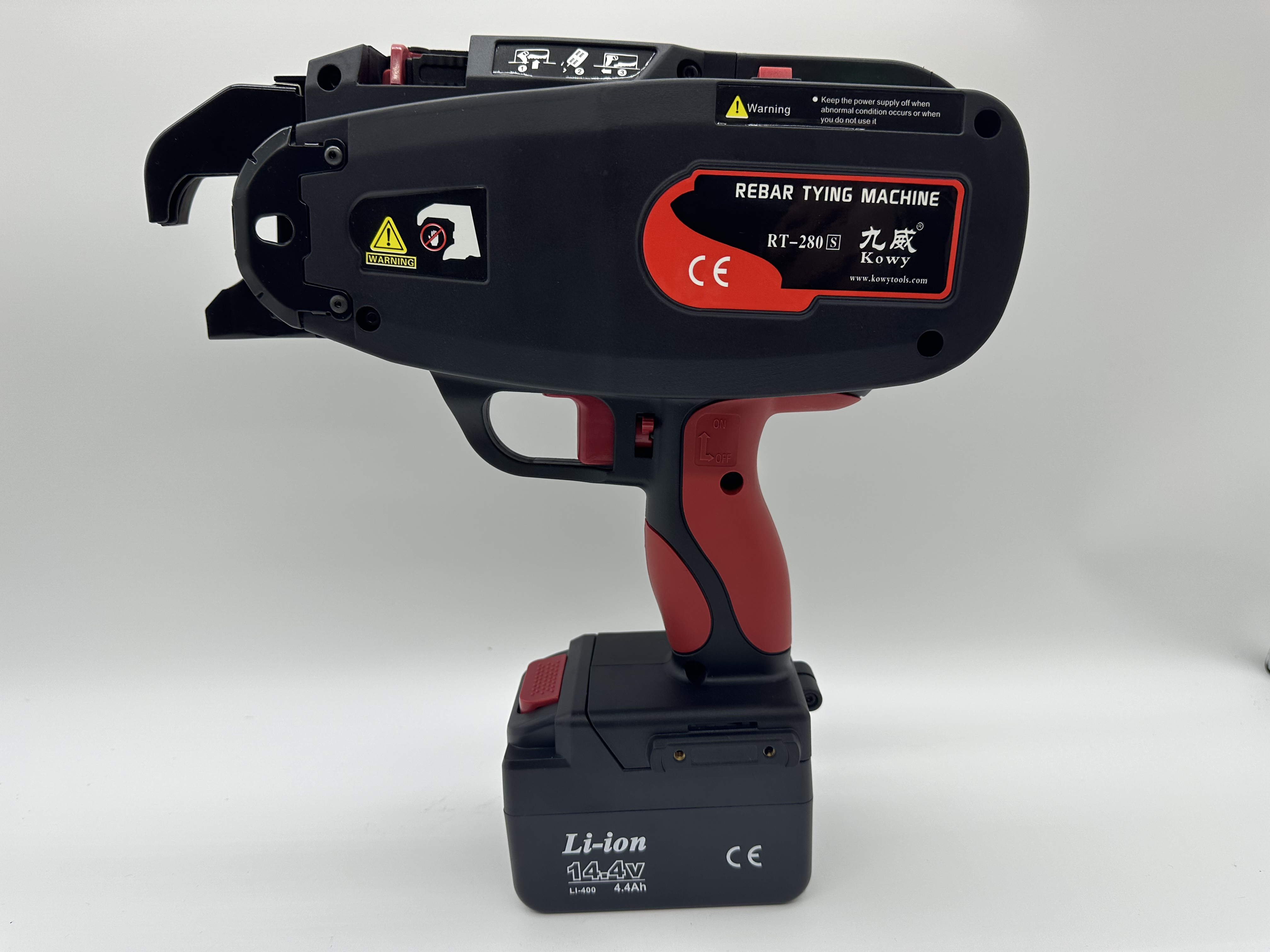
How to Source Reliable Rebar Binding Suppliers
Finding trustworthy rebar binding suppliers is crucial for ensuring the quality and reliability of your equipment. Here are steps to effectively source suppliers:
Research and Reviews: Conduct thorough research to identify potential suppliers. Look for reviews and testimonials from other clients in the construction industry to gauge their reliability and product quality.
Certifications and Compliance: Verify that suppliers hold relevant certifications, such as ISO or CE, which indicate adherence to quality standards in manufacturing processes.
Factory Visits: If possible, arrange visits to suppliers’ manufacturing facilities. This allows you to assess their production capabilities, quality control processes, and overall operational standards.
Request Samples: Before placing bulk orders, request samples of the rebar binding machines. This enables you to evaluate performance and suitability under actual working conditions.
Assess After-Sales Support: Reliable suppliers should provide robust after-sales support, including maintenance services, spare parts availability, and technical assistance.
By following these steps, buyers can build long-term partnerships with reputable suppliers, ensuring consistent quality and performance in their rebar binding operations.