Key Specifications for Steel & Wire Products

All Categories

Steel & wire

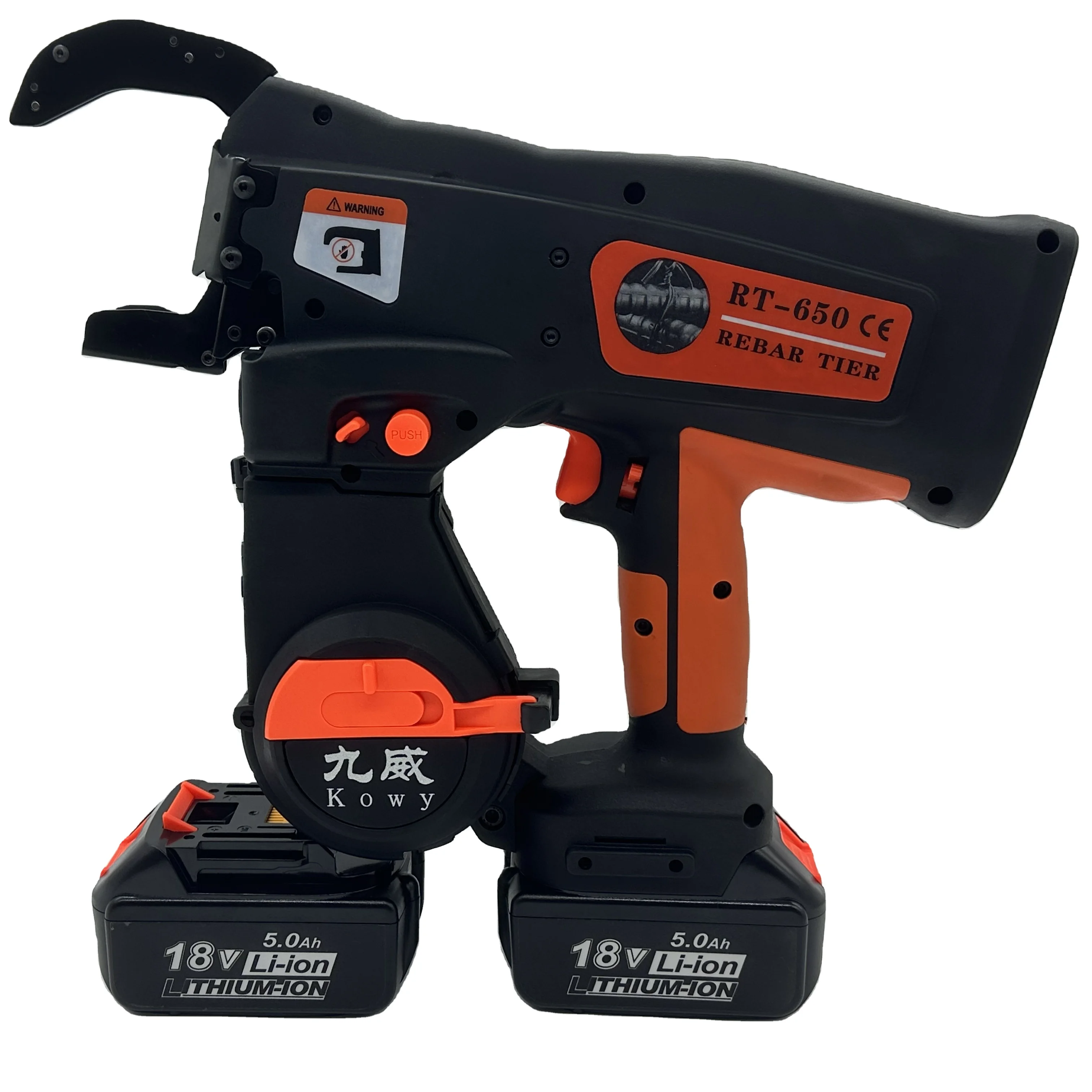
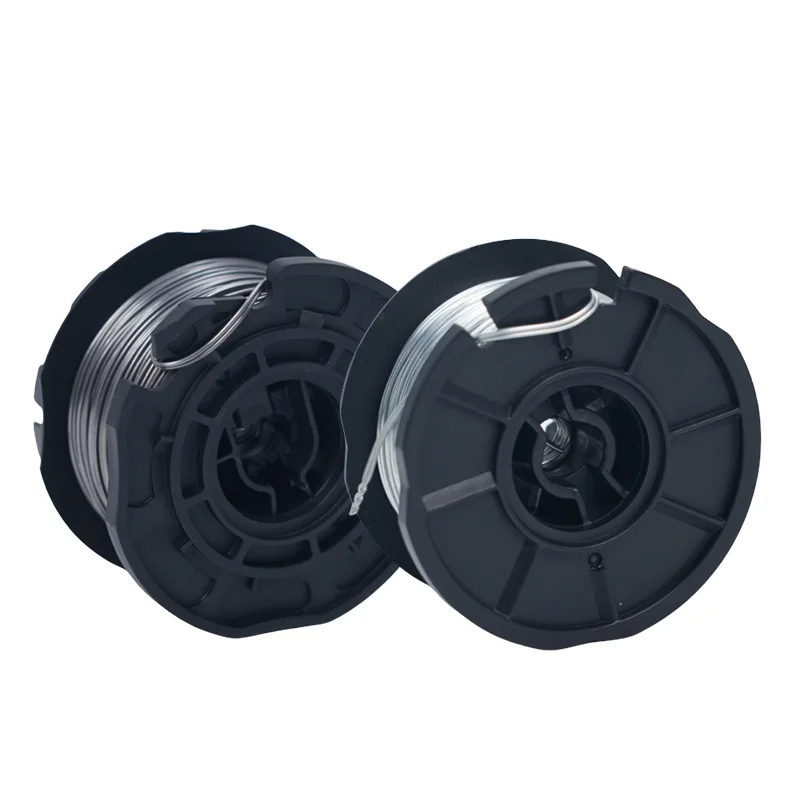
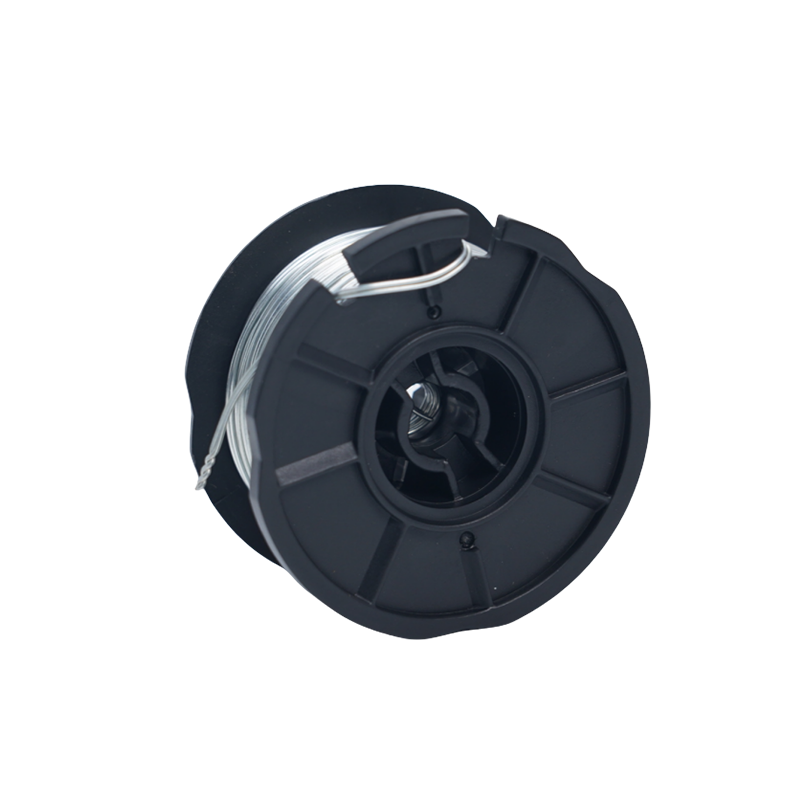
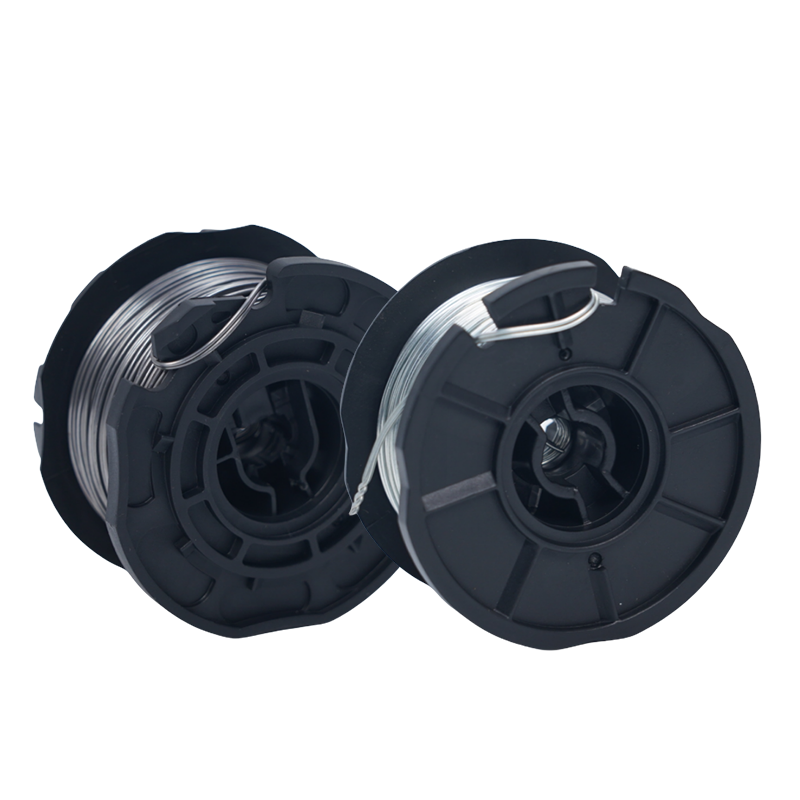
In the manufacturing and construction industries, steel and wire products play a crucial role in various applications, from reinforcing concrete structures to providing mechanical support. Understanding the intricacies of these materials is essential for purchasing managers, engineers, and product managers who are tasked with sourcing reliable and effective solutions. This article will help you navigate the key specifications, steel and wire products features, and critical factors to consider when ordering Kowy low carbon steel wire, ensuring that you make informed decisions for your projects.
Our Products

What to Look for in Steel & Wire Products

What to Look for in Steel & Wire Products

When evaluating steel and wire products, consider the following factors to ensure you select the right materials: 

Supplier Reputation: A well-established manufacturer with a history of producing high-quality steel and wire products can provide assurance of reliability. Look for customer reviews, case studies, and partnerships to gauge their credibility. 

Quality Control Processes: Inquire about the manufacturer's quality control procedures. Robust testing and inspection protocols during production can prevent defects and ensure that the steel and wire products meet your specifications. 

Customization Options: Depending on your project, you may require customized solutions. Check if the supplier offers flexibility in terms of dimensions, coatings, or material grades. 

Production Capacity: Understanding the supplier's production capabilities is vital, especially for bulk orders. Ensure they can meet your quantity requirements within your lead time. 

Technical Support: A knowledgeable supplier should offer technical support to help you with steel and wire products selection and troubleshooting issues that may arise during installation or use.
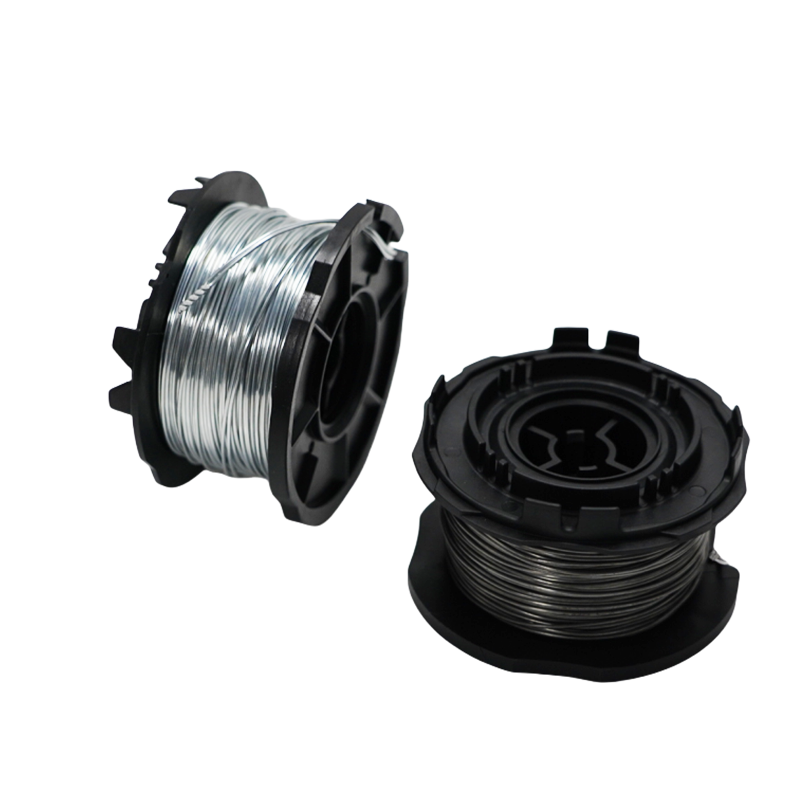
Where to Find Reliable Wholesale Steel & Wire Distributors

Where to Find Reliable Wholesale Steel & Wire Distributors

Sourcing steel and wire products from reliable wholesale distributors can significantly impact your project's success. Here are some tips for finding trustworthy distributors: 

Industry Associations: Joining or consulting with industry associations can provide access to reputable distributors who are members of established networks. These associations often have directories or resources to help locate quality suppliers. 

Trade Shows and Expos: Attending industry trade shows is an excellent way to meet suppliers face-to-face. You can evaluate their offerings, ask questions, and gauge their expertise directly. 

Online Marketplaces: Many distributors list their products on B2B e-commerce platforms. Ensure to check their ratings, reviews, and product details thoroughly before making a decision. 

Referrals and Recommendations: Seek recommendations from colleagues or industry peers who have experience with particular distributors. Personal referrals can lead you to reliable suppliers. 

Local Suppliers: Depending on your location, local distributors may offer quicker lead times and reduced shipping costs. Research local suppliers who specialize in steel and wire products. 

Cost Factors to Consider for Bulk Steel & Wire Purchases

Cost Factors to Consider for Bulk Steel & Wire Purchases

Understanding the cost factors associated with bulk Kowy steel and wire purchases is crucial for budget planning. Here are some primary considerations: 

Material Costs: Prices can fluctuate based on the global steel market, influenced by supply and demand dynamics. Be aware of current market prices and negotiate accordingly. 

Order Quantity: Bulk purchasing typically results in lower per-unit costs. Ensure you understand the minimum order quantities (MOQ) set by suppliers, as larger orders may yield significant savings. 

Shipping and Handling Fees: Factor in shipping costs, as these can vary widely based on the distance from the supplier and the weight of the shipment. Ensure you get a detailed quote that includes delivery charges. 

Payment Terms: Review the payment terms offered by the supplier. Flexible payment options, such as net payment terms, can help manage cash flow more effectively. 

Custom Duties and Taxes: If importing, consider customs duties and taxes, which can impact the total landed cost. Ensure to verify these costs ahead of time to avoid budget overruns. 

Installation Guidelines for Efficient Use of Steel & Wire

Proper installation is critical to maximize the performance of steel and wire products. Here are essential guidelines to follow: 

Surface Preparation: Ensure that surfaces are clean and free from debris or rust before installation. This step is vital for ensuring optimal adhesion and performance of coatings. 

Correct Tools and Equipment: Use appropriate tools for cutting, bending, and securing steel and wire products. Using the wrong tools can lead to damage or subpar installation quality. 

Follow Manufacturer Instructions: Always adhere to the manufacturer's installation guidelines. They provide specific recommendations tailored to the steel and wire products, which can prevent common installation errors. 

Testing and Verification: After installation, conduct load tests or inspections to verify that the installation meets safety and performance standards. This step can help identify potential issues before they escalate. 

Regular Maintenance: Implement a routine maintenance schedule to inspect the integrity of the installed steel and wire products. Regular checks can help identify wear and tear, ensuring long-term functionality. 

By understanding these essential aspects of steel binding wire, you can make informed decisions that align with your project requirements and ensure successful outcomes. Whether you are sourcing materials for construction or manufacturing applications, being well-prepared will enhance your purchasing process and project execution.

Key Specifications to Consider When Ordering Steel & Wire

When ordering Kowy steel and wire products, the specifications you choose will significantly impact their performance and suitability for your application. Here are several key specifications to consider: 

Material Composition: Different grades of steel offer varying levels of strength, corrosion resistance, and ductility. Common materials include carbon steel, stainless steel, and alloy steel. Each has distinct properties that affect its performance under specific conditions. 

Diameter and Thickness: The diameter of wire or thickness of steel bars is critical, particularly in structural applications. For instance, a thicker rebar provides greater tensile strength, which is vital in load-bearing scenarios. Ensure the dimensions meet your project requirements. 

Coating and Treatment: Many steel products undergo surface treatments, such as galvanization or coatings, to enhance corrosion resistance. Understanding the environmental conditions your steel and wire products will face can guide your selection process. 

Tensile Strength and Yield Strength: These metrics define how much load the steel can carry before deformation occurs. It's crucial to select products with tensile and yield strengths appropriate for your specific application to avoid structural failure. 

Standards and Certifications: Verify that the steel rebar tie wire products meet relevant industry standards such as ASTM, ISO, or EN certifications. These certifications ensure that the steel and wire products have undergone rigorous testing and adhere to safety guidelines.

Our Blog Posts

Double Stranded Wire for Rebar: Ideal Projects and Applications

18

Mar

Double Stranded Wire for Rebar: Ideal Projects and Applications

Double stranded wire is a neat kind of wire used in construction, especially for rebar. Rebar mean reinforcing bar, which are steel bars to strength concrete like in buildings and bridges. The double stranded wire made by two stra...
View More
Binding Wire Techniques to Ensure Secure Rebar Connections​

10

Nov

Binding Wire Techniques to Ensure Secure Rebar Connections​

How To Make Sure Your Rebar Connections Are Strong Structure and safety have long been the priority of building construction. One of those things is ensuring the correct installation of reinforcing bars, or rebar. These rods are applied to const...
View More
The Future of Rebar Tying Machines: Emerging Technologies​

10

Nov

The Future of Rebar Tying Machines: Emerging Technologies​

Transforming Construction Using Sophisticated Rebar Tying MachinesAlthough the construction industry isn't known for rapid change, new technologies are transforming that sector. Leading the way in this change is Kowy, a giant mechanical equipment man...
View More
18.5V RT558 Kowy Rebar tying machine: Humid Environment Performance

10

Nov

18.5V RT558 Kowy Rebar tying machine: Humid Environment Performance

18.5V RT558 Kowy Rebar tying machine great work in humid working condition A Recommend For: Working In Humid Situation 18.5V RT558 Kowy Rebar tying machine is a great performer as far as working in humid condition is concern. This top-of-the-lin...
View More

Get a Free Quote

Our representative will contact you soon.
Email
Mobile/WhatsApp
Name
Company Name
Message
0/1000

Get a Free Quote

Our representative will contact you soon.
Email
Mobile/WhatsApp
Name
Company Name
Message
0/1000
Newsletter
Please Leave A Message With Us