EN
EN

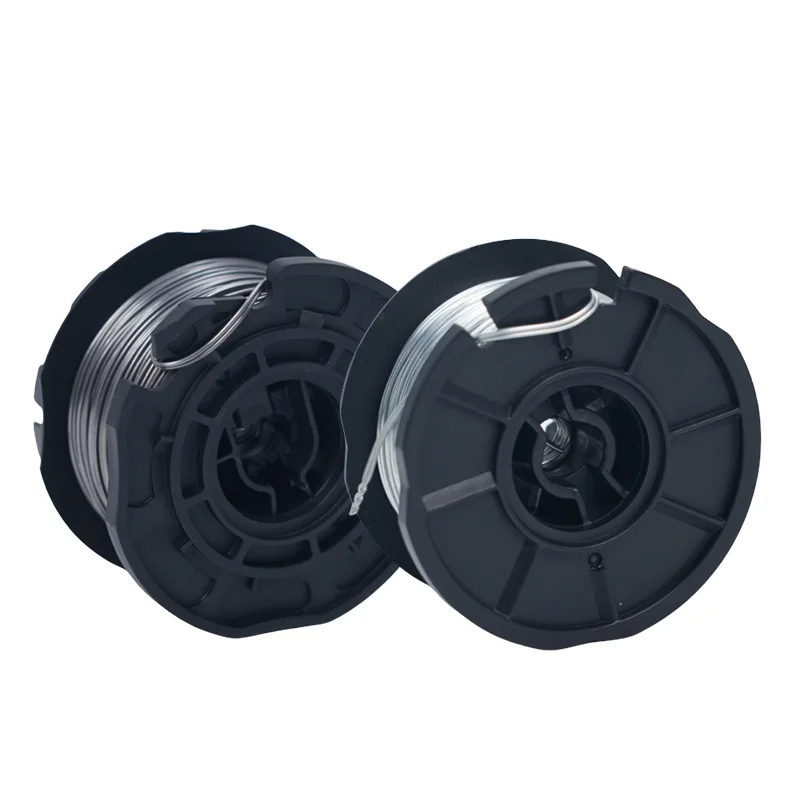
Steel wire is a critical component in the construction industry, widely used for reinforcing concrete, fabricating machinery, and various applications requiring strength and flexibility. For B2B buyers, concerns often revolve around quality, performance, cost, and compliance with industry standards. This article will guide you in evaluating steel wire for wholesale purchases, addressing key specifications and challenges, and explaining how low carbon steel wire meets diverse construction needs.
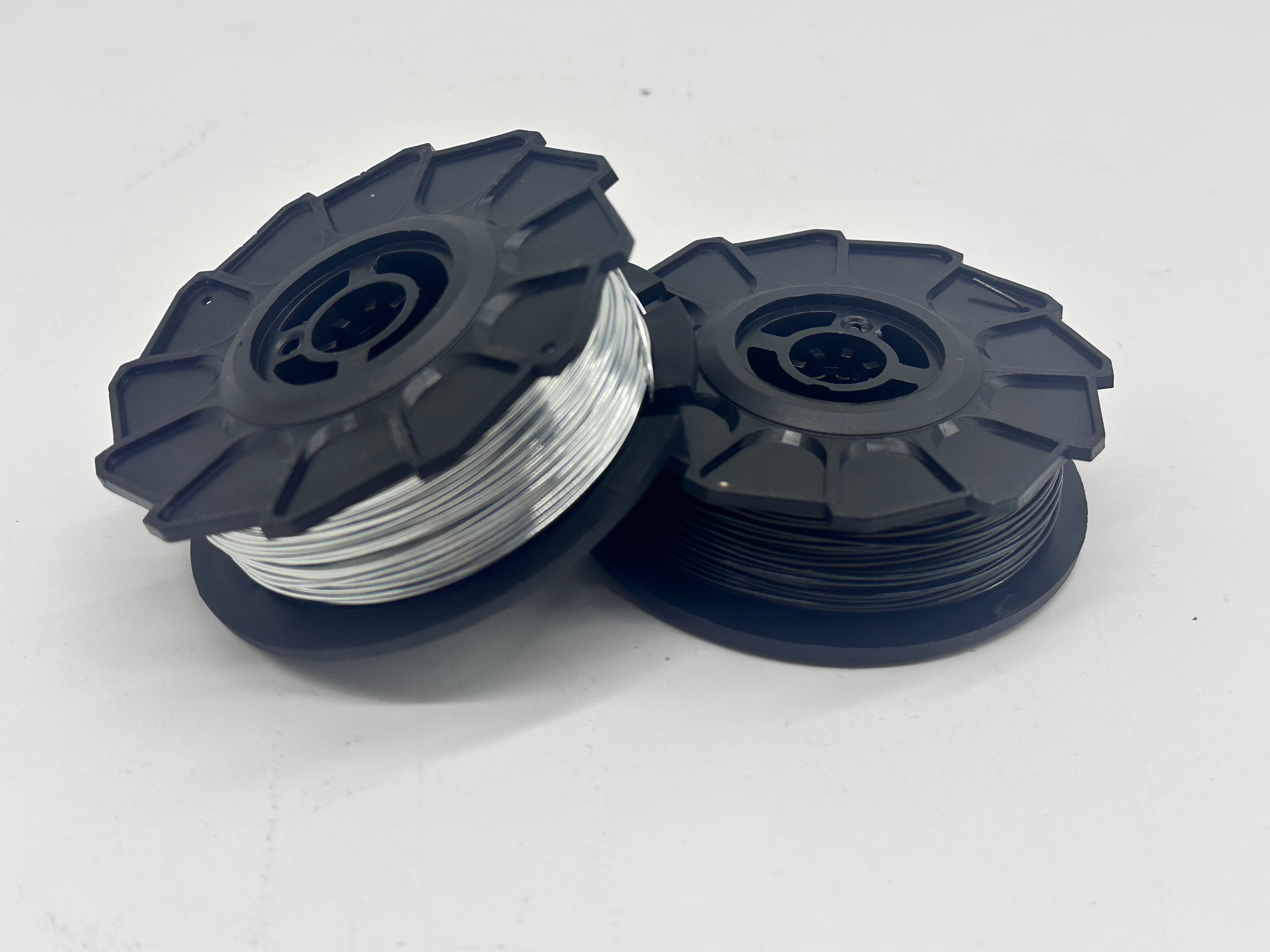
Cost, Quality, and Performance
The relationship between cost, quality, and performance is essential for making informed purchasing decisions. While it may be tempting to choose the lowest-priced option, consider the total cost of ownership, which includes:
Initial Purchase Price: This is the most apparent factor, but it should not be the only consideration.
Performance Reliability: Higher-quality steel wire often results in fewer failures and a reduced need for replacements, which can save money in the long run.
Lead Time and Availability: Ensure that the supplier can meet your delivery timelines. Delays in receiving quality materials can impact project schedules and costs.
Customization Options: If your project has specific requirements, be prepared to discuss customization capabilities with your supplier, which may affect pricing and lead times.
Understanding these factors will help you make a more informed decision that balances cost and quality.