EN
EN

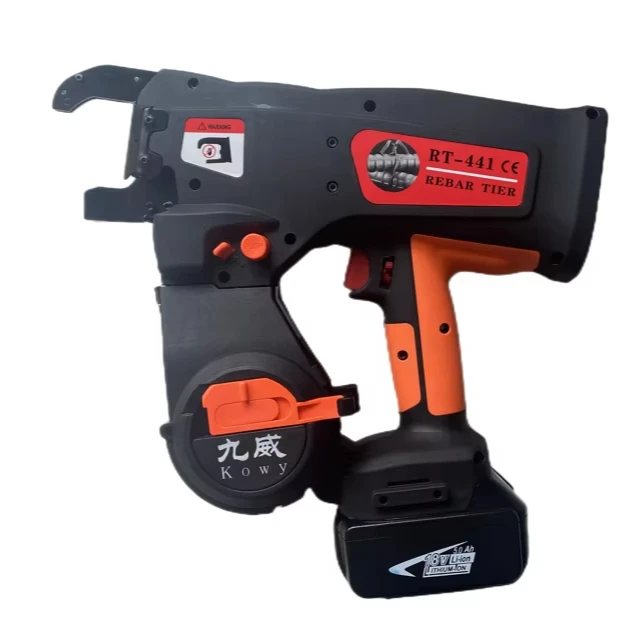
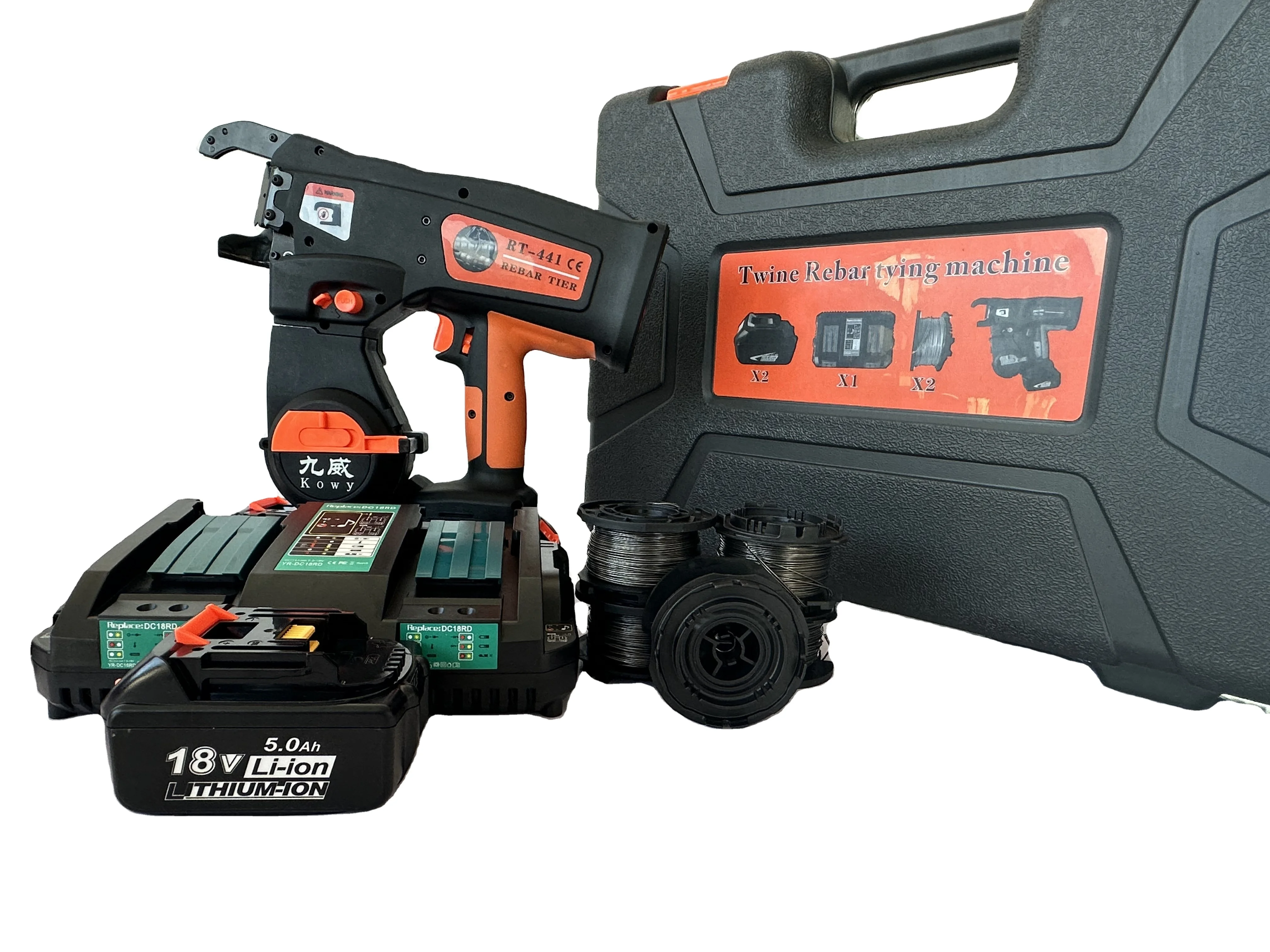
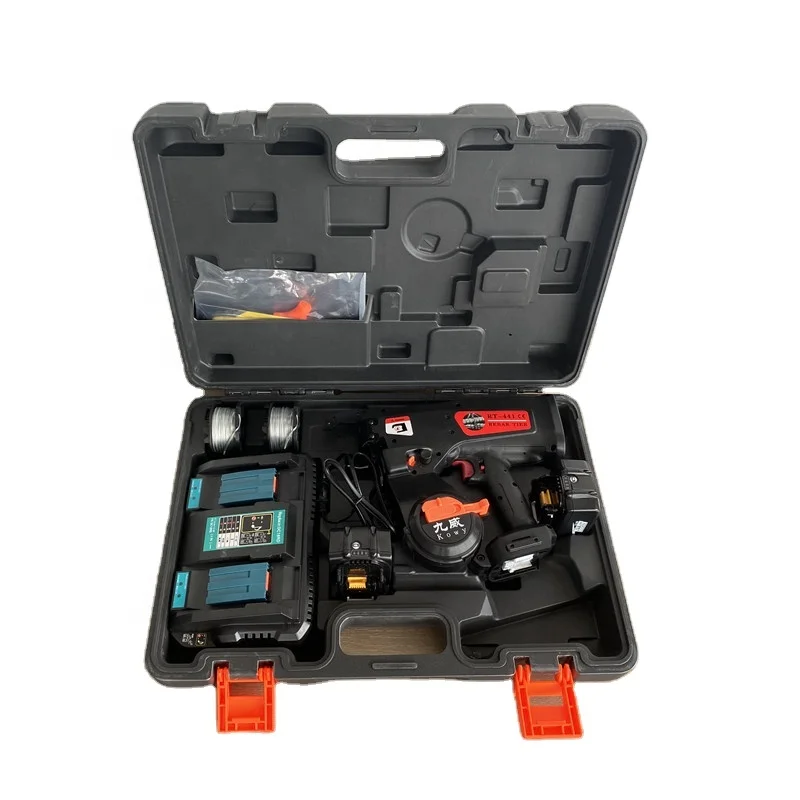
Kowy, suosituin automaattinen kannettava RT-441 kaksinkertainen lanka sidontaväline teräsvahvistusten sidontakone työkalu ase
- Yleiskatsaus
- Suositellut tuotteet
Tuotteen yleiskatsaus
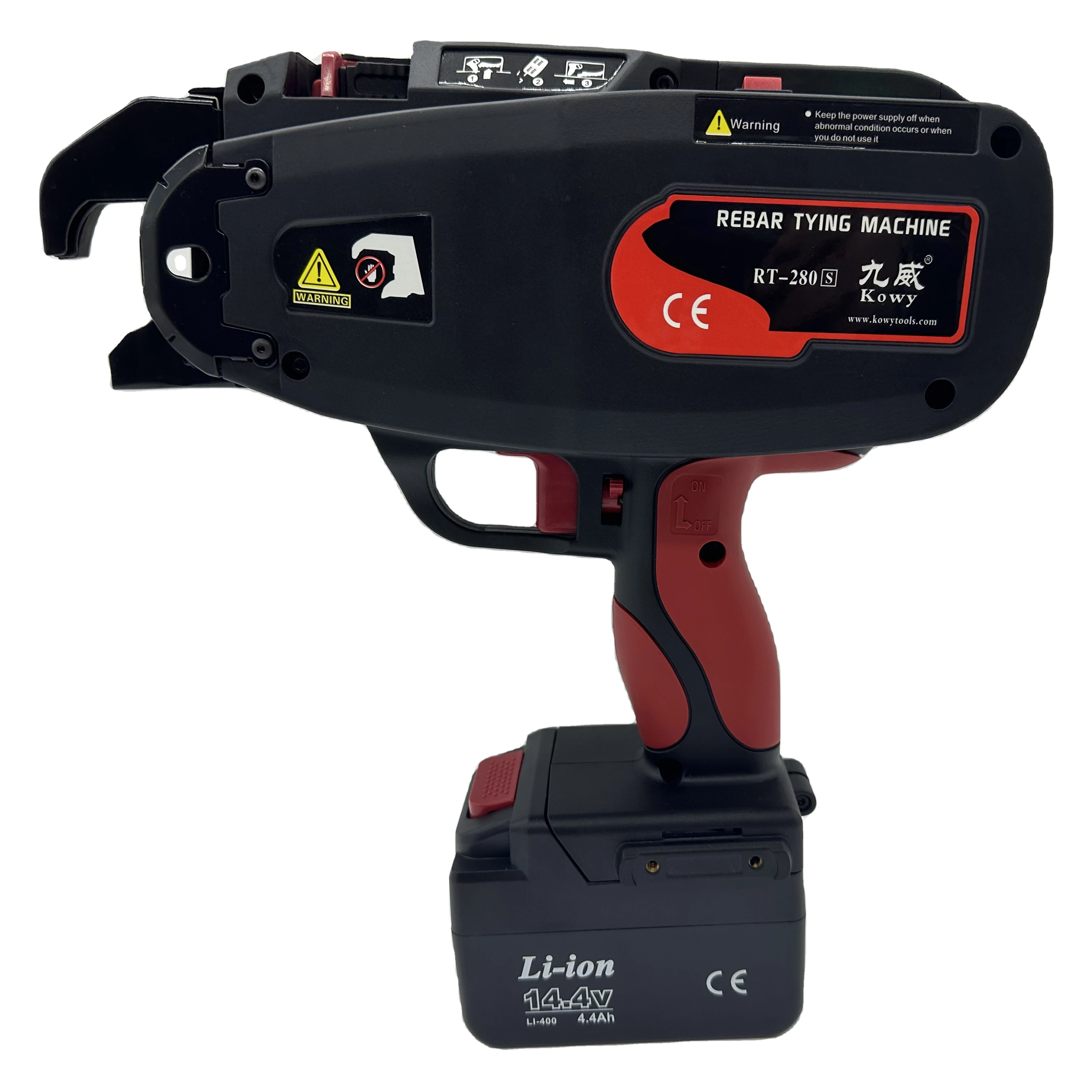
Kowy RT-441 on yksi tunnetuimmista kannettavista raudoitustankoja sitovista koneista Kowyn tuotevalikoimassa, ja sitä luotetaan rakennustyömailla yli 80 maassa sen nopeuden, luotettavuuden ja helppokäyttöisyyden ansiosta. Tämä automaattinen kaksilankainen sitokonemalli on suunniteltu korvaamaan manuaaliset sitoksesta käytettävät pinset työmailla, joissa raudoituksen tiukkuus on korkea ja työvoiman tehokkuus ratkaisevan tärkeää. Käyttäen yhtä aikaa kahta 0,8 mm:n paksuista lankaa RT-441 muodostaa vahvan, kierretyn solmun risteävien teräsputkien ympärille murto-osassa ajasta, joka kuluu manuaalisessa solmimisessa. Keveän pistoolinkaltaisen käsipidin muoto pitää käyttäjän ranneasennon neutraalissa asemassa toistuvassa työssä, mikä vähentää väsymystä pitkien työvuorojen aikana ja alentaa raudoitustyöntekijöiden keskuudessa yleisten toistuvien rasitusvammojen riskiä. Työkalu toimii irrotettavalla 14,4 V:n litiumioniakulla, joten käyttäjät voivat pitää varakäyttöisiä akkuja ladattuina ja vaihtaa niitä ilman, että heidän tarvitsee palata keskitettyyn laturiasemaan.
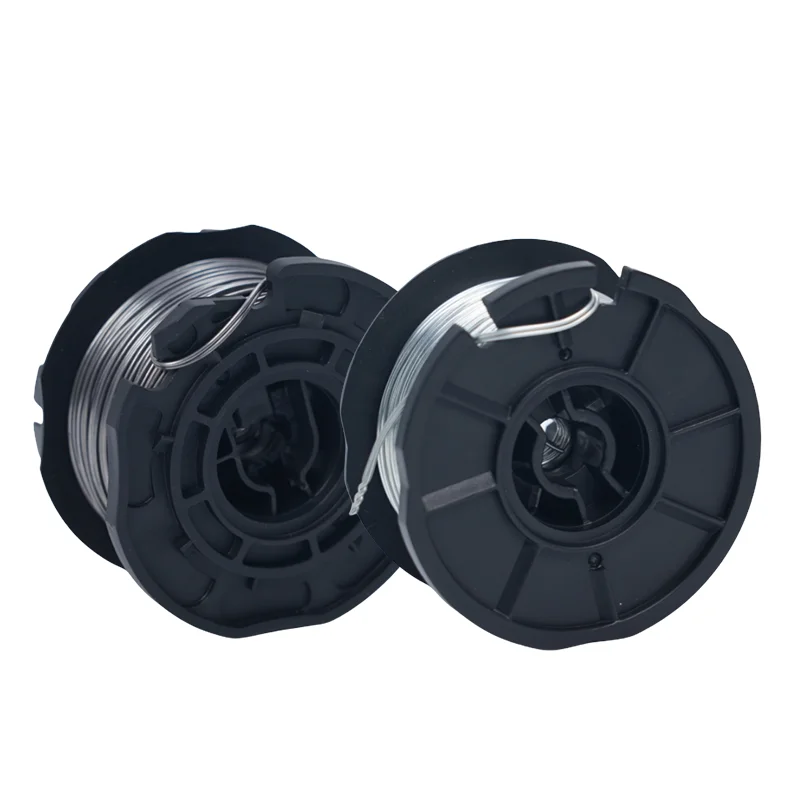
RT-441 on suunniteltu sekä vaakasuorien että pystysuorien sidontatehtävien suorittamiseen ja se käsittelee yleisesti levyissä, pilareissa, palkkeissa ja seinämuoteissa käytettyjä raudoitustankoyhdistelmiä. Kaksoislangan mekanismi on erityisen hyödyllinen, kun raudoitusverkossa käytetään suurempihalkaisijaisia tankoja tai kun suunnittelijat määrittelevät kaksinkertaiset sidonnat kriittisissä liitoksissa. Langansyöttöjärjestelmässä käytetään korkean tarkkuuden moottoria ja kestävää syöttökanavaa, joka hyväksyy standardin TW897A -tai yhteensopivat kelat, mikä antaa urakoitsijalle joustavuutta kulutusmateriaalien hankinnassa. Kowy testaa jokaisen RT-441:n toiminnallisesti ennen lähettämistä, mukaan lukien sidontavoiman tarkistus, akkujärjestelmän varmistus ja turvalähtimen kalibrointi. Tuloksena on kannettava raudoitustankojen sidontalaitteisto, joka saapuu valmiina työmaakäyttöön ja jatkaa tehokasta toimintaa myös suurimittaisissa betoniraudoitusprojekteissa.
Avainominaisuudet
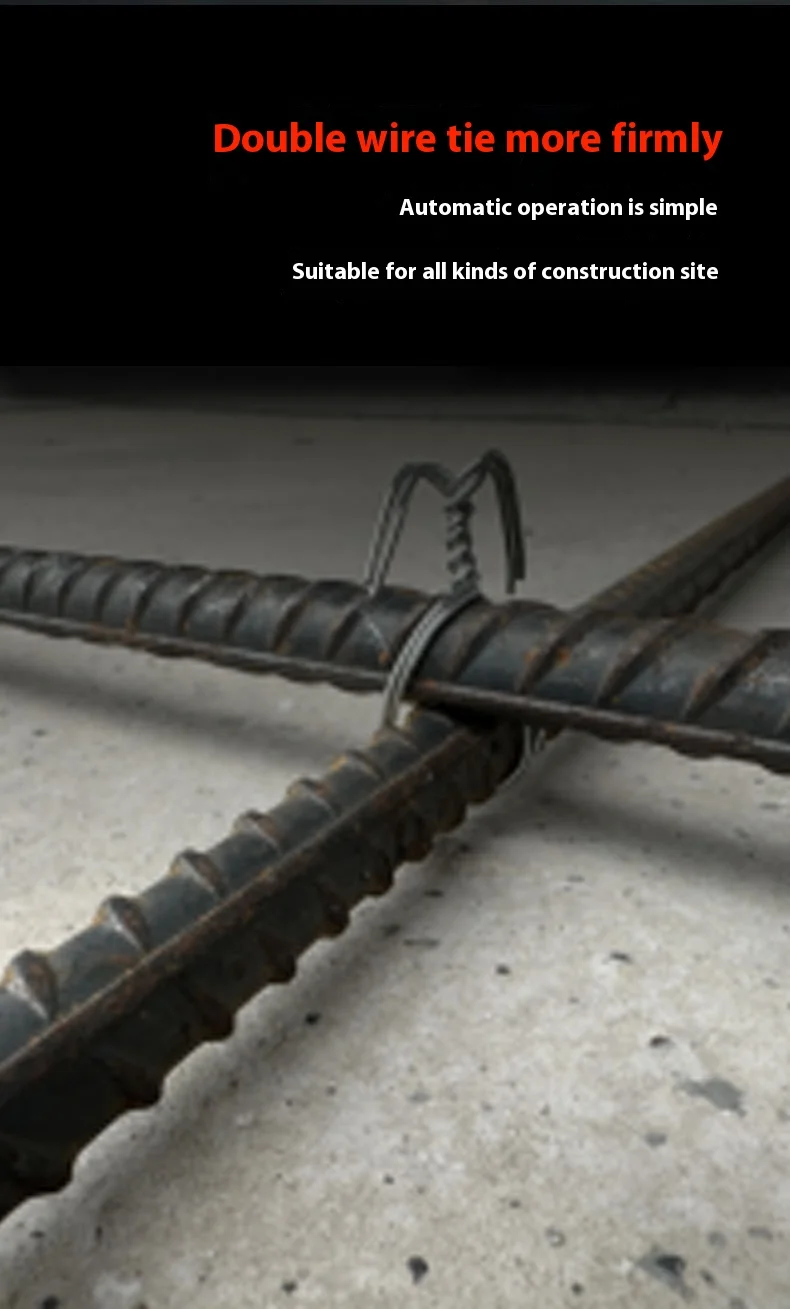
Kaksoislangan sidonta vahvempien liitosten aikaansaamiseksi
RT-441:n kaksilankainen järjestelmä kuljettaa kaksi lankaa raudoituksen risteyskohdan ympäri ja kiertää ne yhteen yhdessä kierroksessa. Tämä menetelmä tuottaa suuremman kosketuspinnan ja turvallisemman solmun kuin yksilankaiset sitomislaitteet, mikä on erityisen hyödyllistä, kun sidotaan raskaita raudoituspaketteja tai kun raudoitus liikkuu betonin kaatamisen aikana. Koska molemmat langat jännitetään ja kierretään samanaikaisesti, sitonta on tasapainoinen ja sen löyseneminen värähtelyn tai tahattoman iskun vaikutuksesta on vähäisempi. Työntekijöiden johtajat, jotka ovat siirtyneet manuaalisesta sitomisesta RT-441:een, raportoivat mittattavan vähentymän löysistä solmuista ja uudelleentyöstöstä betonin kaatamisen jälkeen.
Nopea kierrosaika korkean tuottavuuden työmaille
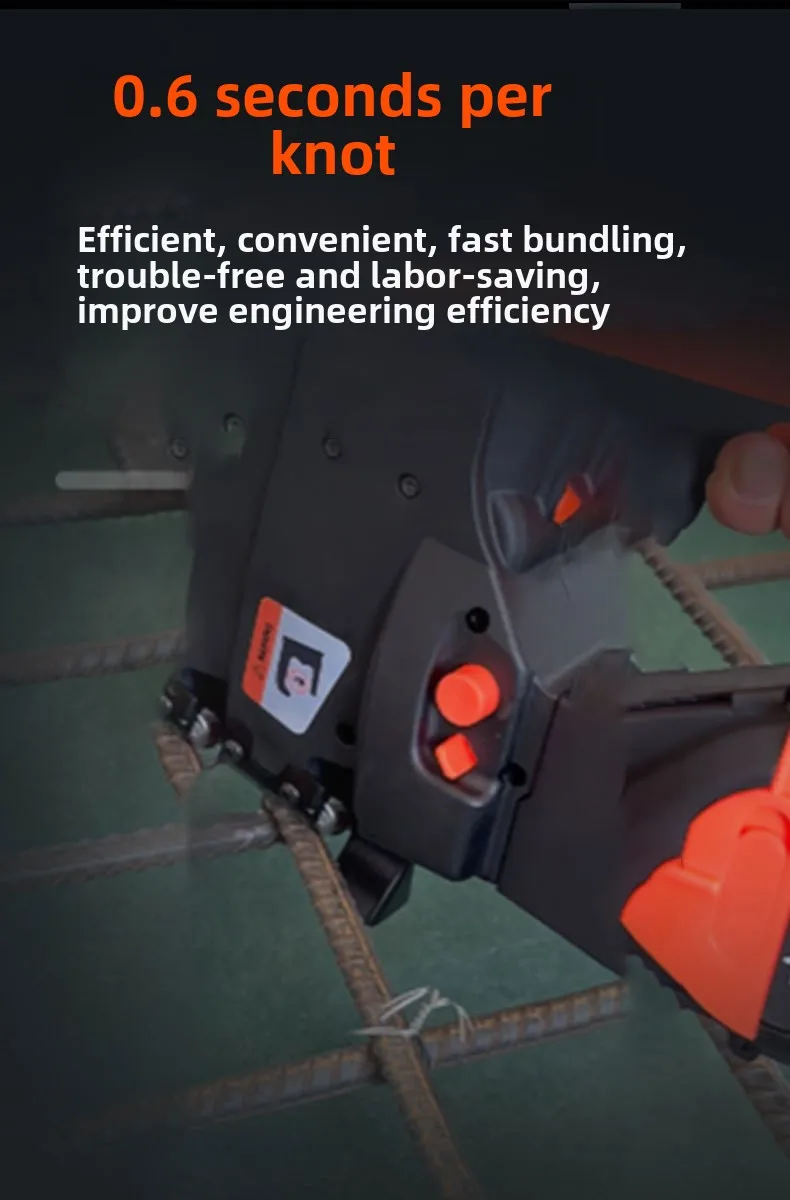
Tyypillisellä sitomisyksiköllä noin 0,8–1,0 sekuntia solmua kohden RT-441-mallinen laite mahdollistaa yhden käyttäjän suorittavan satoja solmuja tunnissa normaalissa käytössä. Tämä nopeus on huomattavasti suurempi kuin 6–10 sekuntia, joka tyypillisesti kuluu taitavalle työntekijälle, joka solmii raudoituksen käsikäyttöisillä pinnoilla ja langalla. Suurilla alustoilla, perustuksissa ja esivalmistettujen betonilevyjen valmistuspaikoilla aikasäästö kertyy nopeasti, mikä mahdollistaa tiukkojen betonivalugoiden noudattamisen ja ylityöajan vähentämisen. Tasainen syklausaika parantaa myös suunnittelua, koska työnjohtajat voivat arvioida sitomistulosta tarkemmin kuin manuaalisella työllä.
Hälytön moottori ja pitkäikäinen akkujärjestelmä
RT-441-mallinen laite on varustettu korkean hyötysuhteen harjattomalla moottorilla, joka vähentää sisäistä kitkaa ja lämmön muodostumista verrattuna perinteisiin harjallisiin moottoreihin. Moottorin ohjain säätää vääntömomenttia reaaliajassa terästangon risteyskohdan vastuksesta riippuen, mikä estää ylikuormitusta ja pidentää voiman siirto-osien käyttöikää. Laite on varustettu 14,4 V litium-ion-akulla, jolla voidaan tehdä useita tuhansia sidontoja yhdellä latauksella riippuen terästangon koosta ja kunkin sidon langankierrosten määrästä. Akun hallintajärjestelmä suojelee akkua liialliselta purkautumiselta, liialliselta lataamiselta ja ylikuumenemiselta, mikä auttaa säilyttämään solujen kapasiteetin satojen latauskierrosten ajan.
Ergonominen pistoolikäppäsuunnittelu
Työkalun runko on muotoiltu siten, että paino jakautuu etukäsivarteen eikä keskity rannealueelle, mikä on tärkeää toistuvassa yläpuolisessa ja vaakasuorassa raudoituksen sidonnassa. Liipaisin ja turvalukitus on sijoitettu yksikätiselle käytölle, jolloin käyttäjä voi pitää raudoitusta toisella kädellään tai ohjata vinossa olevaa tankoa paikoilleen. Sisäänrakennettu LED-työvalo valaisee sidontakohtaa, kun työskennellään heikossa valaistuksessa olevissa muottialueissa, pilareissa tai aamulla tehtävissä betonivaluissa. Tasapainoinen rakenne vähentää tarvetta epämukaville asennoille ja auttaa ylläpitämään tuottavuutta koko työvuoron ajan.
Kestävä syöttömekanismi ja solmujen vähentäminen
Lankasyöttöpolku on rakennettu kovettuneista teräksisistä ohjaimista ja tarkkuussyöttöpyörästä, joka pitää langassa tasaisen paineen ilman, että se muuttaa polymeeripäällysteen muotoa. Langan sisäänmenokulma on optimoitu sileäksi kelan purkautumiseksi, ja langanohjaimen suu on muotoiltu poistamaan betonin hiukkaset ja ruosteen irtoamispalat, jotka voivat päästä työmaakohtaisista olosuhteista. Selkeä tarkastusikkuna magasiinin kannessa mahdollistaa käyttäjän valvomaan jäljellä olevan langan määrää ja havaitsemaan virheellisen syöttösuunnan ennen kuin se aiheuttaa tukoksen. Nämä yksityiskohdat vähentävät suunnittelematonta pysäytystä ja pitävät sitoutumisrytmin tasaisena nopeissa työmaatehtävissä.
Tekniset tiedot
| Parametrit | Arvo |
|---|---|
| Malli | RT-441 |
| Sitomiskyky | 8–45 mm raudoituksen halkaisija |
| Johdon halkaisija | 0,8 mm × 2 kierrosta |
| Sitomiskierto | Noin 0,8–1,0 s/sitominen |
| Akun jännite | 14,4 V litiumioni |
| Akun kapasiteetti | 4,0 Ah tyypillisesti |
| Moottorityyppi | Harjaton DC-moottori |
| Solmuja varauksella | 2 000–3 000 sitomista |
| Työkalun paino | 1,3 kg akun kanssa |
| Langanpuolityyppi | TW897A / yhteensopiva |
| Toimintatemperatuuri | -10 °C:sta 50 °C:een |
| SERTIFIKAATIT | CE, RoHS |
Sovellusskenaariot
Rakennustasot ja perustukset
Levypohjaisissa ja laattaperustuksissa RT-441 kiihdyttää ala- ja yläraudoituksen sidontaa. Kaksilangainen sitous pitää yläverkon turvallisesti paikoillaan tukevissa tukipisteissä, mikä vähentää raudoituksen siirtymisen riskiä betonin kaatamisen aikana. Työntekijät voivat toimia tiimeissä, joissa yksi henkilö asettaa raudoitukset ja toinen seuraa sitä sidontapiipulla, jolloin betonikaatossa noudatetaan aikataulua.
Pylväiden ja palkkien raudoitus
Pystysuorissa pylväissä ja palkkeissa tarvitaan tiukkaa sidontaväliä, jotta puristusraudoitus pysyy oikeassa paikassa ja tarjoaa riittävän puristusvarmuuden. RT-441:n kompakti kärki mahdollistaa työkalun käytön kapeissa kulmissa ja tiukkojen puristusraudoitusten joukossa, johon käsin tehtävä sidonta on vaikeaa. Nopea syklausaika auttaa suorittamaan tiukan sidontakuvion ennen kuin muottiryhmä saapuu sulkeakseen sivut.
Siltojen päällysteet ja infrastruktuuri
Silta-alueet usein varustetaan tiukalla raudoitusverkolla, jossa käytetään suurihalkaisijaisia terästankojä. RT-441:n kaksilankakyky on erinomaisesti soveltuva näihin risteyskohtiin ja tarjoaa lisäkiinnitysvoimaa verkoille, joilla työntekijät kävelevät betonin kaatamisen aikana. Kannettava akkujärjestelmä poistaa tarpeen sähköjohtoista kostean betonin läheisyydessä ja liikkuvan kaluston ympärillä.
Valmisbetonitehtaat ja kallistusbetonitehtaat
Valmisbetonitehtaissa vaaditaan toistettavia tuotantosyklejä. RT-441 tarjoaa yhtenäisen sidontalaatutason ensimmäisestä paneelista viimeiseen, mikä vähentää vaihtelua, joka johtuu eri taitotasoisten työntekijöiden riippuvuudesta. Sen nopea sidontanopeus tukee valmisbetonilevypenkkojen ja kallistusseinäpaneelien korkeaa kiertonopeutta, jossa viivästys yhdessä työasemassa vaikuttaa koko tuotantolinjaan.
Miksi valita Kowy
Kowy on rakentanut maineensa vuodesta 2003 lähtien yhdistämällä käytännön kenttätiedon tarkkaan valmistukseen 3 000 neliömetrin laitoksessa, jossa työskentelee yli 50 henkilöä. Jokainen RT-441 -laite kokoonnetaan osista, jotka tarkistetaan mitallisesti ja materiaalin tasaisuuden osalta ennen niiden pääsyä tuotantolinjalle. Kowyn omistamia kansallisia patentteja liittyy teräsbetonin sitomismekanismeihin, ja nämä innovaatiot näkyvät kaksilankajärjestelmässä, syöttökanavan geometriassa ja akun hallintalogiikassa. Kowyn tuotteiden CE- ja RoHS-todistukset vahvistavat, että RT-441 täyttää turvallisuus- ja ympäristövaatimukset, jotka ovat edellytyksenä viennille Eurooppaan, Pohjois-Amerikkaan ja muualle.
Asiakkaat valitsevat RT-441 -työkalun ei ainoastaan sen teknisten ominaisuuksien vuoksi, vaan myös sen tukiekosysteemin takia. Kowy toimittaa vaihto-osia, langankeloja, akkuja ja laturteja, jotka kaikki ovat sovitettu tarkasti tähän työkaluun, mikä estää yhteensopivuusongelmat, joita voi syntyä kolmannen osapuolen lisävarusteiden käytöstä. Kowyn läsnäolo yli 80 maassa, mukaan lukien Saksa, Yhdysvallat ja Espanja, mahdollistaa sen ymmärtää kansainvälisten rakennustarvikkeiden toimitusketjujen dokumentointi-, pakkaus- ja logistiikkavaatimukset. Kun projektin onnistuminen riippuu ajoissa suoritettavasta raudoituksen sitomisesta, RT-441 -työkalu, jota tukee Kowyn tuki, tarjoaa luotettavan ratkaisun.
Usein kysytyt kysymykset
K: Mikä on ero RT-441:n ja yksinkertaisen langan raudoituksen sitomislaitteen välillä?
A: RT-441-liittimen kierrossa syöttää ja kiertää kaksi lankaa, mikä tuottaa suuremman ja vahvemman solmun kuin yksilangallinen liitin. Tämä on erityisen hyödyllistä raskaiden teräsbetonipalkkien risteyskohdissa, suurihalkaisuisessa raudoituksessa ja yhteyksissä, joissa insinöörit vaativat lisäkiinnitysvoimaa. Yksilangallinen versio on kevyempi ja saattaa olla suositeltavampi pienemmissä ruudoissa, mutta RT-441:n kaksilangainen rakenne tarjoaa lisävarmuutta vaativissa sovelluksissa.
K: Kuinka monta kiinnitystä RT-441 voi tehdä yhdellä akun varauksella?
A: Tyypillisissä työkohdeolosuhteissa standardiakulla (4,0 Ah) RT-441 voi tehdä noin 2 000–3 000 kiinnitystä yhdellä varauksella. Tarkka määrä riippuu teräsbetonipalkin halkaisijasta, langan kierrosten lukumäärästä kussakin kiinnityksessä, ympäröivästä lämpötilasta ja akun iästä. Suurten työvuorojen aikana yhden tai kahden vara-akun käyttö latauslaitteessa varmistaa jatkuvan toiminnan.
K: Onko RT-441 sopiva pystysuorien pilarien kiinnittämiseen?
A: Kyllä, pistoolikahvan muotoilu ja tasapainoinen painonjakautuminen tekevät työkalusta käytännöllisen pysty- ja yläpuolisessa työssä. Turvalaipan ja yksikätisellä käytöllä varustettu työkalu mahdollistaa työntekijän stabiloida raudoitusrakennetta vapaalla kädellään samalla kun hän sitoo työkalulla. Erittäin korkeissa pilareissa työntekijöiden on käytettävä asianmukaisia kaatumissuojia ja noudatettava rakennustyömaan turvallisuusmenettelyjä.
K: Mitä huoltoa RT-441 vaatii?
A: Päivittäiseen huoltoon kuuluu betonipölyn poistaminen syöttökanavasta, langanohjaimen suun kulumisen tarkistaminen sekä akun liittimien puhtauden tarkistaminen. Syöttöpyörä on puhdistettava ajoittaisesti estääkseen langan päällysteen jäämisen kertymisen. Kowy suosittelee säilyttämään työkalun kuivassa kotelossa ja lataavan akkua ohjeiden mukaisesti parantaakseen akun käyttöikää. Varaosat ovat saatavilla Kowyn myyntikanavien kautta.
K: Voiko RT-441 käyttää mitä tahansa merkkiä 0,8 mm langan kelaa?
A: RT-441 on suunniteltu standardimuotoisille TW897A- tai vastaaville kelalle. Vaikka monet 0,8 mm:n keloista saattavat fyysisesti sopia, niin keskiosan halkaisijan, langan jännityksen ja pinnoituksen laadun mitallisista vaihteluista voi aiheutua ruokintaluotettavuuden ja solmujen lujuuden heikkenemistä. Kowy suosittelee Kowyn polyhiilikerroksella varustettujen langankelojen käyttöä optimaalisen suorituskyvyn ja takuukattauksen säilyttämiseksi.
Yhteystiedot
Yritys: Ninghai Sanyuan Electric Tools Co., Ltd.
Merkki: Kowy
Sähköposti: [email protected]
Puh: +86-13116634519
Osoite: Goudong 2. tie 3, Xuepo kehitysalue, Ninghai, Ningbo, Kiina
Tekijästä: Kowy Engineering Team tuottaa yli 20 vuoden kokemusta raudoituslaitteiden suunnittelussa ja valmistuksessa. Tiimi toimii yrityksen Ningbon tuotantolaitoksessa ja vastaa tuotekehityksestä alkaen alkuperäisestä CAD-mallinnuksesta saakka täyskuormitustestausten läpi, mikä varmistaa, että jokainen kone täyttää rakennusalan ammattilaisten vaatimat suorituskyvyn standardit yli 80 maassa.