EN
EN


- Overview
- Recommended Products
Product Overview
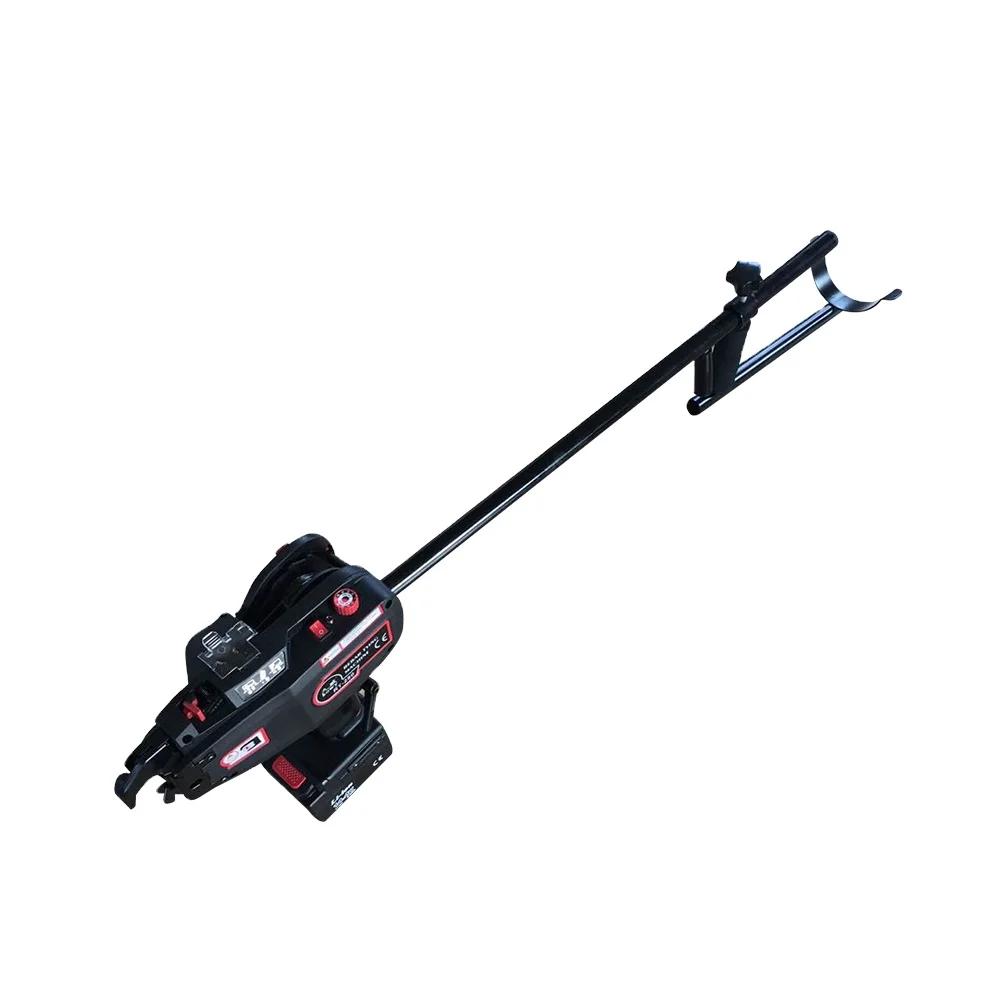
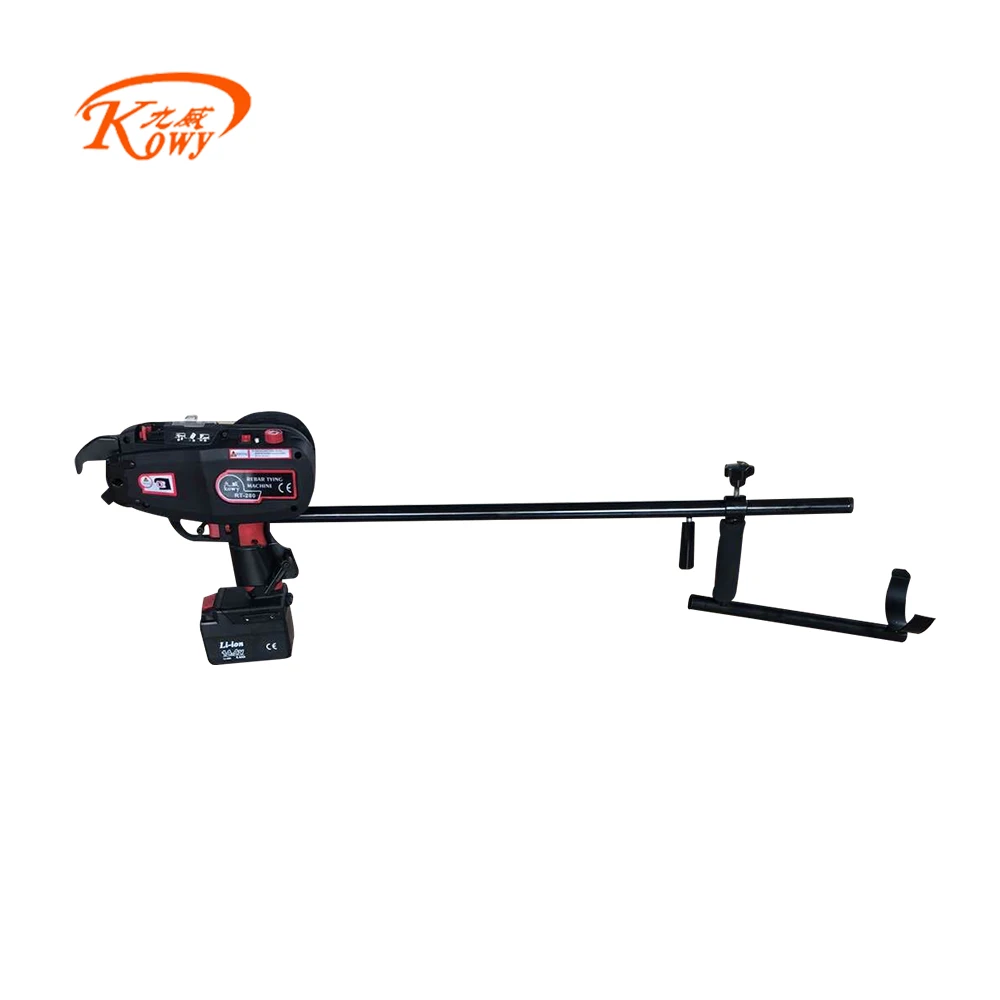
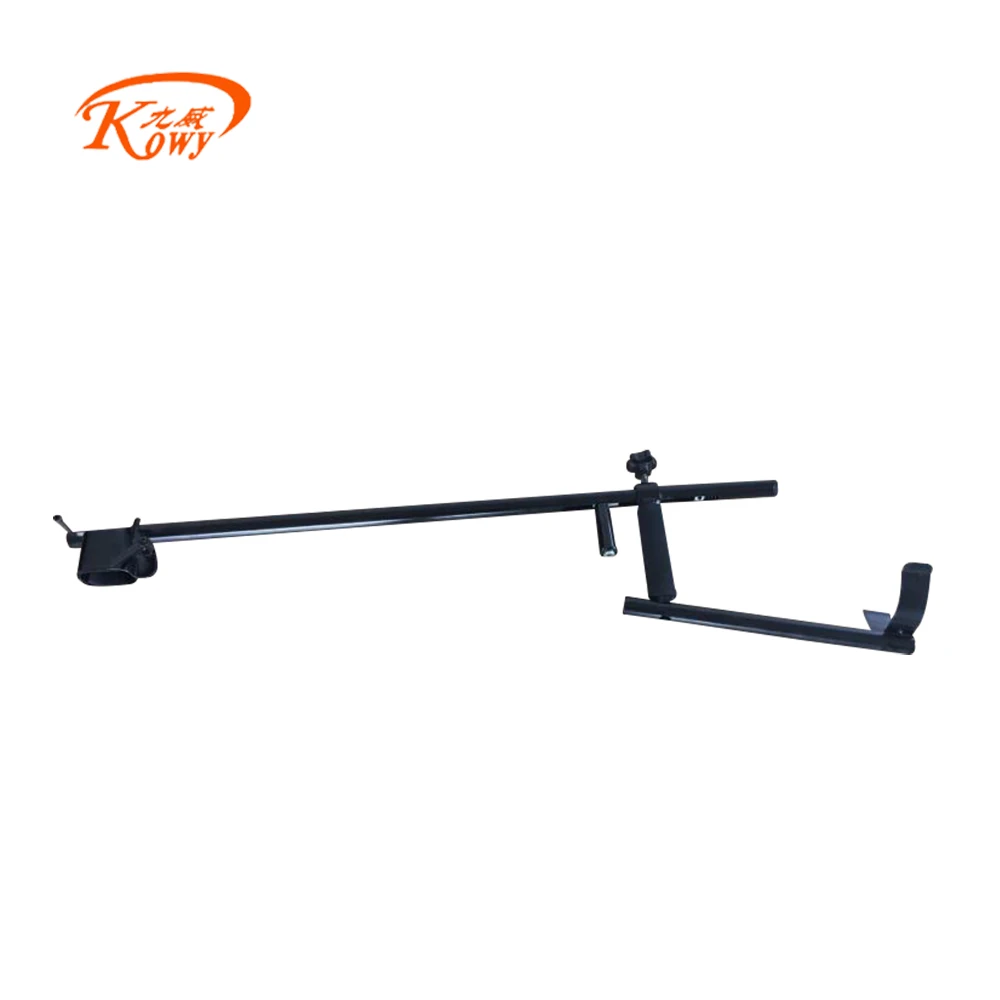
The Kowy rebar tying machine metal extension rod is a purpose-engineered accessory designed to extend the operational reach of Kowy RT-series cordless rebar tying machines, enabling operators to tie reinforcement bars at floor level and overhead positions without bending, stooping, or working from elevated platforms. The extension rod addresses one of the most significant ergonomic challenges in rebar tying operations: the physical strain associated with maintaining a bent or squatting posture while operating the tying machine at ground-level reinforcement mats, and the difficulty of reaching overhead reinforcement in elevated slab and bridge deck applications. By attaching the extension rod to the tying machine, the operator can stand upright while performing tying operations at floor level, or reach overhead reinforcement from floor level without a ladder or scaffold platform, significantly reducing fatigue and improving productivity during large-scale tying tasks.
The extension rod is manufactured from high-strength steel tubing with a corrosion-resistant zinc-plated finish, providing the structural rigidity needed to support the weight of the tying machine while maintaining a total weight that does not compromise operator maneuverability. The rod features a quick-connect mounting interface that attaches securely to the tying machine handle in seconds without tools, and a trigger actuation mechanism at the operator end of the rod that mechanically transmits the trigger pull to the tying machine's activation switch. This remote trigger design allows the operator to control the tying machine's operation entirely from the handle end of the extension rod, eliminating the need to reach down to the machine to initiate each tie. The extension rod is compatible with the Kowy RT400, RT450, and RT450s rebar tying machine models, and is supplied with a universal mounting adapter that accommodates minor variations in handle geometry across different production generations of these models.
Key Features
1. High-Strength Steel Construction
The extension rod is fabricated from Q345 high-strength structural steel tubing with a wall thickness of 2.5 millimeters, providing the bending stiffness required to support the approximately 2-kilogram weight of a loaded rebar tying machine at the extended reach distance without excessive deflection or vibration during operation. The steel tubing is seamless-drawn to eliminate weld seams along the rod length, ensuring uniform strength distribution and a smooth surface finish that resists corrosion and facilitates cleaning. The zinc-plated surface treatment provides corrosion resistance suitable for outdoor construction site environments where the rod may be exposed to rain, concrete dust, and perspiration. The plating thickness is specified at a minimum of 8 micrometers, providing protection against red rust formation under normal construction site exposure conditions for the expected service life of the accessory.
2. Quick-Connect Mounting Interface
The mounting interface at the machine end of the extension rod features a spring-loaded quick-connect mechanism that allows the operator to attach or detach the rod from the tying machine in under five seconds without any tools. The mechanism consists of a precision-machined mounting collar that slides over the tying machine handle and locks into position with a spring-actuated detent pin that engages a corresponding hole in the handle. A quick-release tab on the collar allows the operator to disengage the detent pin and slide the rod off the handle with one hand. The mounting collar is designed to accommodate the handle geometry of the RT400, RT450, and RT450s models, with a universal adapter shim set included for handles with minor dimensional variations. Once attached, the connection is rigid and free of play, ensuring that the operator's trigger input at the rod handle is transmitted directly to the tying machine without lag or lost motion.
3. Remote Trigger Actuation System
The extension rod incorporates a mechanical trigger actuation system that allows the operator to activate the tying machine from the handle end of the rod, approximately 80 centimeters away from the machine itself. The system consists of a trigger lever at the operator handle that is connected to the tying machine's activation switch via a push-pull Bowden cable routed through the interior of the rod. When the operator squeezes the trigger lever, the cable transmits the motion to the machine's switch, initiating the tying cycle. The cable is pre-tensioned at the factory to eliminate slack, and an adjustment barrel at the operator handle allows for fine-tuning of cable tension if stretch occurs over extended use. The trigger lever is ergonomically contoured for comfortable one-handed operation and features a safety lock that prevents accidental activation during rod positioning between tie locations. This remote trigger system is a critical design feature that distinguishes the Kowy extension rod from simple handle extensions that require the operator to reach down to the machine for each tie.
4. Ergonomic Operator Handle
The operator end of the extension rod is fitted with a contoured handle designed for comfortable sustained operation during long tying sessions. The handle is overmolded with a non-slip thermoplastic rubber material that provides a secure grip even when the operator's hands are perspiring or wearing gloves, and the grip diameter is sized to accommodate the range of hand sizes typical among construction workers. The handle is angled relative to the rod axis to position the operator's wrist in a neutral posture during both floor-level and overhead tying operations, reducing the risk of repetitive strain injury. The trigger lever is positioned for natural finger reach without requiring the operator to reposition their grip on the handle, and the safety lock is accessible to the thumb without releasing the grip. An adjustable wrist strap is attached to the handle base as a backup to prevent the rod from falling if the operator loses grip during overhead operations.
5. Adjustable Length Configuration
The extension rod features a telescopic middle section that allows the overall length to be adjusted from a minimum of 70 centimeters to a maximum of 120 centimeters, accommodating different operator heights and varying work positions. The telescopic adjustment uses a twist-lock mechanism that secures the inner tube at the desired length with a quarter-turn of the locking collar, providing a rigid connection without wobble or slippage under load. Length adjustment can be performed on the fly without detaching the rod from the tying machine, allowing the operator to adapt the rod length as they move between floor-level tying and overhead tying tasks. The telescopic section is designed with sufficient overlap between the inner and outer tubes to maintain structural rigidity at all extension lengths, and the locking mechanism is rated to support the full weight of the tying machine without unintended retraction during operation.
Technical Specifications
| Parameter | Specification |
|---|---|
| Material | Q345 high-strength steel tubing, zinc-plated |
| Tube Wall Thickness | 2.5 mm |
| Adjustable Length Range | 70 cm to 120 cm |
| Total Weight | Approximately 1.2 kg |
| Surface Finish | Zinc plating, minimum 8 micrometers |
| Mounting Interface | Quick-connect spring-loaded detent, tool-free |
| Trigger System | Bowden cable remote actuation |
| Locking Mechanism | Twist-lock telescopic adjustment |
| Handle Material | Overmolded thermoplastic rubber |
| Compatible Models | Kowy RT400, RT450, RT450s |
| Included Accessories | Universal adapter shim set, wrist strap |
| Certifications | CE, RoHS |
| Warranty | 12 months from date of purchase |
Application Scenarios
Floor-Level Rebar Mat Tying
The most common application for the extension rod is floor-level rebar mat tying, where reinforcement bars are laid out on the ground or on formwork in a grid pattern and tied at every intersection to form the reinforcement mat for a concrete slab. Without the extension rod, the operator must squat, kneel, or bend at the waist to reach the tying machine to the intersection points, a posture that causes significant lower back strain and knee stress when maintained over the duration of a large slab pour. With the extension rod attached, the operator walks upright along the rebar grid, positioning the tying machine at each intersection from a standing position and activating the tie cycle via the remote trigger. This upright working posture dramatically reduces operator fatigue and allows sustained productivity throughout an extended shift, with field studies indicating that operators using the extension rod can maintain tying speeds of 40 to 50 ties per minute for longer periods than operators working without the rod.
Overhead Slab and Bridge Deck Tying
For elevated slab construction and bridge deck reinforcement, the extension rod enables operators to tie overhead reinforcement from floor level without the need for ladders, scaffolding, or elevated work platforms. The tying machine is attached to the rod and extended upward to reach the overhead reinforcement intersections, with the operator controlling the tying cycle from the rod handle at waist or shoulder height. This application is particularly valuable on bridge construction projects where the deck reinforcement is positioned above falsework or permanent formwork, and where setting up elevated access platforms for every tying location would be impractical and time-consuming. The adjustable length of the extension rod allows the operator to adapt the rod length to different overhead heights, and the remote trigger system eliminates the need for a second person to activate the tying machine while the first person holds it in position overhead.
Retaining Wall and Vertical Surface Tying
Reinforcement for retaining walls, basement walls, and other vertical concrete elements often requires tying at heights that are above comfortable reach but below the height that would justify a scaffold platform. The extension rod allows the operator to tie reinforcement at these intermediate heights from ground level, positioning the tying machine against the vertical rebar grid and activating the tie cycle without climbing to the tying location. This application is common in basement construction, where the wall reinforcement is assembled in place and tied at heights ranging from 1 to 3 meters above floor level. The extension rod also facilitates tying on sloped surfaces, such as the reinforcement for ramp slabs and inclined retaining walls, where maintaining balance while operating the tying machine directly would be challenging. The ability to tie from a stable stance on level ground improves both productivity and safety on these challenging work surfaces.
Trench and Excavation Reinforcement
In trench and excavation construction, reinforcement for trench footings, retaining walls, and pile caps is positioned within the excavation, often at depths that make direct access difficult or hazardous. The extension rod allows the operator to stand at the edge of the excavation and lower the tying machine to the reinforcement intersections within the trench, performing tying operations without entering the excavation. This application improves safety by eliminating the need for the operator to work within the excavation where cave-in hazards exist, and it improves productivity by eliminating the time required to enter and exit the excavation for each tying session. The adjustable rod length allows adaptation to different excavation depths, and the rigid construction of the rod provides the control needed to accurately position the tying machine at the intersection points from the extended distance.
Why Choose Kowy
The extension rod is a product of Kowy's focused engineering approach to rebar processing tool systems, where accessories are designed with the same attention to performance, durability, and operator ergonomics as the primary tools they support. Rather than treating the extension rod as a simple tube with a handle, Kowy's engineering team designed the accessory as an integrated extension of the tying machine system, incorporating the remote trigger mechanism, quick-connect interface, and telescopic adjustment as standard features that transform the rod from a passive reach extender into an active operational tool. This design philosophy reflects the company's understanding that the practical value of a rebar tying machine is determined as much by the operator's ability to use it efficiently across diverse work positions as by the machine's tying speed and wire feeding performance. The extension rod is manufactured to the same quality standards as Kowy's primary tool line, with individual inspection of the quick-connect mechanism, trigger cable tension, and telescopic locking function on every unit before shipment.
Ninghai Sanyuan Electric Tools Co., Ltd. has been manufacturing rebar processing tools since 2003, and the extension rod was developed in direct response to feedback from construction crews using Kowy tying machines on large-scale slab and bridge projects. The company's engineering team maintains regular communication with equipment users across its 80-plus-country export market, and the extension rod design incorporates specific improvements suggested by operators who had experienced limitations with earlier extension rod designs from other manufacturers. The accessory is CE and RoHS certified, consistent with the certification status of the Kowy tying machines with which it is used, ensuring that the complete tying system meets the safety and environmental compliance requirements of international construction markets. Kowy provides spare parts support for all components of the extension rod, including replacement trigger cables, mounting collars, and locking components, with parts typically available for dispatch within 48 hours of order confirmation.
Frequently Asked Questions
Q: Which Kowy tying machine models is the extension rod compatible with?
A: The extension rod is compatible with the Kowy RT400, RT450, and RT450s rebar tying machine models. The quick-connect mounting collar is designed to fit the handle geometry of these models, and the package includes a universal adapter shim set for handles with minor dimensional variations across different production generations. If you are using a tying machine from another manufacturer, contact the Kowy sales team to confirm compatibility, as the mounting interface and trigger mechanism may not be compatible with non-Kowy machines.
Q: Does the extension rod affect the tying speed or quality?
A: No, the extension rod does not affect the tying speed or tie quality of the tying machine. The rod is a passive mechanical accessory that extends the operator's reach to the tying machine without modifying the machine's internal tying mechanism. The remote trigger system actuates the same switch that the operator would press directly on the machine, so the tying cycle proceeds identically whether the machine is operated directly or via the extension rod. In practice, tying speed often increases when using the extension rod because the operator can work from a more comfortable posture and move more quickly between tie locations. The rigid construction of the rod ensures that the tying machine remains stable against the rebar intersection during the tying cycle, which is essential for consistent tie quality.
Q: How heavy is the extension rod, and does it cause fatigue during extended use?
A: The extension rod weighs approximately 1.2 kilograms, and when combined with the approximately 2-kilogram tying machine, the total weight at the extended position is approximately 3.2 kilograms. This weight is distributed along the rod length, with the center of gravity positioned between the operator handle and the midpoint of the rod. For floor-level tying with the rod at its shortest setting, the weight is easily manageable for extended periods. For overhead tying with the rod fully extended, the leveraged weight at the operator handle increases, and it is recommended to rotate operators every 30 to 45 minutes or to use the wrist strap to distribute the load. The ergonomic handle design and the neutral wrist posture maintained by the angled handle significantly reduce hand and forearm fatigue compared to straight-grip extension rod designs.
Q: Can the extension rod be used in rainy or wet conditions?
A: The extension rod's steel construction is zinc-plated for corrosion resistance and can withstand exposure to rain and moisture typical of construction site environments. The Bowden cable trigger system is internally routed and sealed at both ends to prevent water ingress that could cause cable corrosion or freezing. However, the tying machine itself has specific environmental operating limits that should be observed regardless of whether the extension rod is attached. In heavy rain, it is recommended to protect the tying machine with a plastic cover while allowing the extension rod to be exposed. After use in wet conditions, the rod should be wiped dry and stored in a dry location. Periodic application of a light machine oil to the quick-connect mechanism and telescopic joint will maintain smooth operation and provide additional corrosion protection.
Q: Is assembly required when the extension rod arrives?
A: The extension rod is shipped fully assembled and ready for immediate use. The only setup required is selecting the appropriate adapter shim from the included set if the mounting collar does not fit the tying machine handle snugly out of the box. The shim selection and installation procedure is described in the instruction sheet included with the product, and the process takes approximately 2 minutes. The telescopic length adjustment and trigger cable tension are pre-set at the factory, though the cable tension can be fine-tuned using the adjustment barrel at the operator handle if needed after extended use. No special tools are required for any setup or adjustment procedure.
Contact Information
Company: Ninghai Sanyuan Electric Tools Co., Ltd.
Brand: Kowy
Email: [email protected]
Tel: +86-13116634519
Address: No.3 Goudong 2nd Road, Xuepo Development Zone, NingHai, NingBo, China
About the Author: The Kowy Engineering Team brings over 20 years of hands-on experience in rebar tool design and manufacturing. Based at the company's Ningbo production facility, the team oversees product development from initial CAD modeling through to full-load validation testing, ensuring every machine meets the performance standards demanded by construction professionals across 80+ countries.