Sourcing Carbon Wire: Key Factors for B2B Buyers

All Categories

Carbon wire

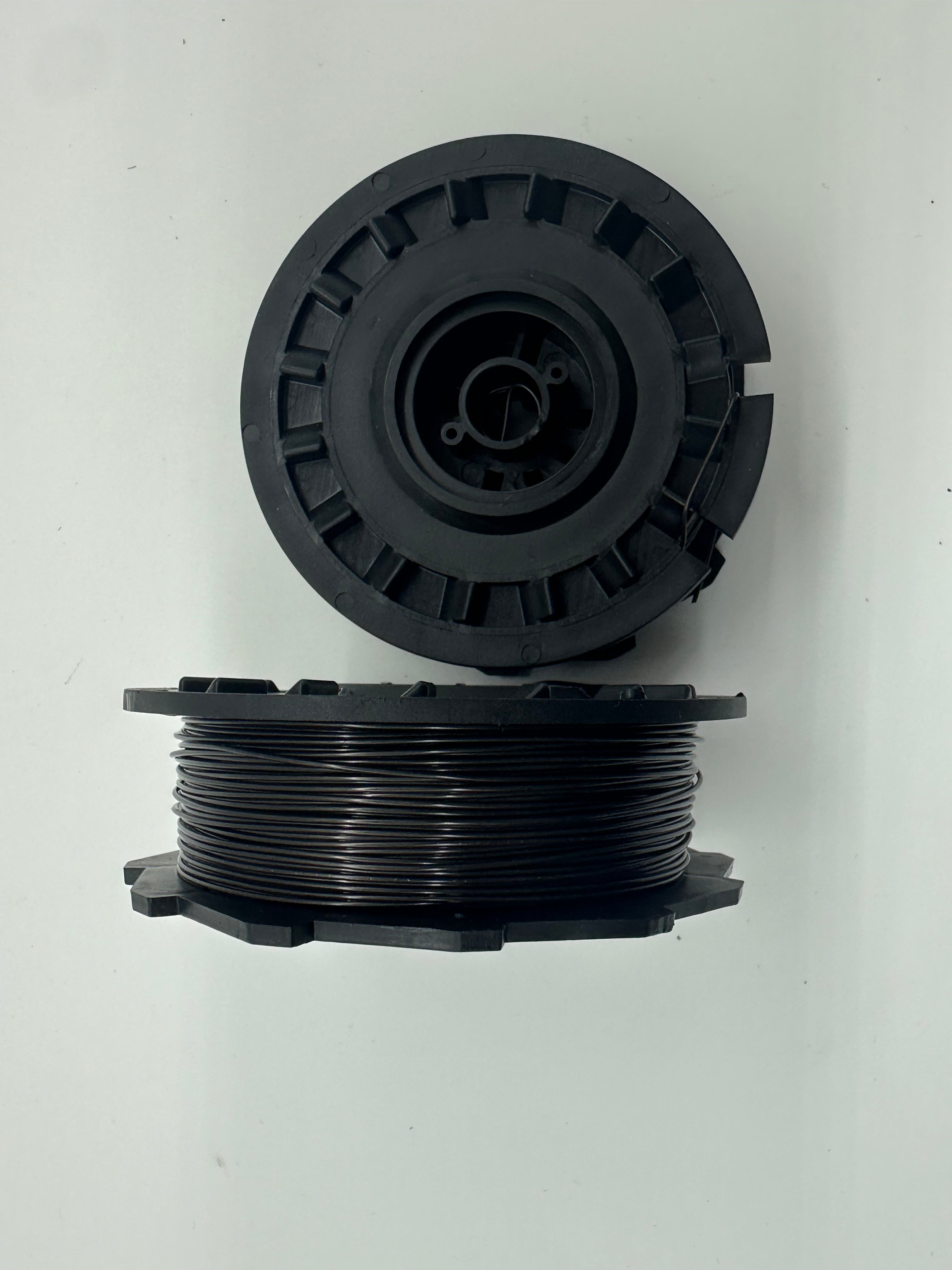
Carbon wire is a critical component in various applications across the construction and manufacturing sectors, valued for its strength, flexibility, and durability. When sourcing carbon wire for bulk orders, B2B buyers, including purchasing managers, distributors, and engineers, often have several concerns, such as product specifications, material quality, and supplier reliability. This article will provide insights into what to consider when sourcing carbon wire, including key factors for importers and distributors, ways to find reliable suppliers, cost considerations, and how to choose the right type of carbon wire purchases for specific project needs.
Key Factors for Importers and Distributors

Key Factors for Importers and Distributors

Importers and distributors must focus on several key factors when sourcing steel winding wire. First, they should assess the supplier's reputation and experience in the industry. A manufacturer with a proven track record in producing high-quality carbon wire is likely to provide a more reliable product. Look for reviews, testimonials, and case studies that demonstrate the supplier's ability to meet customer needs. Next, consider the supplier's manufacturing capabilities. A factory equipped with advanced machinery and a dedicated research and development (R&D) center can innovate and improve product quality over time. Additionally, inquire about their export experience. Suppliers with a global reach are often more familiar with international quality standards and shipping regulations, which can facilitate smoother transactions. Finally, price is a crucial factor, but it should not be the only consideration. Evaluate the total cost of ownership, including shipping, customs fees, and potential tariffs. A lower upfront cost may lead to higher expenses later if the product does not meet quality standards or performance requirements.
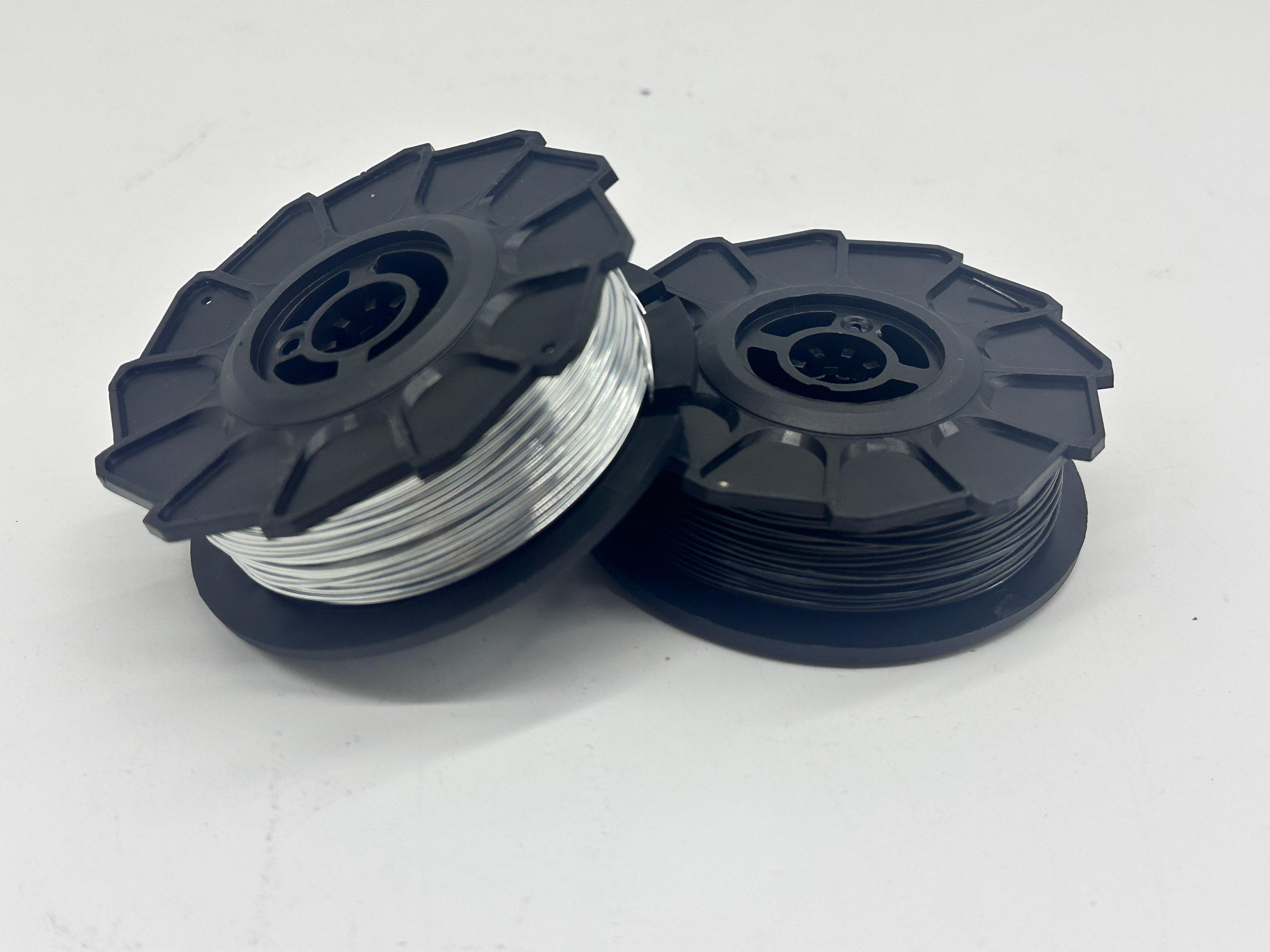
Where to Find Reliable Suppliers for High-Quality Carbon Wire

Where to Find Reliable Suppliers for High-Quality Carbon Wire

Finding reliable suppliers for steel & wire can be accomplished through several avenues. Trade shows and industry exhibitions provide an excellent platform for meeting manufacturers and assessing their products firsthand. Networking with industry peers can also yield recommendations for trustworthy suppliers. Online B2B marketplaces, such as Ali baba or Thomas Net, can help buyers identify potential suppliers. However, it is important to conduct thorough due diligence. Request samples to assess material quality and performance before placing bulk orders. Additionally, verify the supplier's certifications, such as ISO standards, which indicate adherence to quality management systems. Another effective strategy is to engage with industry associations and trade groups. These organizations often provide resources and directories of reputable suppliers, along with insights into best practices in the industry.

Understanding the Cost Factors for Carbon Wire Purchases

Understanding the Cost Factors for Carbon Wire Purchases

The cost of wire products is influenced by several factors, each of which should be carefully considered during the purchase process. Material costs are the most apparent factor; the price of raw materials can fluctuate due to market demand and availability. Buyers should monitor these trends to make informed purchasing decisions. Production methods also affect pricing. For instance, cold-drawn carbon wire purchases may be more expensive than hot-rolled wire due to the additional processing steps involved. Customization requests, such as specific dimensions or coatings, can also increase costs. When requesting a quotation, provide detailed specifications to receive the most accurate pricing. Additionally, consider logistics costs, including shipping and handling. If your order is large, negotiating bulk shipping rates can lead to significant savings. Finally, factor in potential tariffs and import duties, especially if sourcing carbon wire from international suppliers. Understanding the complete cost structure will help buyers make more informed decisions and optimize their purchasing strategy.

Choosing the Right Type of Carbon Wire for Your Project Needs

Selecting the appropriate type of carbon wire for your project is crucial for ensuring performance and durability. The decision should be based on several criteria, including the application's specific requirements, environmental conditions, and load-bearing capabilities. For example, if the carbon wire purchases will be used in construction for tying rebar, you may need a wire with higher tensile strength and resistance to corrosion. Conversely, if the wire is intended for lightweight applications, a lower gauge wire may suffice. Additionally, consider the wire's coating. Galvanized carbon wire, for instance, offers increased resistance to rust and corrosion, making it suitable for outdoor applications. On the other hand, understated wire may be more appropriate for indoor uses where moisture exposure is minimal. Finally, buyers should also evaluate any applicable industry standards or regulations that may dictate specific requirements for carbon wire in their projects. Engaging with suppliers about these considerations can lead to better recommendations tailored to your operational needs.

What to Consider When Sourcing Carbon Wire for Bulk Orders

When sourcing carbon wire, it is crucial to evaluate the specific requirements of your application. Buyers should consider the wire's tensile strength, diameter, and coating, as these factors will affect performance in different environments. For example, if the wire will be used in high-stress applications, such as rebar tying or supporting heavy loads, opting for high tensile strength wire is essential. Moreover, understanding the manufacturing process is vital. Carbon wire can be produced using various methods, such as cold drawing or hot rolling. Cold drawn wire typically offers better surface finish and dimensional accuracy, which are important for applications requiring high precision. Buyers should also inquire about the supplier's quality control processes to ensure that the wire meets industry standards and specifications. Lastly, it is beneficial to have a clear picture of your expected order volume and delivery timelines. Minimum order quantities (MOQs) and lead times can vary significantly among suppliers, so confirming these details upfront can prevent delays in your project timeline.

Our Blog Posts

The Cost-Benefit Analysis of Investing in a Rebar Tying Machine

10

Nov

The Cost-Benefit Analysis of Investing in a Rebar Tying Machine

Boosting Productivity with a Rebar Tying MachineWhere quality construction countsFor successful completion of construction projects, every detail is essential. Read More One of the most important elements to increase productivity on a construction si...
View More
14.4V RT580S Kowy Rebar tying machine: On-Site Use Benefits

10

Nov

14.4V RT580S Kowy Rebar tying machine: On-Site Use Benefits

Step up to the 14.4V RT580S Kowy Rebar Tying Machine by Kowy and enjoy all that time-saving convenience. This advanced mechanical equipment is ideally suited to streamline construction activities and maximize productivity at site. With quality and du...
View More
Kowy Rebar Tying Machines: Are They Worth the Investment?​

10

Nov

Kowy Rebar Tying Machines: Are They Worth the Investment?​

Find out about the Advantages of Using Kowy Rebar Tying MachinesFor those in the construction sector, efficiency and productivity are everything when it comes to being successful. That’s where Kowy Rebar Tying Machines are stepping up. These state-of...
View More

Get a Free Quote

Our representative will contact you soon.
Email
Mobile/WhatsApp
Name
Company Name
Message
0/1000

Get a Free Quote

Our representative will contact you soon.
Email
Mobile/WhatsApp
Name
Company Name
Message
0/1000
Newsletter
Please Leave A Message With Us