Understanding Rebar Wire Specifications for Purchase

All Categories

Rebar wire

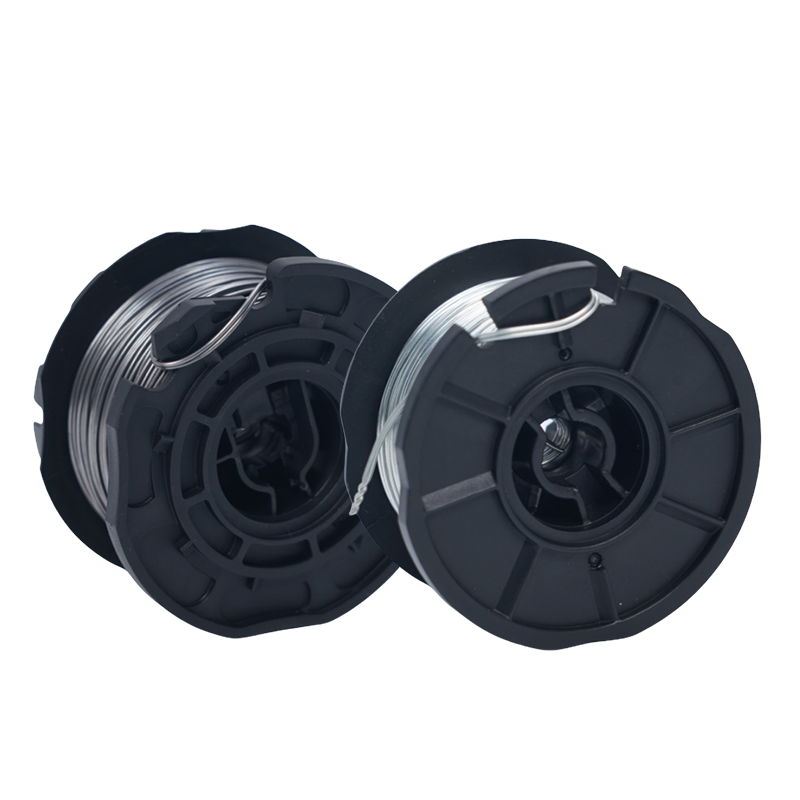
Rebar wire is a critical component in the construction industry and is widely used for reinforcing concrete structures. It plays an important role in improving the strength, stability, and durability of reinforced concrete in residential, commercial, industrial, and infrastructure projects. Understanding the rebar wire specifications and applications of rebar wire is essential for purchasing managers, engineers, contractors, and project managers who want to ensure consistent quality, cost efficiency, and reliable project performance. Choosing the right rebar wire requires careful consideration of several factors, including material quality, diameter, grade, surface finish, corrosion resistance, manufacturing standards, and supplier reliability. In addition, buyers need to consider pricing, minimum order quantities, delivery schedules, packaging, and customization options. This article addresses key considerations when selecting and purchasing rebar wire, including rebar wire specifications, pricing, common problems, and effective solutions, helping buyers make informed decisions.
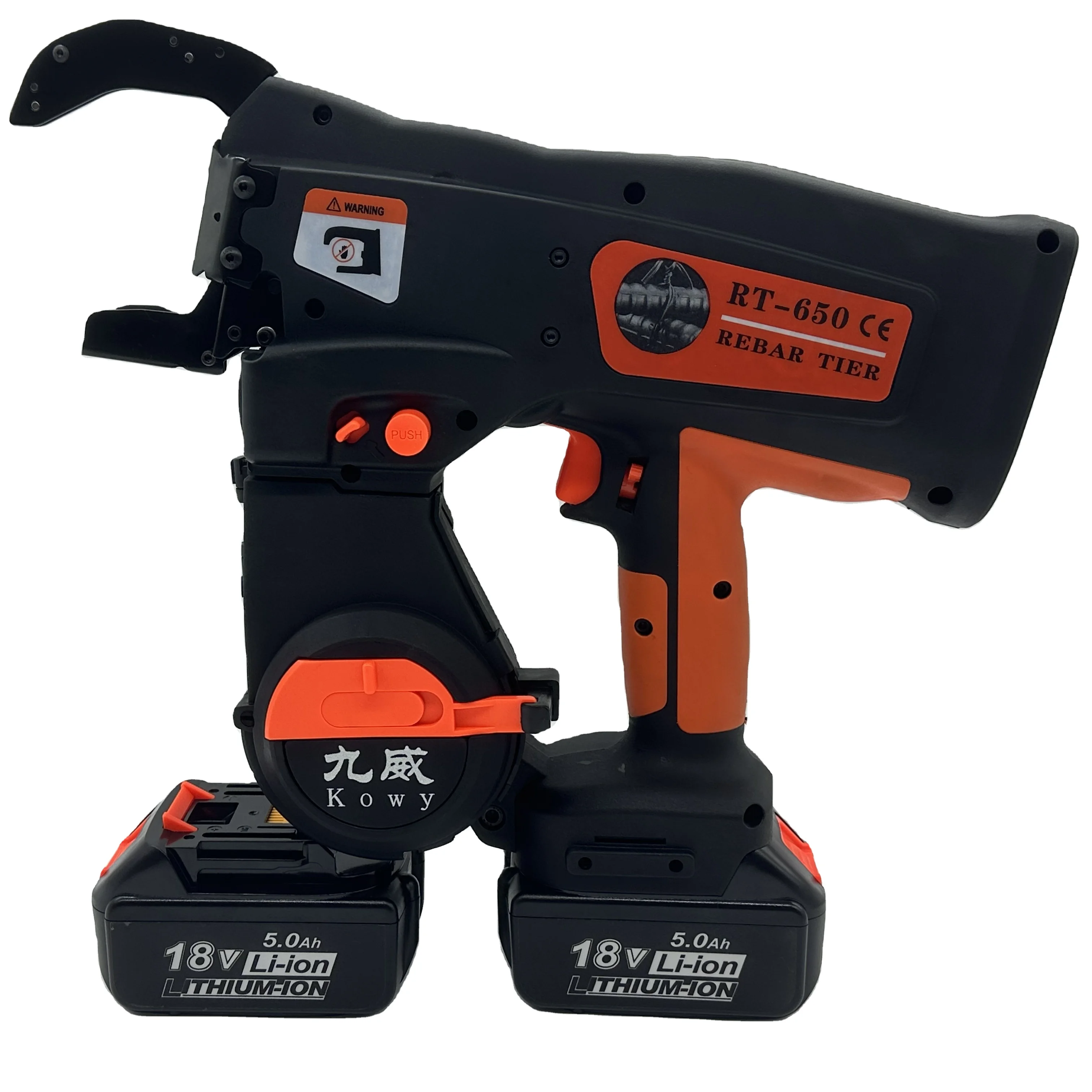
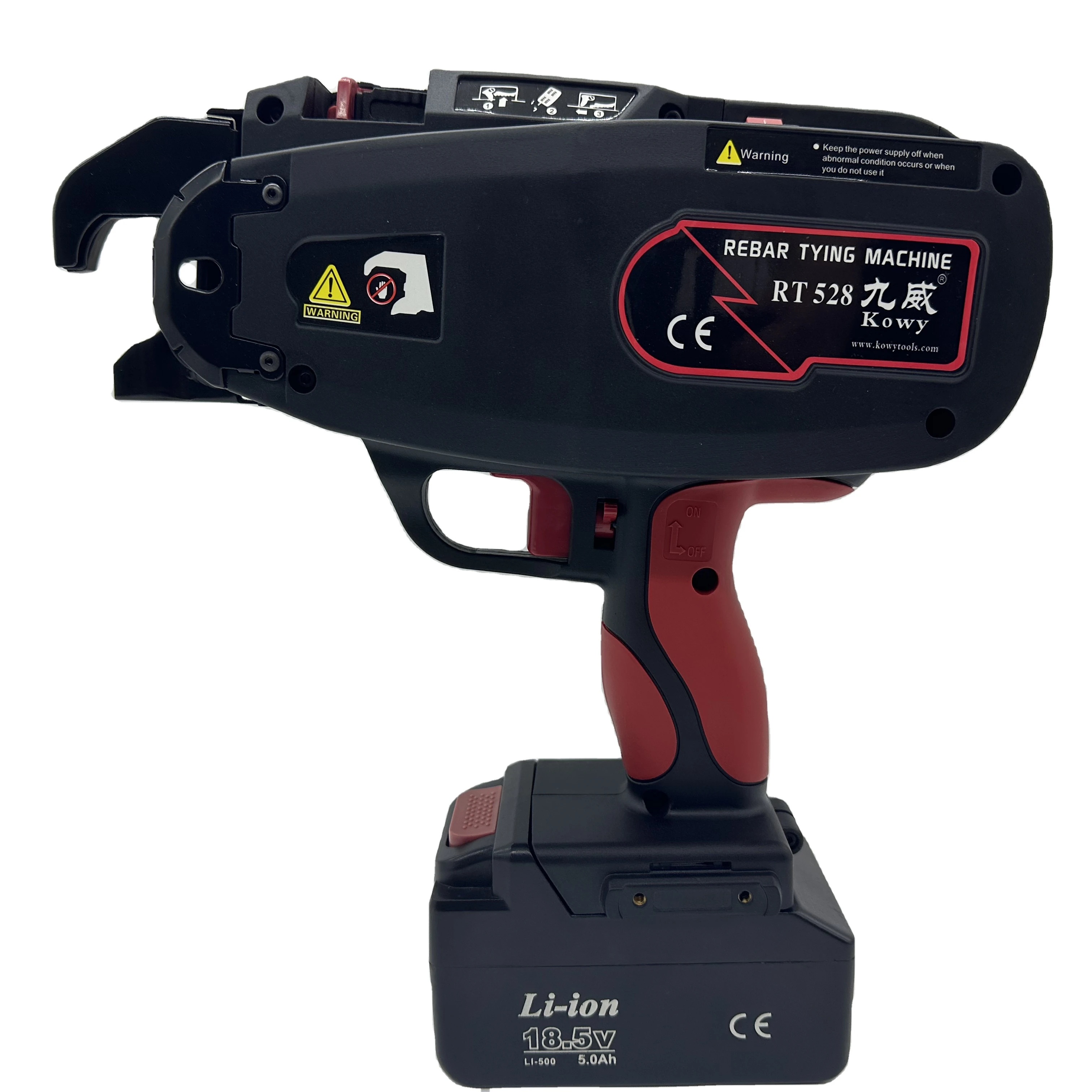
Our Products

Where to Buy High-Quality Rebar Wire at Competitive Prices

Where to Buy High-Quality Rebar Wire at Competitive Prices

When seeking high-quality rebar wire, purchasing rebar wire managers should consider a few key factors to ensure they find reliable sources: Manufacturer Reputation: Look for manufacturers with a proven track record in the construction industry. Established companies often have stringent quality control processes and certifications that ensure product reliability. Direct vs. Distributors: Purchasing rebar wire directly from manufacturers can often lead to cost savings, as it reduces the markup from distributors. However, distributors may offer a wider variety of products and faster delivery times. Bulk Purchasing: Many manufacturers offer competitive pricing for bulk orders. Discussing projected needs with suppliers can lead to better rates and terms. Global Reach: Suppliers with international export capabilities often have robust quality assurance mechanisms in place. Since our company exports to over 80 countries, we ensure consistent quality and compliance with global standards. Buyers should also consider requesting quotes from multiple suppliers to compare prices and terms effectively.
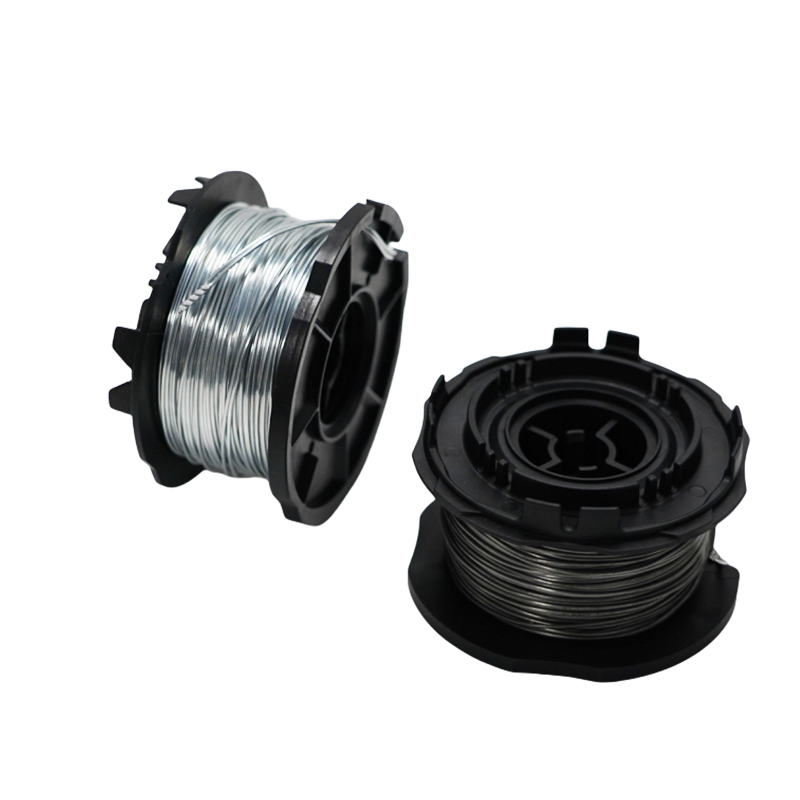
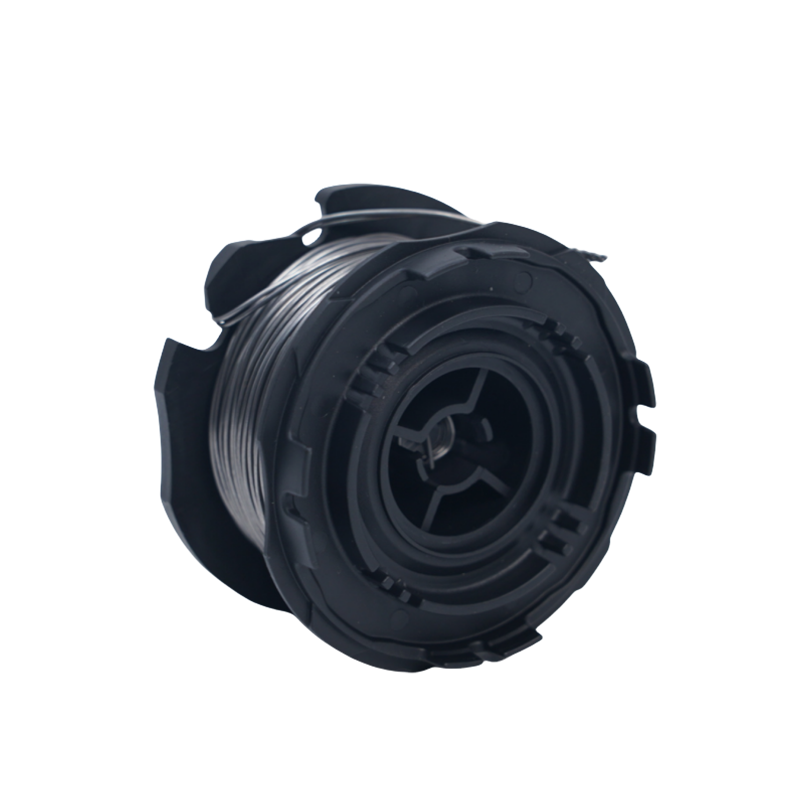
What Buyers Need to Know

What Buyers Need to Know

Before placing an order for high-quality rebar wire, buyers should be aware of several important considerations: Minimum Order Quantity (MOQ): Different suppliers have different MOQs. Understanding these limits is crucial for project planning, especially for smaller projects. Lead Times: Timing can significantly impact construction schedules. Confirming lead times for production and shipping will help avoid project delays. Customization Options: Some manufacturers offer customization in terms of lengths, diameters, and finishes. Discussing specific project needs upfront can help streamline the ordering process. Samples: Before mass production, it is advisable to request samples to evaluate the quality and compliance with  rebar wire specifications. This allows buyers to confirm dimensions and performance characteristics before committing to larger orders.

Common Problems with Rebar Wire and Effective Solutions

Common Problems with Rebar Wire and Effective Solutions

While high-quality rebar wire is essential for construction, buyers may encounter several common issues: Corrosion: Inadequate protection against corrosion can lead to structural failures. Selecting the right type of rebar, such as epoxy-coated or galvanized options, can mitigate this risk. Inconsistent Quality: Variability in production can result in differences in tensile strength and dimensions. Buyers should work with reputable manufacturers who have established quality control standards. Improper Handling: Damage during transport or handling can affect the integrity of rebar. Proper packaging and handling protocols should be discussed with suppliers to minimize these risks. Compatibility Issues: Ensure that the selected rebar tie wire machine is compatible with other materials being used, such as concrete mixes. Mismatched properties can lead to compromised structural integrity. Addressing these issues proactively can lead to smoother project execution and reduced costs associated with rework or repairs.

Cost Factors to Consider When Purchasing Rebar Wire in Bulk

Understanding the cost factors associated with purchasing rebar tier wire in bulk is vital for budget management: Material Costs: Fluctuations in steel prices can impact overall costs. Buyers should stay informed about market trends and negotiate pricing based on current material costs. Transportation Costs: Shipping costs can vary significantly based on distance, weight, and delivery methods. Evaluating logistics options can lead to cost-effective solutions. Quality Assurance: Investing in higher-quality rebar may incur higher upfront costs but can result in savings over time due to reduced maintenance and repair needs. Market Conditions: Supply chain disruptions, demand surges, and geopolitical factors can all impact pricing. Buyers should consider these elements when negotiating and planning purchases. By having a clear understanding of these cost factors, purchasing rebar wire managers can make informed decisions that align with their project budgets while ensuring quality.

Understanding Rebar Wire Specifications for Optimal Use

Rebar wire comes in various  rebar wire specifications, which are crucial for determining its suitability for rebar wire specific construction applications. Key specifications include: Diameter: High-quality rebar wire typically ranges from 6mm to 50mm in diameter. The thickness impacts tensile strength and load-bearing capacity. For instance, larger diameters are used in heavy construction, while smaller diameters are suited for residential projects. Material: Most rebar tie wire is made from steel, known for its strength and durability. Some manufacturers may offer epoxy-coated or galvanized options for corrosion resistance, which is vital in areas with high humidity or exposure to chemicals. Grade: The grade of rebar indicates its yield strength. Common grades include Grade 40, Grade 60, and Grade 75, with higher grades providing greater strength. Selecting the appropriate grade is essential to meet structural requirements and ensure safety. Finish: The surface finish of high-quality rebar wire can affect bonding with concrete. Deformed rebar has ridges that enhance adhesion, while smooth rebar is sometimes used for different applications. Understanding these  rebar wire specifications can help buyers evaluate the performance characteristics required for their specific applications.

Our Blog Posts

Steel Tying Machine: Boosting Efficiency in Reinforcement Work​

10

Nov

Steel Tying Machine: Boosting Efficiency in Reinforcement Work​

Boost Productivity with Our Best-In-Class Tying Machine for SteelTired of all those slow and repetitive manual work on steel fixing that just wastes your energy and time? Take Kowy, and your workflow will never be the same. Our professional stee...
View More
Screen Display Model vs. Knob Model Rebar Tying Guns: A Comparison​

10

Nov

Screen Display Model vs. Knob Model Rebar Tying Guns: A Comparison​

Kowy has been already established in 2003 and is one of the world leaders in the production of high quality mechanical equipment for construction. We pride ourselves on cutting-edge factory and research & development center, which are built over 20 y...
View More
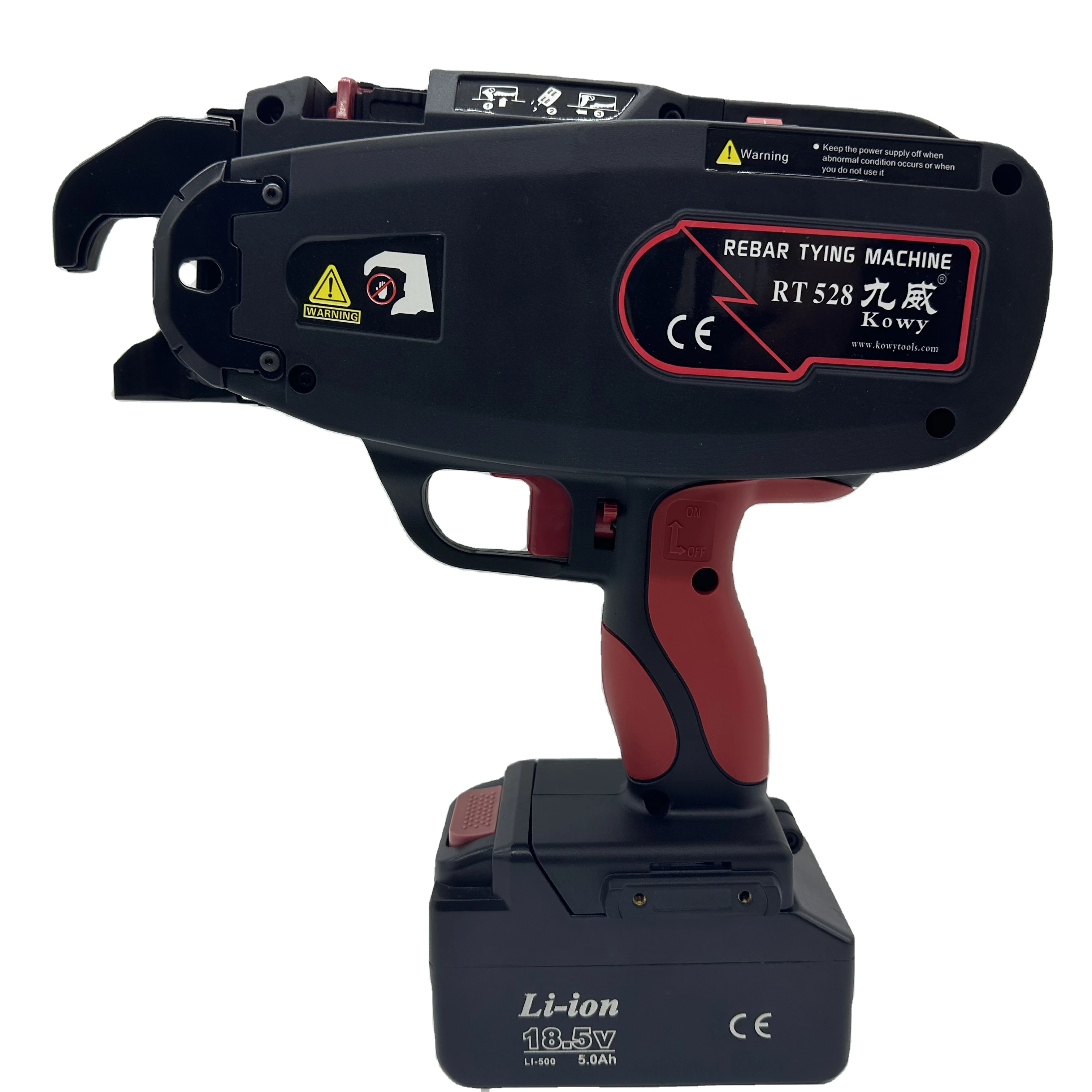
Safety Rules for Operating the 18.5V RT528 Kowy Rebar tying machine

10

Nov

Safety Rules for Operating the 18.5V RT528 Kowy Rebar tying machine

Safety Notes to be Followed when Using the 18.5V RT528 Kowy Rebar Tying MachineWhat to consider when running 18.5V RT528 Kowy Rebar Tying Machine: Safety first while using the machine. This forceful instrument is prized in the construction industry, ...
View More
18.5V RT558 Kowy Rebar tying machine: Humid Environment Performance

10

Nov

18.5V RT558 Kowy Rebar tying machine: Humid Environment Performance

18.5V RT558 Kowy Rebar tying machine great work in humid working condition A Recommend For: Working In Humid Situation 18.5V RT558 Kowy Rebar tying machine is a great performer as far as working in humid condition is concern. This top-of-the-lin...
View More

Get a Free Quote

Our representative will contact you soon.
Email
Mobile/WhatsApp
Name
Company Name
Message
0/1000

Get a Free Quote

Our representative will contact you soon.
Email
Mobile/WhatsApp
Name
Company Name
Message
0/1000
Newsletter
Please Leave A Message With Us