EN
EN

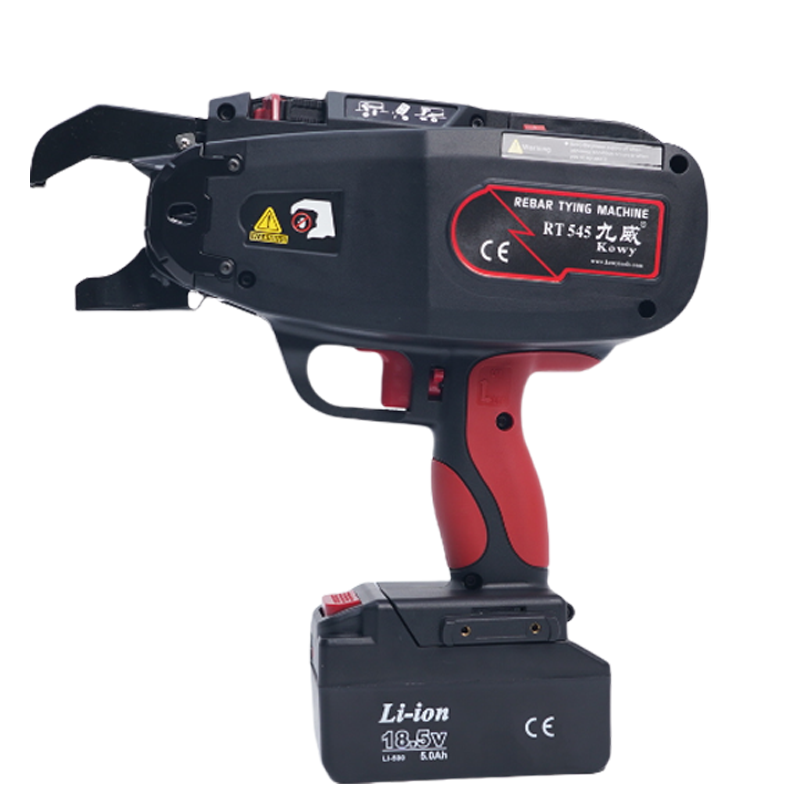
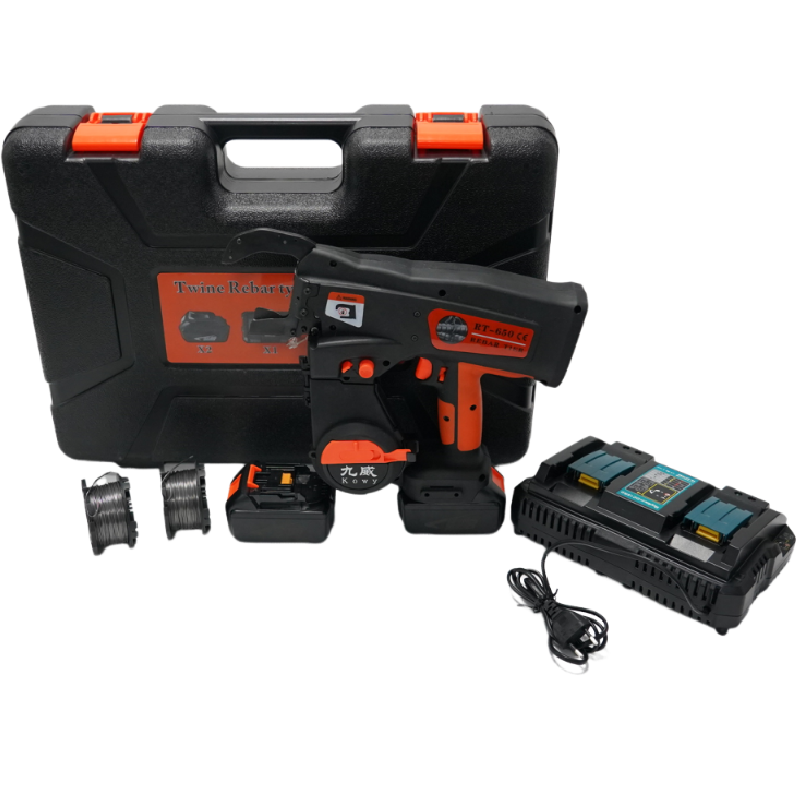
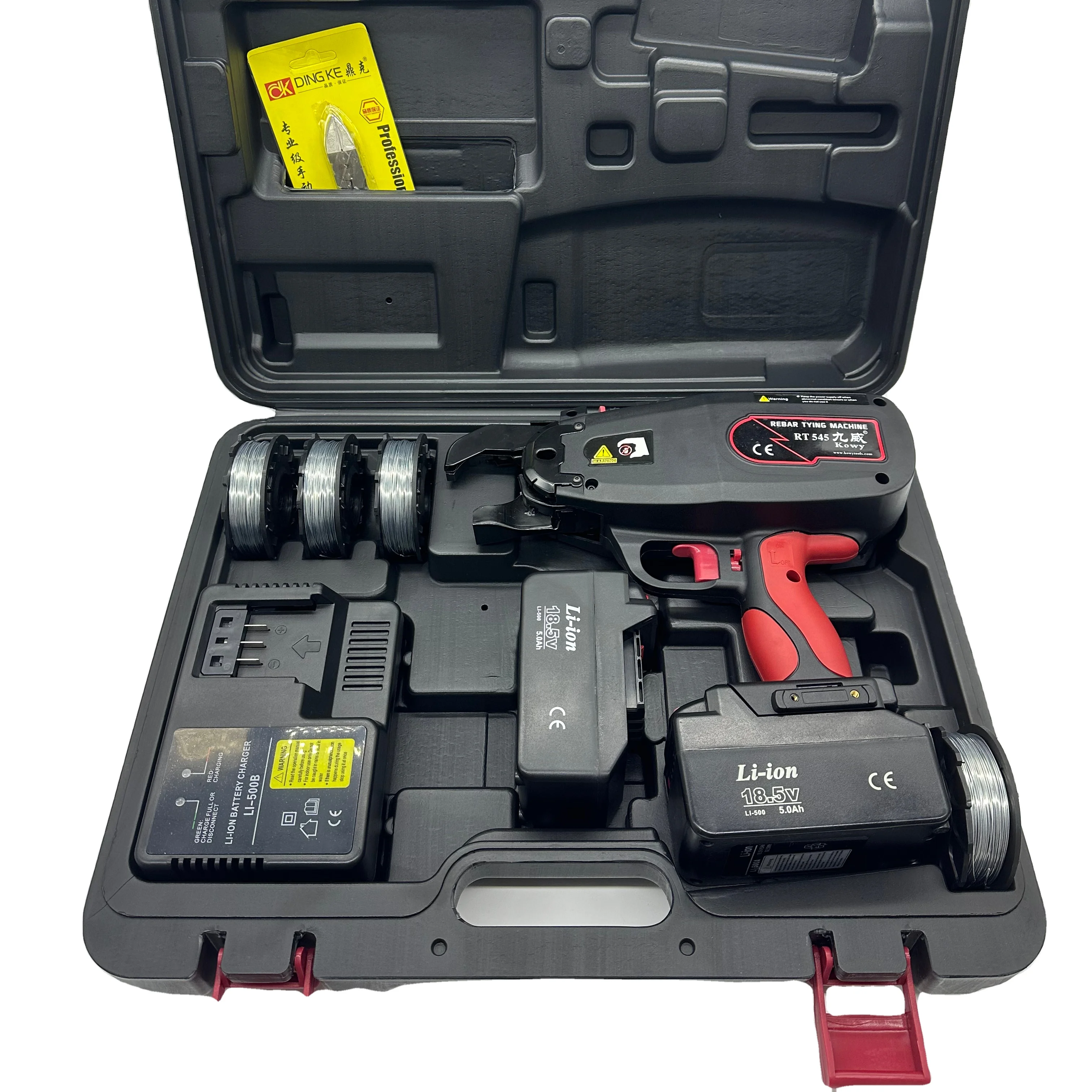
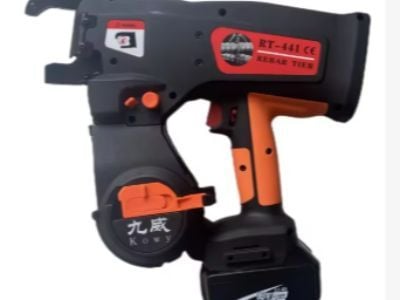
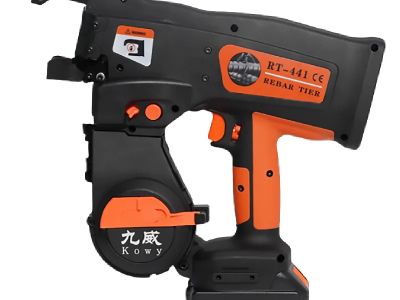
Steel tying machines are essential tools in the construction industry, designed to securely bind rebar and other steel components. As a purchasing manager or engineer, understanding the nuances of these machines is crucial for making informed decisions. This article will address key features of a reliable steel tying machine considerations when selecting a steel tying machine, highlight important features to look for, discuss sourcing high-quality steel tying machines options for bulk orders, and delve into cost factors when purchasing steel tying machines. We will also explore the various applications of steel tying machines in construction projects, providing you with the necessary insights to enhance your purchasing strategy.
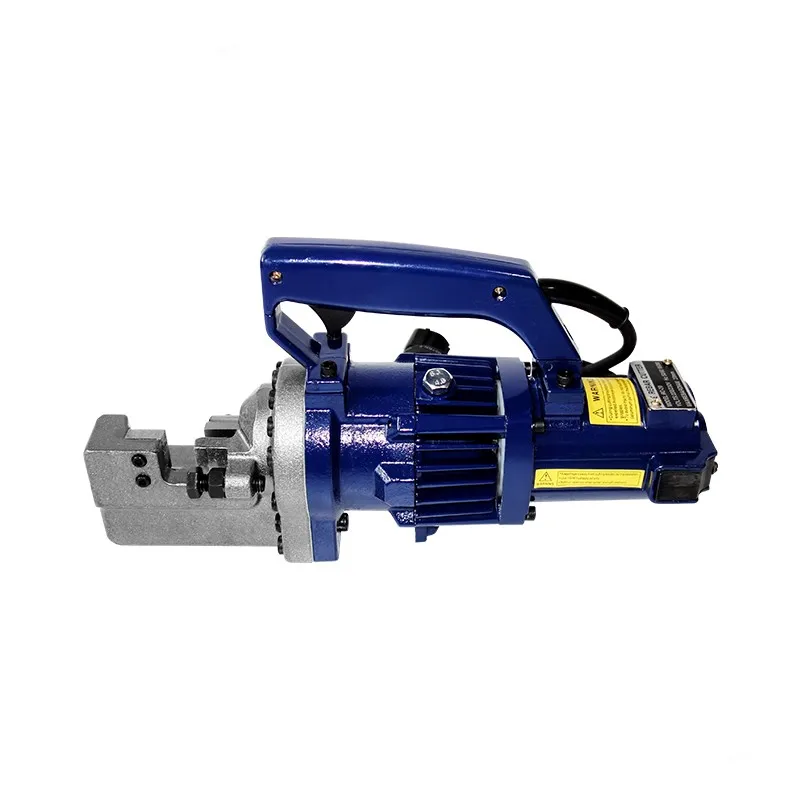
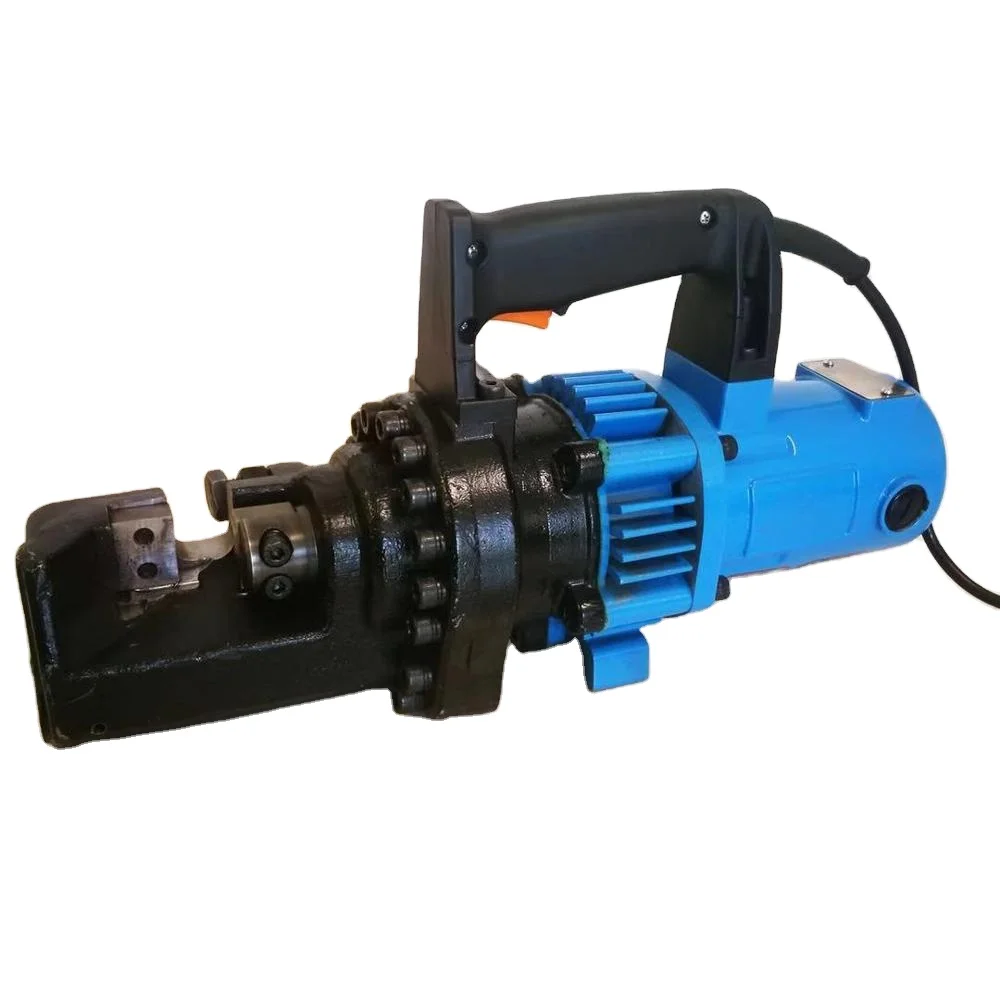
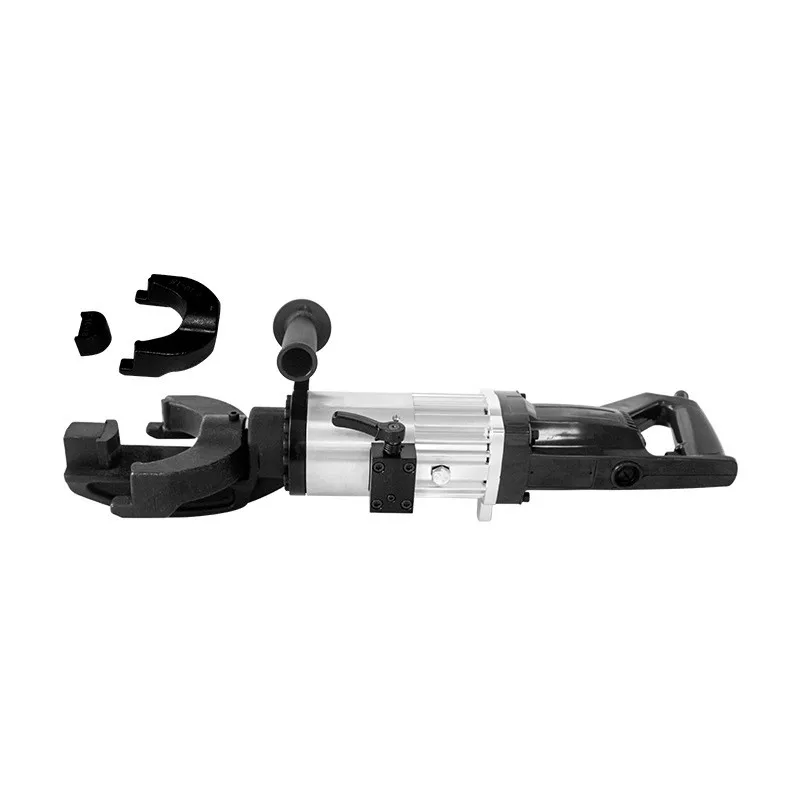
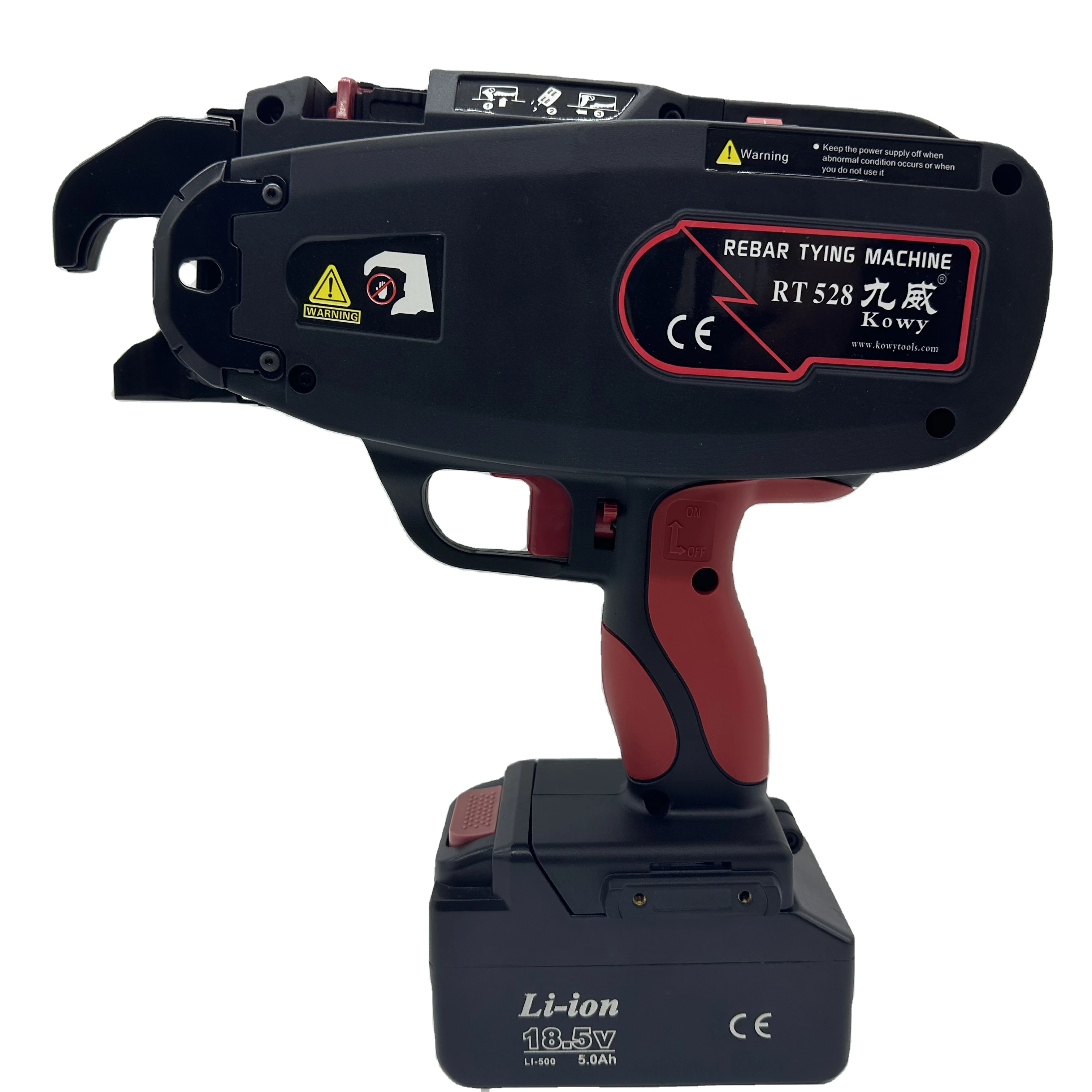
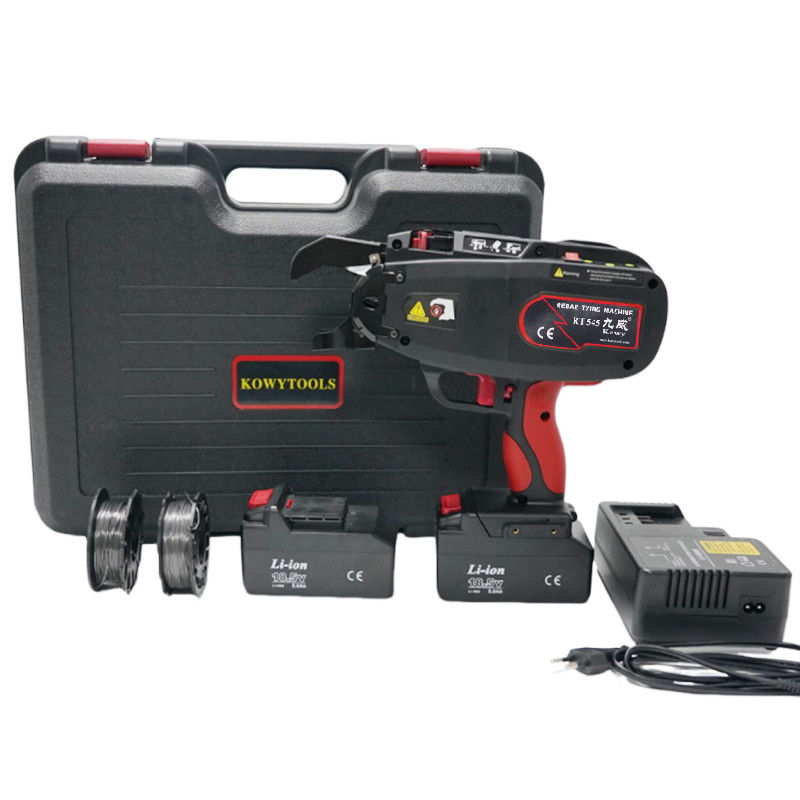
Key Features of a Reliable Steel Tying Machine
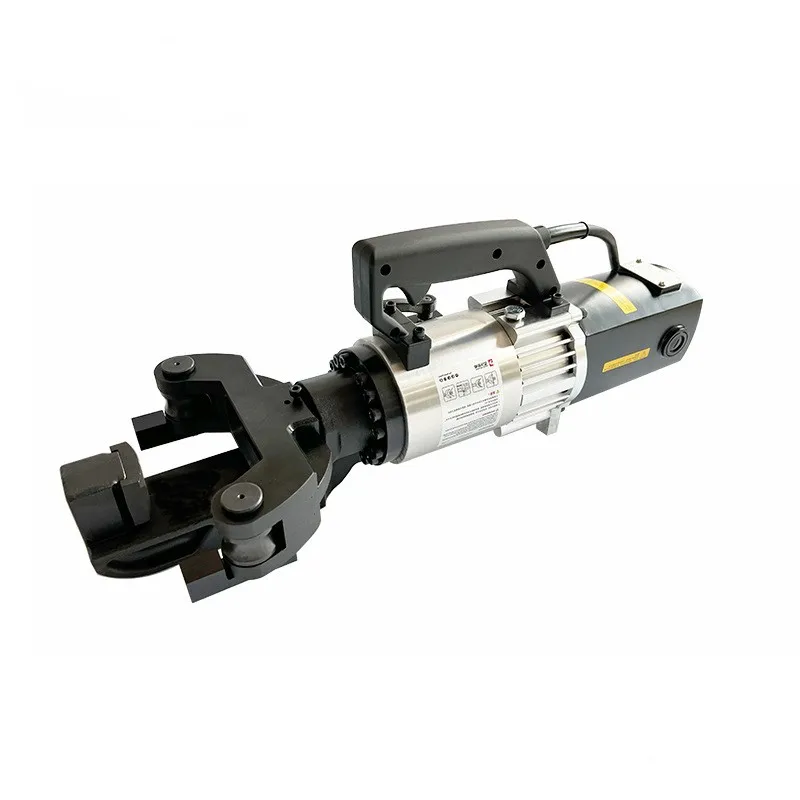
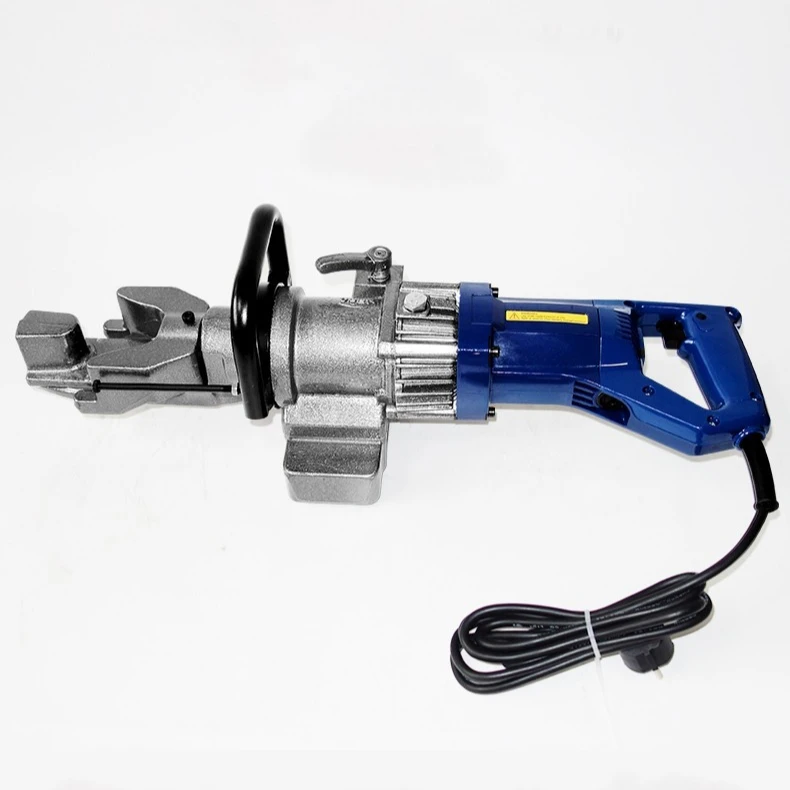
When evaluating steel bar bending machine, certain features stand out as indicators of reliability and efficiency. Here are key features of a reliable steel tying machine aspects to consider: Tying Speed and Efficiency: The speed at which a machine can tie rebar is a critical factor that affects overall project timelines. Machines with higher RPM (revolutions per minute) can complete more ties in less time, improving efficiency on busy job sites. Durability and Build Quality: A well-constructed machine will withstand the rigors of construction environments. Look for units made from high-quality steel and equipped with protective features to guard against dust and moisture. Battery Life and Power Options: For portability, machines that offer both battery and corded options can be advantageous. Extended battery life reduces interruptions, especially when working in areas without easy access to power sources. Safety Features: Safety is paramount in construction. Machines equipped with safety guards, automatic shut-off features, and ergonomic designs can help prevent accidents and injuries on-site. Ease of Maintenance: A reliable machine should allow for straightforward maintenance and quick part replacements, which are essential for minimizing downtime and ensuring long-term performance.