EN
EN


- Overview
- Recommended Products
Product Overview
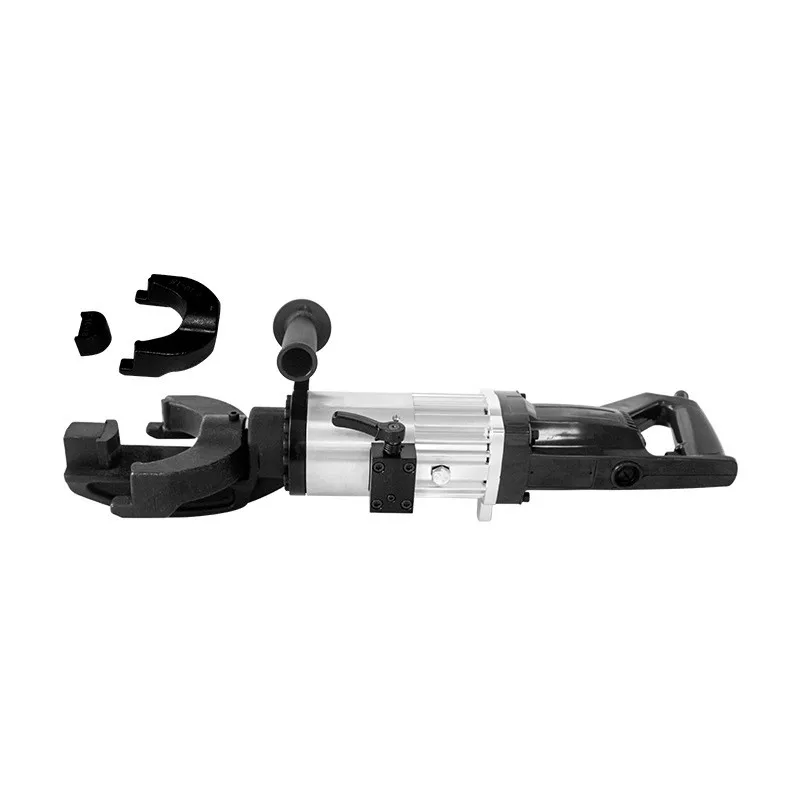
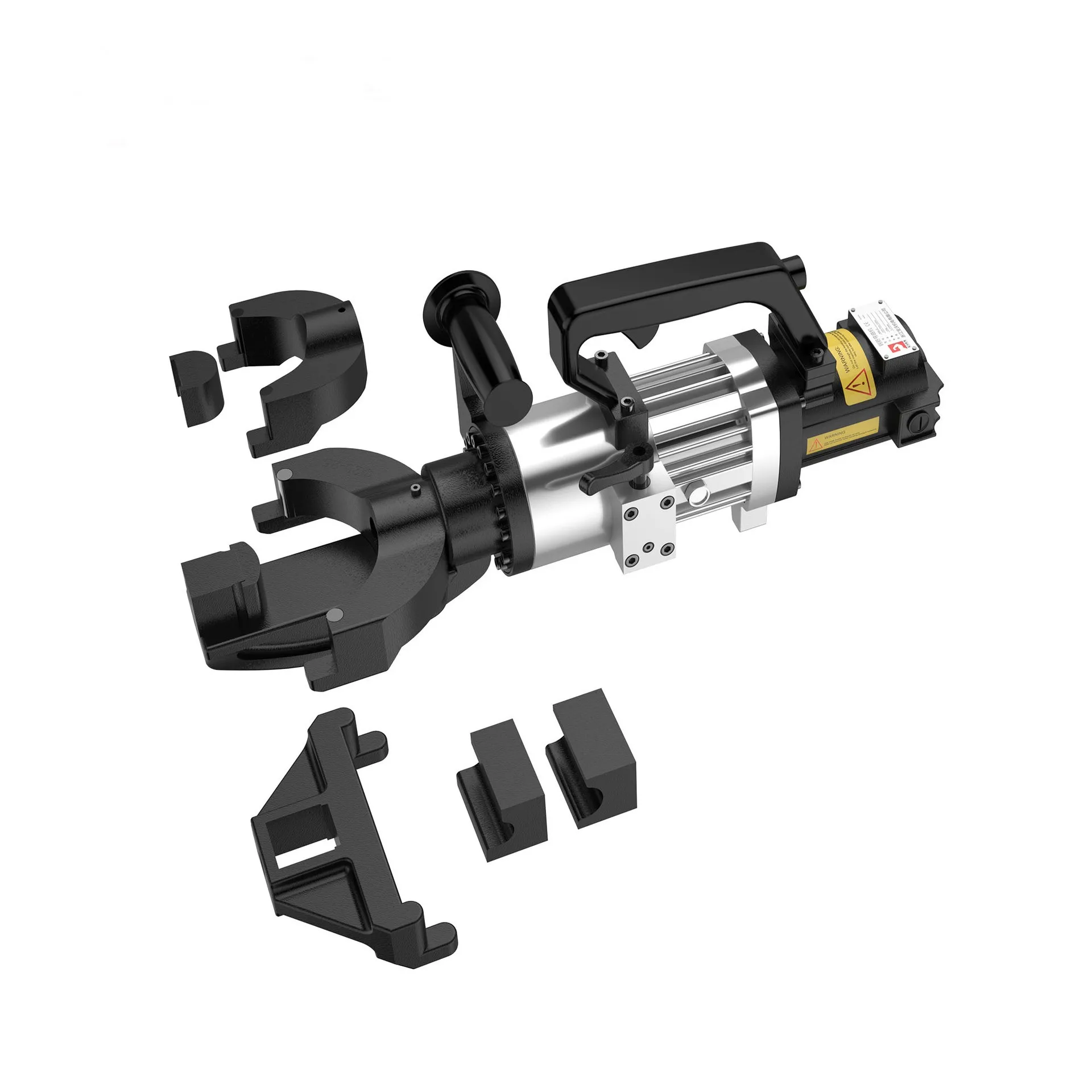
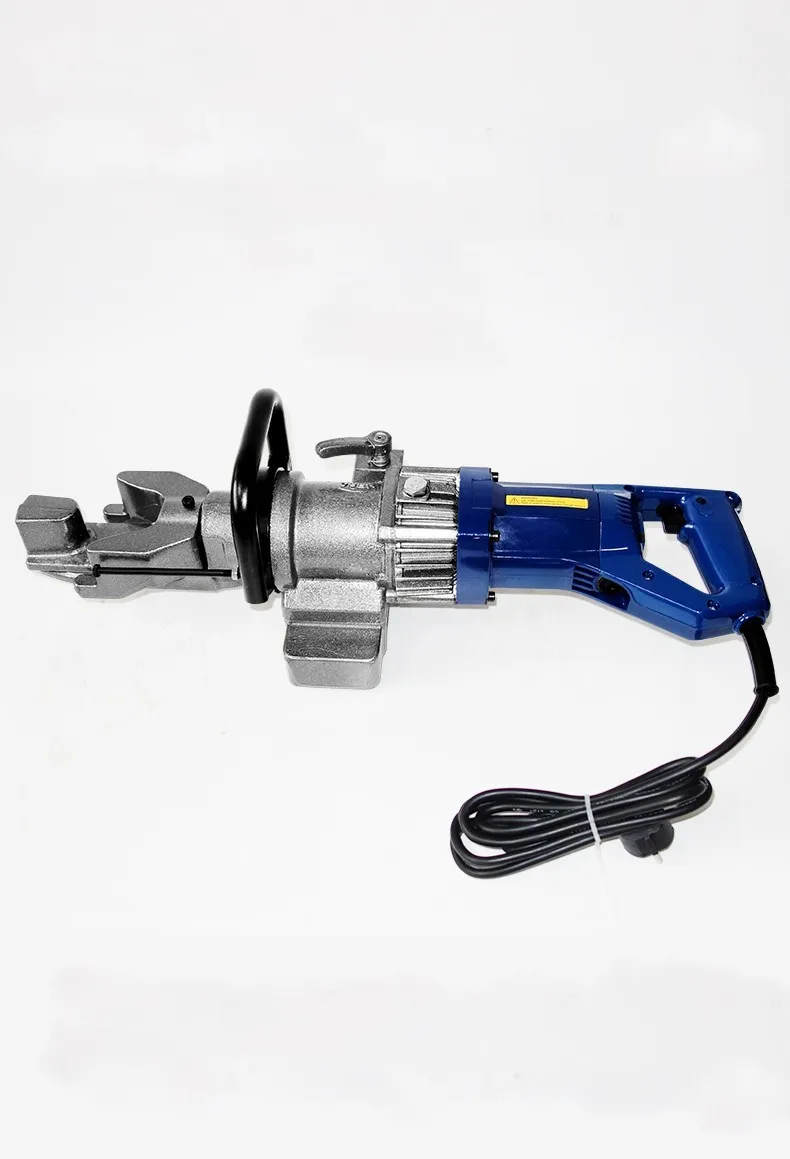
The Kowy portable steel bar bending machine is a general-purpose electric rebar bender engineered for on-site bending of reinforcement bars in construction, infrastructure, and precast concrete applications. The machine is designed to bend steel bars with diameters ranging from 4 mm to 32 mm into angles from 0 to 180 degrees, accommodating the full spectrum of standard reinforcement bending requirements including stirrups, hooks, L-bars, U-bars, and custom structural shapes. Powered by a high-torque electric motor driving a precision-machined bending disk, the tool delivers consistent, repeatable bend angles that meet the dimensional tolerances specified in ACI 318 and BS 8666 rebar bending standards. Manufactured at Ninghai Sanyuan Electric Tools Co., Ltd. in Ningbo, China, this bending machine reflects over 20 years of continuous refinement based on field experience gathered from construction projects across more than 80 countries.
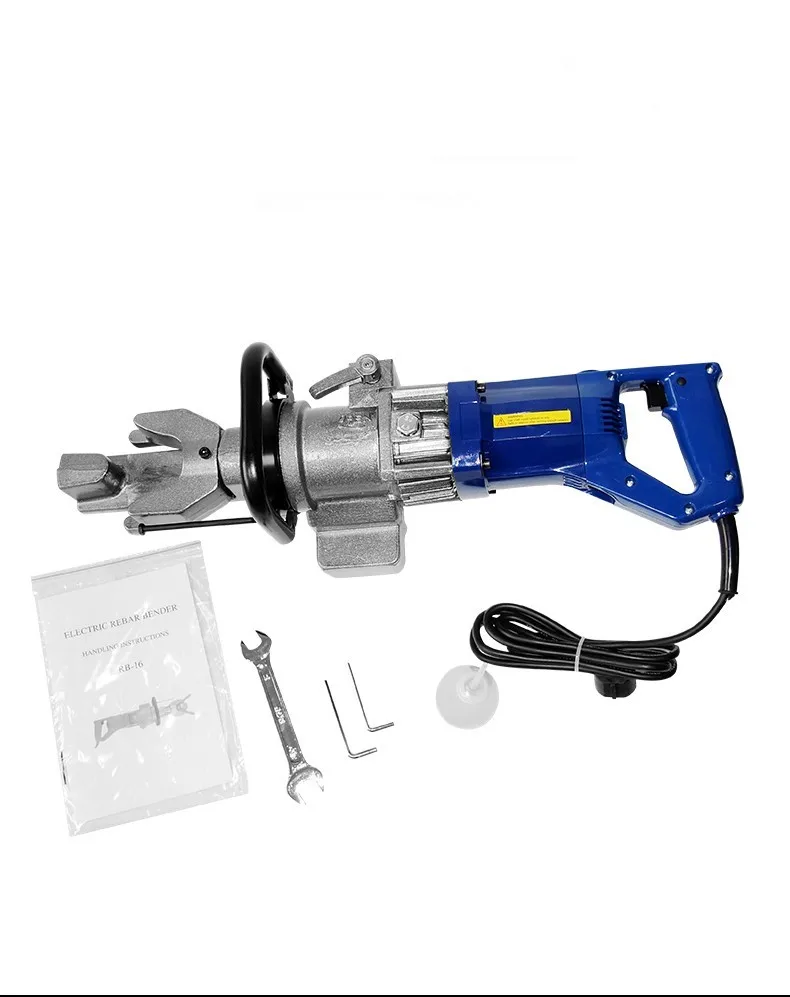
The machine's portable form factor, weighing approximately 18 kilograms, allows it to be easily transported between work stations on a construction site or repositioned within a rebar fabrication shop as workflow demands change. The bending disk is equipped with interchangeable pins and collars that accommodate different bar diameters, enabling rapid changeover between bending configurations without specialized tools. An angle indicator dial mounted on the bending disk provides visual reference for bend angle settings, while a positive-stop mechanism ensures that repeated bends return to the same angle position, maintaining consistency across production runs. The machine is CE and RoHS certified and undergoes individual load testing at the factory to verify bending performance under full-rated capacity before shipment. Each unit is supplied with a standard set of bending pins, a pin removal tool, and an operation manual detailing setup procedures for common bending configurations.
Key Features
1. High-Torque Electric Motor with Thermal Protection
The bending machine is powered by a 1,500-watt copper-wound electric motor designed to deliver the high torque required for bending large-diameter reinforcement bars. The motor drives the bending disk through a planetary gear reduction system that multiplies torque while maintaining smooth, controlled rotation throughout the bending stroke. This gear configuration eliminates the abrupt force application that can cause bar fracture or inconsistent bend angles, providing the operator with precise control over the bending process. The motor is equipped with thermal overload protection that automatically interrupts power if the winding temperature exceeds safe operating limits, preventing motor burnout during sustained high-volume bending operations. The motor housing features ventilation slots that promote air circulation for cooling, and the entire motor assembly is sealed to prevent dust and moisture ingress that could compromise electrical insulation.
2. Precision-Machined Bending Disk
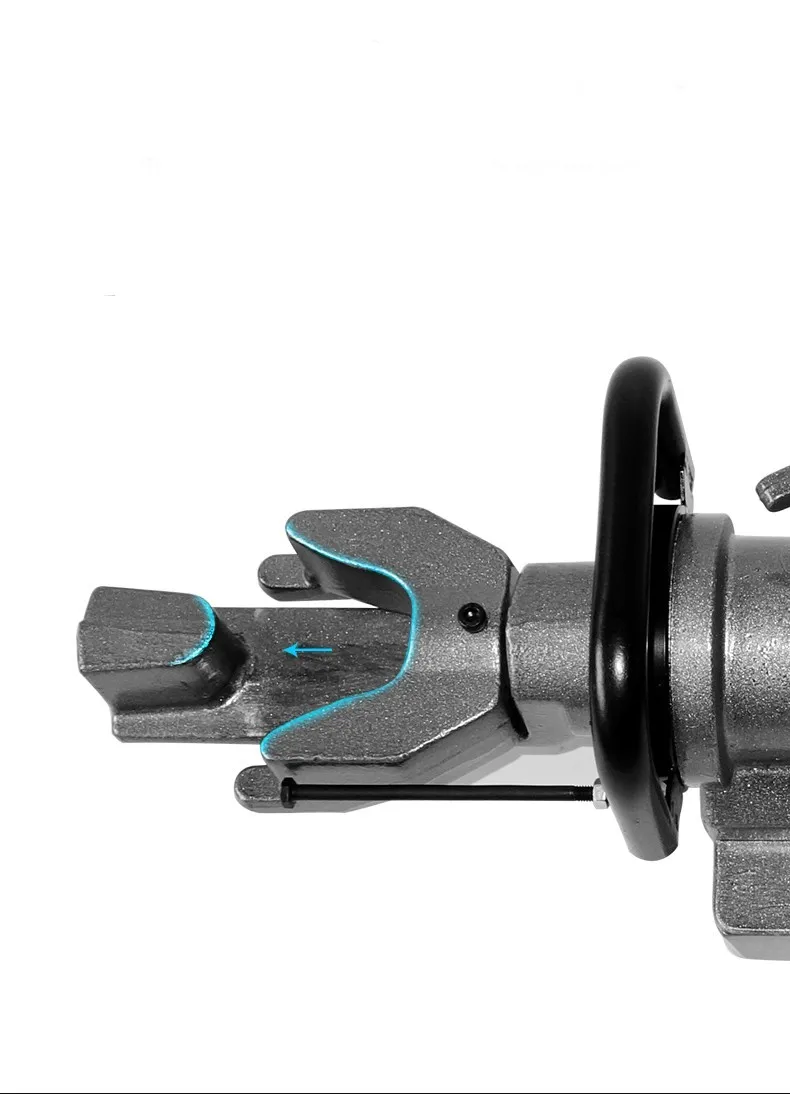
The bending disk is the central working component of the machine, machined from forged 45# carbon steel and heat-treated to achieve a surface hardness of 50 to 55 HRC for wear resistance under repeated bending loads. The disk features a series of precisely positioned pin holes that accommodate the center pin and bending pin configurations required for different bar diameters and bend radii. The pin hole spacing is engineered to provide the correct bend radius ratios specified by rebar design codes, ensuring that bends meet the minimum radius requirements that prevent bar fracture and maintain the structural integrity of the reinforcement. The disk surface is ground to a smooth finish to minimize friction and bar surface marking during bending, which is particularly important when processing epoxy-coated or galvanized reinforcement where coating integrity must be preserved.
3. Adjustable Angle Control with Positive Stop
The machine features an adjustable angle control system that allows the operator to set the desired bend angle from 0 to 180 degrees with positive mechanical stops at commonly used angles including 45, 90, 135, and 180 degrees. The angle setting is achieved by positioning a stop block on the angle indicator dial, which physically limits the rotation of the bending disk to the preset angle. This mechanical stop system ensures that every bend returns to the same angle position, maintaining consistency across long production runs and eliminating the angle variability associated with visual-only angle estimation. For non-standard angles, the stop block can be positioned at any intermediate point on the dial, providing the flexibility to produce custom bend configurations required for specialized reinforcement detailing. The angle indicator dial is marked in 5-degree increments, with finer graduations available for precision adjustment.
4. Interchangeable Pin and Collar System
The bending machine is supplied with a comprehensive set of center pins, bending pins, and positioning collars that accommodate the full range of bar diameters within the tool's rated capacity. The pins are manufactured from hardened tool steel and are designed for quick insertion and removal from the bending disk without specialized tools, enabling rapid changeover between different bar sizes and bending configurations. The collar set includes sizes that match standard rebar diameters from 4 mm through 32 mm, ensuring proper bar positioning and preventing slippage during the bending stroke. Replacement pins and collars are available as individual components, allowing operators to replace worn or damaged components without purchasing a complete pin set. The pin and collar system follows a standardized sizing convention, making it compatible with common rebar bending accessories available from other manufacturers.
5. Portable and Rugged Construction
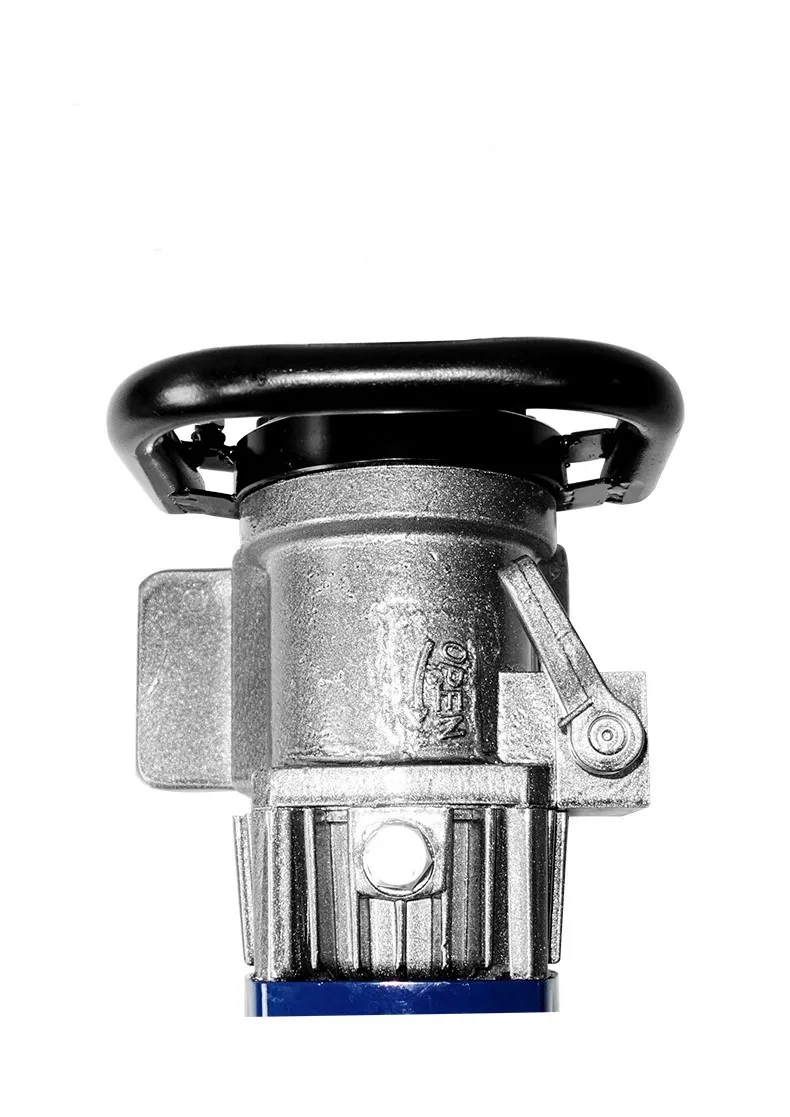
The machine is housed in a heavy-gauge steel frame that provides the structural rigidity needed to resist bending reaction forces without flexing or distortion, ensuring consistent bend accuracy over the tool's service life. Despite its robust construction, the machine weighs approximately 18 kilograms, light enough for a single operator to carry between work locations using the integrated carrying handle. The base of the machine is drilled and tapped for bolting to a workbench or custom stand for stationary use, while a non-slip rubber mat on the base provides stable operation when the tool is used freestanding on a flat surface. The power cable is rated for outdoor construction site use and is fitted with a sealed plug housing that provides additional protection against moisture and dust ingress at the electrical connection point.
Technical Specifications
| Parameter | Specification |
|---|---|
| Bending Diameter Range | 4 mm to 32 mm (reinforcement bar) |
| Bending Angle Range | 0 to 180 degrees |
| Motor Power | 1,500 W |
| Voltage | 220V / 50Hz (110V / 60Hz optional) |
| Bending Speed | Approximately 5 seconds per 90-degree bend (25 mm bar) |
| Bending Disk Material | Forged 45# carbon steel, 50 to 55 HRC |
| Pin Material | Hardened tool steel |
| Weight | Approximately 18 kg |
| Overall Dimensions | 450 mm x 300 mm x 280 mm |
| Angle Indicator | 5-degree increments, 0 to 180 degrees |
| Applicable Rebar Grades | HRB400, HRB500, Grade 40, Grade 60 |
| Power Cable Length | 2.5 m |
| Certifications | CE, RoHS |
| Warranty | 12 months from date of purchase |
Application Scenarios
On-Site Stirrup and Hook Bending
One of the most common applications for the Kowy portable bending machine is the on-site production of stirrups, ties, and hook-ended bars used in reinforced concrete construction. Rather than transporting pre-bent stirrups from a remote fabrication shop, contractors position the bending machine at the rebar staging area on each floor level, producing stirrups and hooks to the exact dimensions required for the current placement. This just-in-time bending approach reduces transportation costs, minimizes the risk of dimension errors caused by miscommunication between the fabrication shop and the field crew, and allows for rapid adaptation to field modifications in column or beam dimensions. The machine's positive-stop angle control ensures that all stirrups in a batch have identical bend angles, which is essential for proper cage assembly and concrete cover maintenance.
Precast Concrete Element Production
In precast concrete manufacturing, the bending machine is used to produce the reinforcement cages and individual bent bars required for standard precast elements such as beams, columns, wall panels, and slab units. The machine's ability to produce consistent, repeatable bends is particularly valuable in precast production, where dimensional accuracy directly affects the fitment of reinforcement within precision molds and the structural performance of the finished element. Precast plants typically deploy the bending machine in a dedicated reinforcement preparation area, where it is used alongside cutting machines to process straight stock bars into the bent configurations required by the element shop drawings. The tool's rapid changeover between pin configurations allows operators to switch between different element types within a production shift, supporting the flexible production scheduling typical of made-to-order precast operations.
Infrastructure and Civil Engineering Projects
Large infrastructure projects such as bridges, tunnels, retaining walls, and water treatment facilities require substantial quantities of bent reinforcement in configurations that often include standard hooks, L-bends, U-bends, and custom shapes specified by structural design requirements. The portable bending machine is deployed at multiple work zones across these project sites, providing local bending capability that eliminates the logistical complexity of transporting pre-bent bars from a central fabrication facility to remote work locations. On tunnel projects, the machine is used to bend reinforcement for tunnel lining segments, where the curvature of the tunnel alignment requires custom bar shapes that vary along the tunnel length. On bridge projects, the tool is used for bending deck reinforcement, pier caps, and abutment bars, with the portability allowing it to be moved between pier locations as construction progresses along the bridge alignment.
Structural Retrofit and Repair Work
In structural retrofit and repair projects, existing reinforcement often needs to be supplemented with custom-bent bars that fit within the geometric constraints of the existing structure. The portable bending machine is ideal for these applications because it can be positioned within the confined working spaces of existing structures and operated by a single technician. Retrofit reinforcement frequently requires non-standard bend angles and radii to navigate around existing structural elements, and the machine's adjustable angle control and interchangeable pin configurations provide the flexibility needed to produce these custom shapes. Contractors performing seismic retrofits, slab strengthening, and column jacketing regularly rely on the portable bender to produce the custom reinforcement shapes that these specialized strengthening techniques require, with the tool's precision and repeatability ensuring that retrofit bars meet the engineer's dimensional specifications.
Why Choose Kowy
Since its establishment in 2003, Ninghai Sanyuan Electric Tools Co., Ltd. has concentrated exclusively on the design and manufacture of rebar processing tools, developing a focused expertise that spans every aspect of reinforcement bending technology. The portable bending machine represents the accumulation of this experience, incorporating design refinements derived from analysis of bending performance data collected across diverse construction environments and rebar grade specifications. The company's engineering team maintains an active dialogue with construction professionals in over 80 countries, using field feedback to identify opportunities for design improvement and to validate the real-world performance of new features before they are incorporated into production models. This customer-driven development approach ensures that the bending machine addresses the practical needs of construction professionals rather than theoretical design objectives disconnected from field realities.
Kowy's manufacturing facility in Ningbo encompasses the complete production process for the bending machine, from precision machining of the bending disk and gear components to motor winding, assembly, and testing. This integrated manufacturing capability allows the company to maintain strict quality control at every production stage, ensuring that each machine meets the same performance standards regardless of production volume. Every bending machine undergoes a full-load bending test at maximum rated capacity before shipment, verifying that the motor, gear system, and bending disk perform within specification under realistic operating conditions. The company holds multiple national patents related to rebar bending machine design and maintains CE and RoHS certifications for international compliance. With export experience spanning Germany, the United States, Spain, and markets throughout Asia and the Middle East, Kowy provides the product reliability, technical support, and spare parts availability that construction professionals require from a long-term equipment partner.
Frequently Asked Questions
Q: What is the maximum bar diameter this machine can bend?
A: The machine is rated to bend reinforcement bars up to 32 mm in diameter for Grades 40 and 60. For higher-strength bars such as Grade 75 (minimum yield strength of 520 MPa), the maximum recommended bending diameter is 28 mm, as the higher yield strength increases the force required for bending. The machine can also bend bars as small as 4 mm in diameter, making it suitable for processing both light tie wire reinforcement and heavy main reinforcement bars. When bending bars at the upper end of the capacity range, it is recommended to allow a brief cooling period between bends to prevent motor overheating.
Q: How accurate are the bend angles produced by this machine?
A: When the positive stop mechanism is properly set, the machine produces bend angles accurate to within plus or minus 2 degrees of the target angle, which meets the dimensional tolerance requirements of ACI 318 and BS 8666 standards for rebar bending. The angle indicator dial is marked in 5-degree increments, allowing the operator to set intermediate angles by visual interpolation for non-standard bend requirements. For applications requiring tighter angle tolerances, the stop block position can be fine-tuned using the adjustment screws on the stop mechanism. Angle accuracy may vary slightly depending on the bar diameter, grade, and springback characteristics of the steel, so it is recommended to perform a test bend and measure the resulting angle before beginning a production run.
Q: Can the machine bend stainless steel and epoxy-coated bars?
A: Yes, the machine can bend stainless steel reinforcement bars and epoxy-coated bars. When bending epoxy-coated bars, it is important to use nylon or plastic-coated pins and collars to prevent damage to the epoxy coating at the contact points. Kowy offers optional nylon pin and collar sets specifically for this purpose. For stainless steel bars, the bending force requirements are approximately 20 to 30 percent higher than for equivalent-diameter carbon steel bars due to the work-hardening characteristics of stainless steel. The machine can handle stainless steel bars up to 28 mm in diameter within its rated motor capacity. After bending stainless steel, it is recommended to inspect the bending pins for signs of accelerated wear.
Q: How long does it take to change pin configurations for different bar sizes?
A: Changing the pin configuration to accommodate a different bar diameter takes approximately 1 to 2 minutes. The pins are designed for tool-free insertion and removal, using a spring-loaded detent mechanism that secures the pin in the bending disk hole while allowing quick extraction when the operator pulls the pin upward. The collars are similarly quick to change, sliding over the bar and seating against the bending disk surface. The pin and collar sizes are clearly marked with the corresponding bar diameter, eliminating the need for measurement or trial-and-error selection. An experienced operator can typically change configurations and perform a test bend within 3 minutes of the previous bending setup.
Q: What maintenance does the bending machine require?
A: Routine maintenance includes periodic lubrication of the gear housing through the designated grease fitting, typically every 200 operating hours or monthly under normal use. The bending disk pin holes should be cleaned regularly to remove dirt and metal particles that could interfere with pin insertion. The motor ventilation slots should be inspected and cleaned to ensure adequate cooling airflow. The power cable should be inspected for cuts or abrasion, and the plug should be checked for secure connection. Bending pins and collars should be inspected for wear and replaced when the contact surfaces show significant grooving or deformation. Kowy provides a detailed maintenance schedule in the operation manual supplied with each machine, and spare parts are available for all wear components.
Contact Information
Company: Ninghai Sanyuan Electric Tools Co., Ltd.
Brand: Kowy
Email: [email protected]
Tel: +86-13116634519
Address: No.3 Goudong 2nd Road, Xuepo Development Zone, NingHai, NingBo, China
About the Author: The Kowy Engineering Team brings over 20 years of hands-on experience in rebar tool design and manufacturing. Based at the company's Ningbo production facility, the team oversees product development from initial CAD modeling through to full-load validation testing, ensuring every machine meets the performance standards demanded by construction professionals across 80+ countries.