Introduction
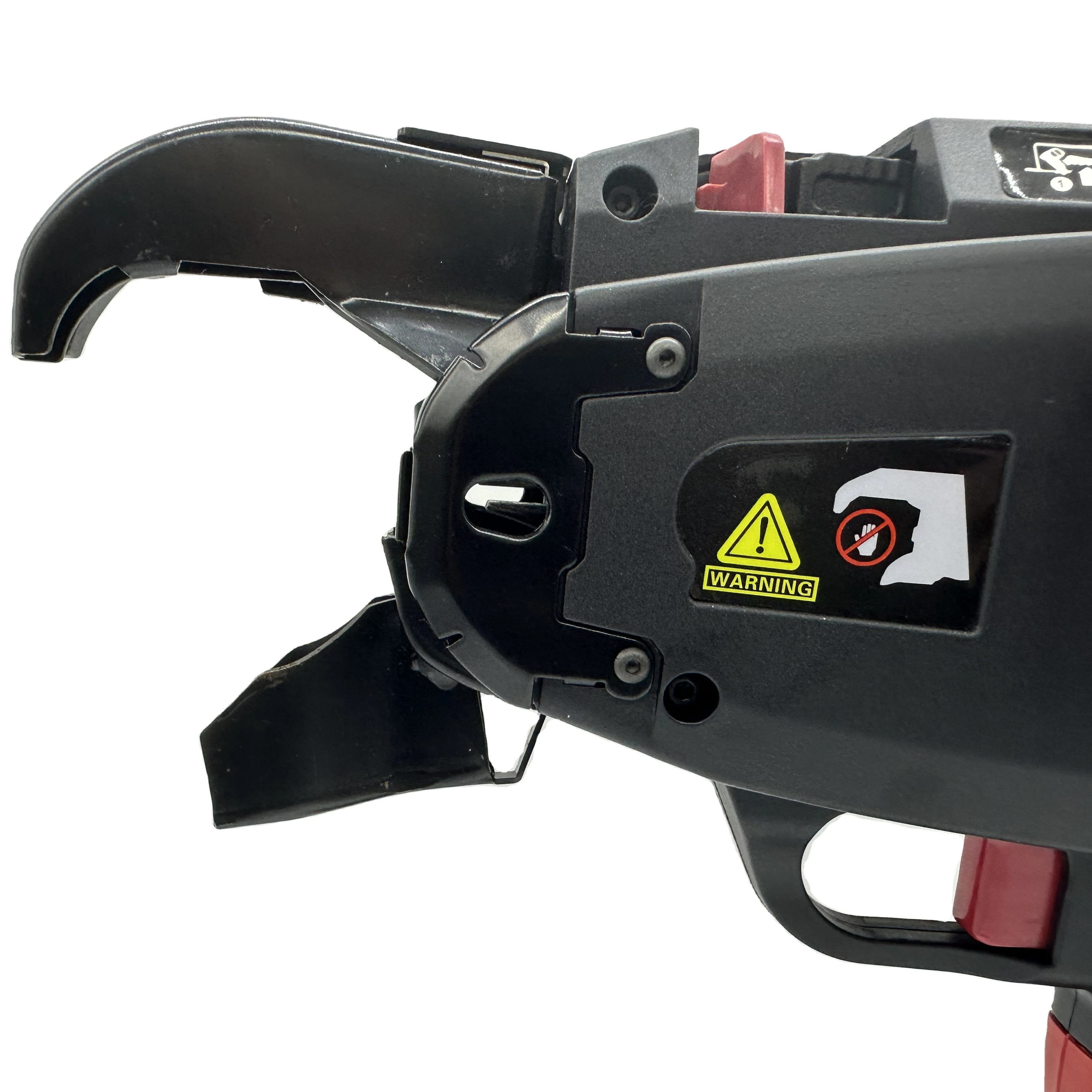
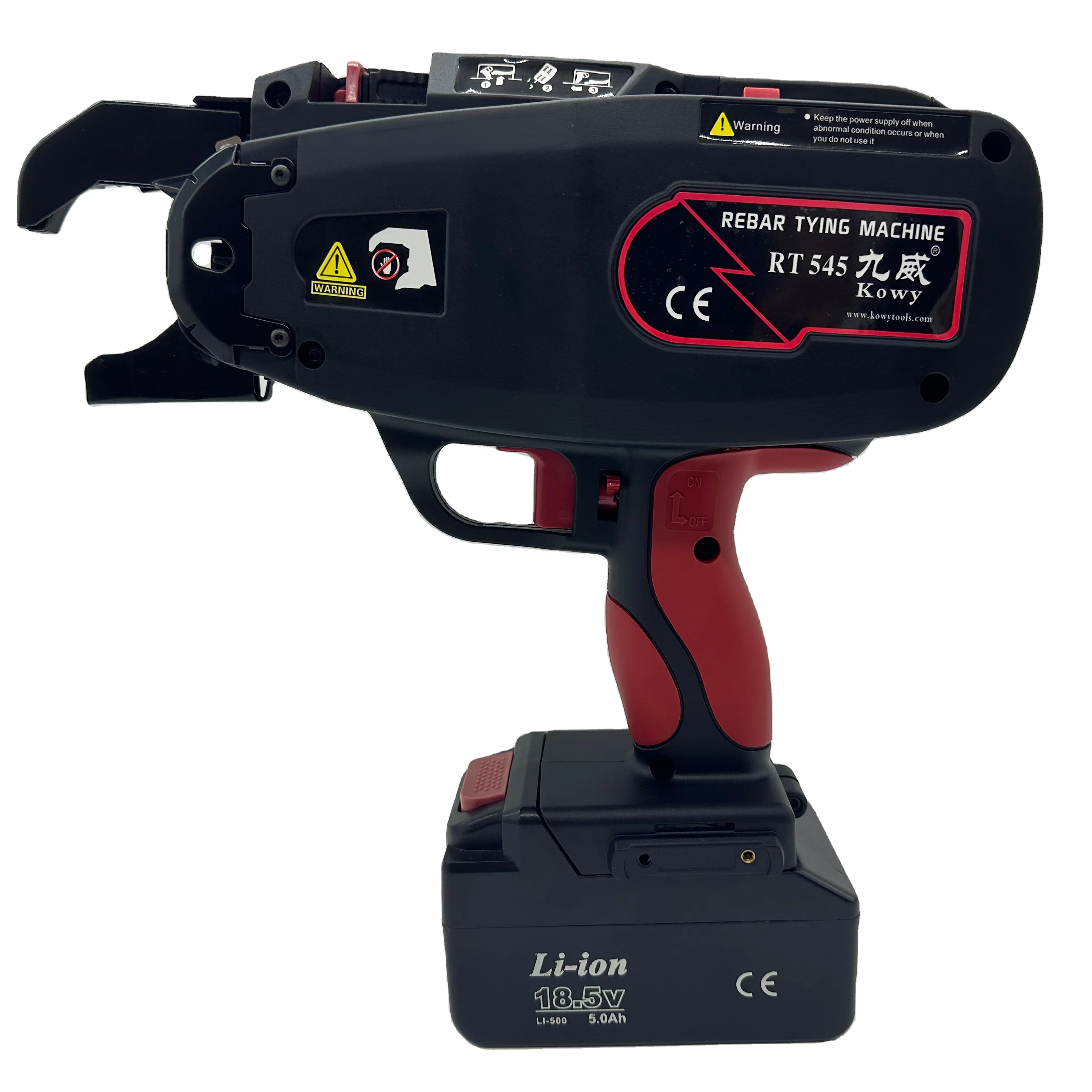
Manual rebar binding wastes massive labor time and reduces construction efficiency, so cordless automatic rebar tying machines have become standard gear for modern building, bridge, and infrastructure projects. Our two best-selling models, RT-441 and RT-650, share a similar 18V lithium battery system but differ greatly in core working range and practical performance. Many contractors, construction foremen, and hardware distributors struggle to pick the right unit for their job sites. This complete comparison breaks down every parameter, application scenario, pros, cons, and cost efficiency to help you make a clear purchasing decision between RT-441 and RT-650 rebar tying tools.
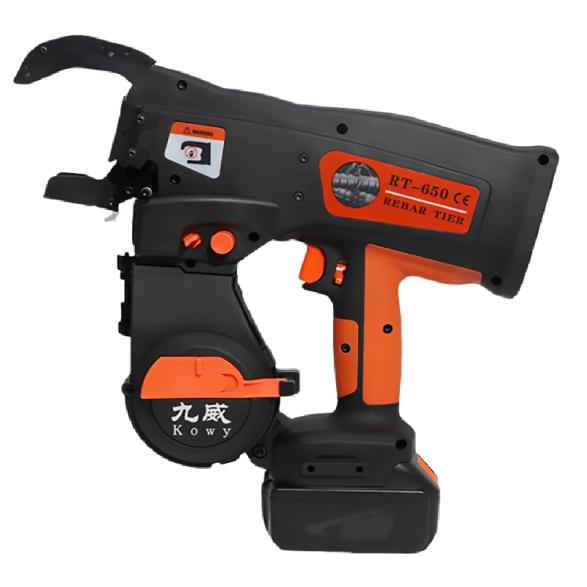
1. Core Technical Parameter Side-by-Side Comparison
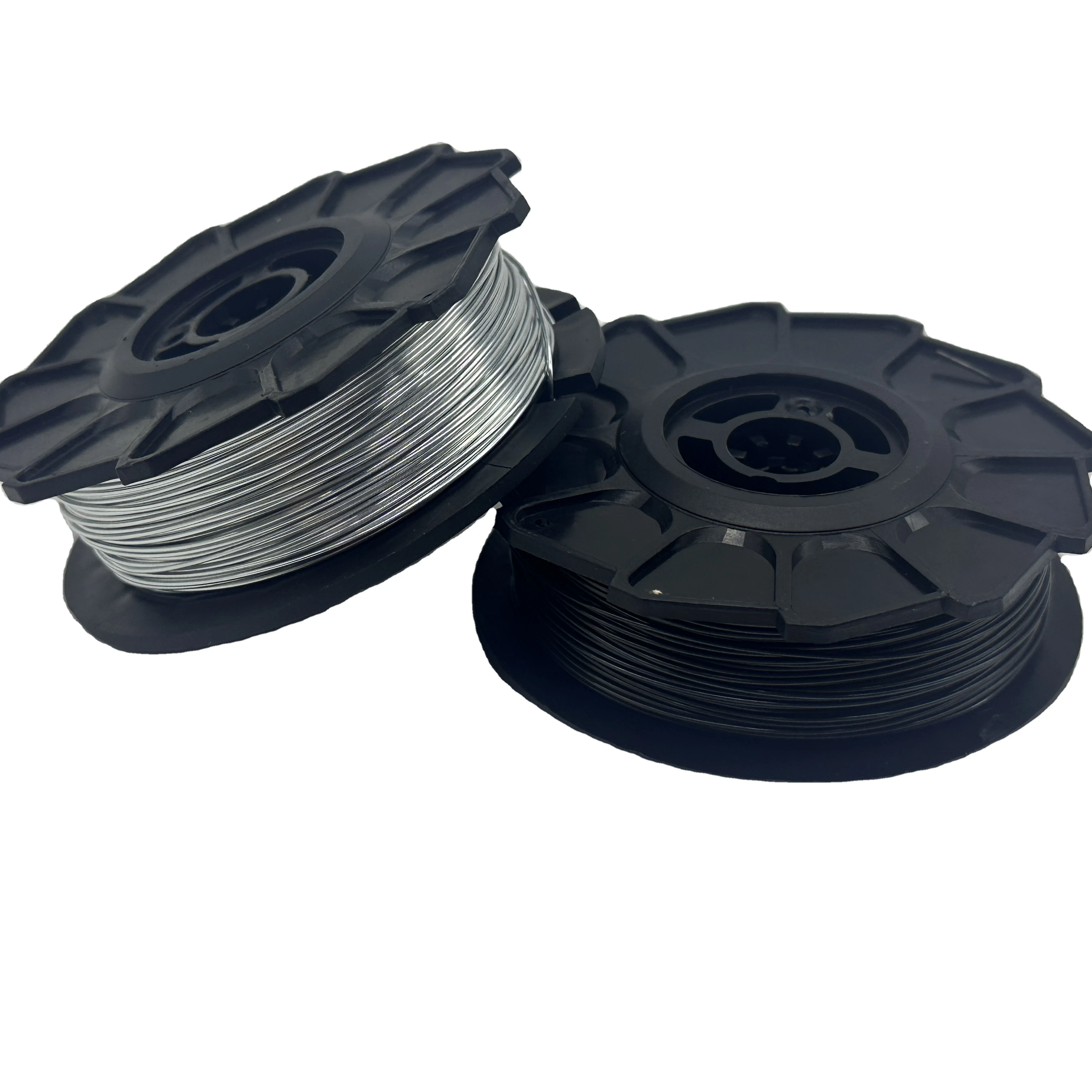
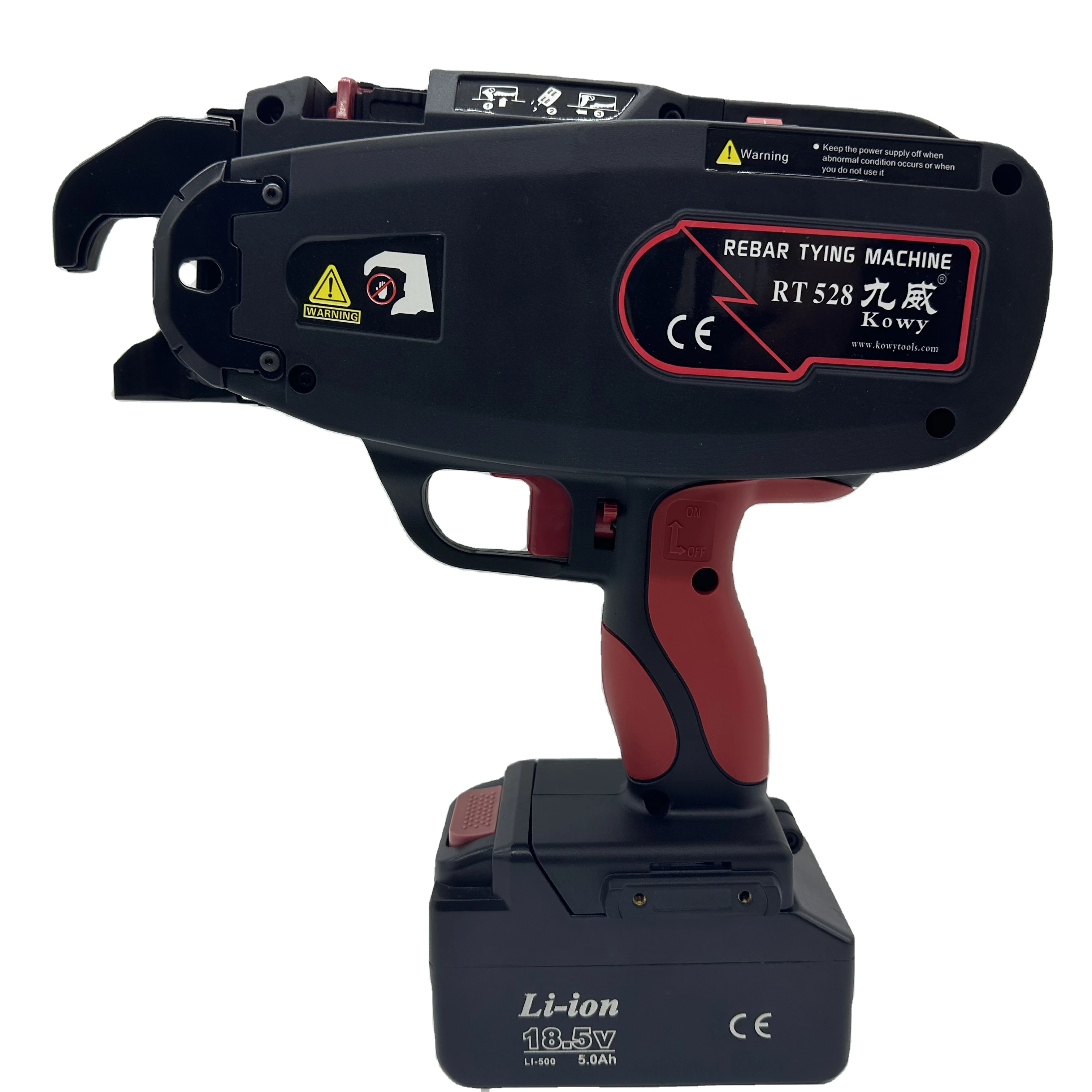
Both machines adopt DC18V 5.0AH large-capacity lithium batteries, matching 1.0mm twin binding wire, and come with the same standard package configuration: 2 batteries, 1 charger, and 2 rolls of tie wire per complete set. Still, key functional gaps separate them for different rebar sizes.
Tying Diameter Range (The Biggest Difference)
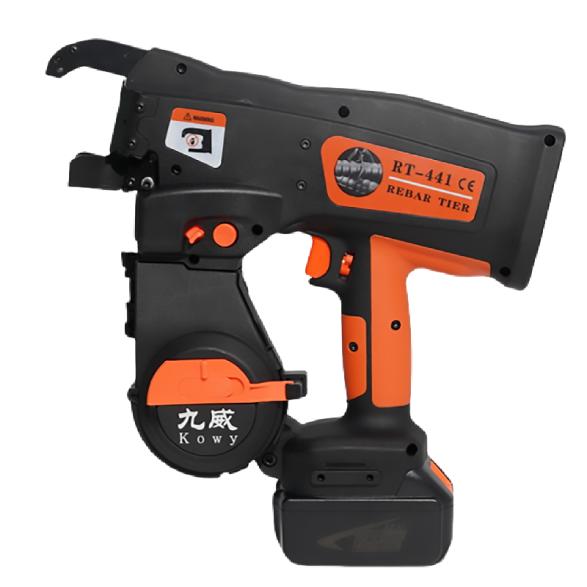
· RT-441: Supports rebar bundles from 4mm to 45mm in total tied diameter. This model targets small and medium-sized steel bar combinations, including thin reinforcement used in residential houses, small precast components, and fence framing.
· RT-650: Covers a wider 4mm to 65mm tying range. It handles thick multi-layer rebar clusters required for high-rise buildings, highway bridges, tunnel foundations, and heavy industrial construction. If your project uses stacked thick steel bars, RT-650 is the only option here.
Working Speed & Single Coil Capacity
Tying speed directly affects daily construction output:
· RT-441 finishes one secure tie in only 0.6 seconds, faster than its counterpart. Each wire roll delivers roughly 330 ties, more than the RT-650’s 260 ties per coil. For light-duty continuous tying, the RT-441 cuts down wire replacement frequency.
· RT-650 takes 0.7 seconds per tie due to its larger binding jaw mechanism needed to wrap bigger rebar bundles. Its fewer ties per coil means crews will swap wire rolls more often on heavy construction sites.
Battery Endurance & Charging Specs
Both units feature identical battery and charging performance: A full single battery charge supports around 3700 ties for RT-441 and 3600 ties for RT-650. The tiny endurance gap comes from extra power consumption the RT-650 uses to tighten thick rebar bundles. Charging time stays consistent at 110 minutes for a full 5.0AH battery for both models. Each machine ships with two batteries, so workers can rotate charging without work interruptions all day long.
Weight & Dimension
· RT-441 net weight: 3.27kg; Size: 330*110*330mm
· RT-650 net weight: 3.29kg; Size: 350*110*330mm The RT-650 has a slightly longer body and 20 grams extra weight from its extended jaw assembly. The weight difference is barely noticeable during long shifts, so operator fatigue will not be a major deciding factor between the two.
2. Suitable Construction Scenarios for Each Model
When to Choose RT-441 Rebar Tying Machine
1. Residential & small self-build housing projects: Most domestic house rebar bundles fall under 45mm total diameter. The faster 0.6s tying speed accelerates light reinforcement work.
2. Precast small concrete parts: Wall panels, floor tiles, small fence bases use thin steel bar combinations perfectly matched to RT-441’s range.
3. Light commercial jobs: Low-rise retail buildings, garden retaining walls, and small drainage infrastructure.
4. Hardware wholesale & small rental stores: RT-441 has lower wire consumption, fewer coil replacements, and fits most entry-level construction clients.
5. Crews prioritizing maximum daily tying output with medium-small rebar.
When to Choose RT-650 Rebar Tying Machine
1. High-rise commercial & apartment towers: Column and beam rebar stacks often exceed 45mm, requiring the 65mm max tying capacity.
2. Bridge, highway, and tunnel engineering: Heavy load-bearing foundation steel bars form thick bundles only the RT-650 can fully wrap and fasten.
3. Industrial factory plant construction: Massive reinforced concrete bases with multi-layer thick steel reinforcement.
4. Large construction contracting companies handling mixed heavy-duty projects.
5. Job sites that regularly combine more than 4 thick steel bars into one bundle.
3. Advantages & Disadvantages Summary
RT-441 Pros & Cons
Pros: Faster tying speed, more ties per wire coil, compact jaw design, ideal for light to medium construction, less wire waste. Cons: Cannot process rebar bundles wider than 45mm, incompatible with heavy infrastructure thick steel bar clusters.
RT-650 Pros & Cons
Pros: Ultra-wide 4–65mm tying diameter, compatible with all common construction rebar sizes, universal for both residential and heavy engineering projects. Cons: Slightly slower tying cycle, fewer ties per wire roll, marginally heavier and longer body.
4. Final Buying Recommendations
· Pick RT-441 if you mainly work on private housing, small precast parts, light commercial builds, or run a small hardware supply shop catering to local residential contractors. Its higher coil tie count and quicker operation deliver better daily productivity for thin rebar work.
· Pick RT-650 if your projects cover high-rises, bridges, tunnels, industrial plants, or mixed heavy-duty construction. The extended 65mm tying range eliminates the need to own multiple tying machines for different rebar sizes, making it a universal heavy-duty workhorse.
· For large construction firms managing both residential and infrastructure contracts, purchasing both models balances efficiency across all job types. All our rebar tying guns support OEM customization, bulk pallet shipping with complete UN38.3 lithium transport certification, and global after-sales spare parts supply.
Conclusion
There is no absolute “better” model between RT-441 and RT-650 automatic rebar tying machines—the correct choice entirely depends on the maximum rebar bundle size your construction projects require. Confirm your typical steel bar combination diameter first: under 45mm for RT-441, up to 65mm for RT-650. Both tools share the same durable 18V lithium battery system, standard accessory kit, and reliable long-term performance to cut labor costs and boost job site speed far above manual wire tying. Contact our sales team to get bulk pricing, sample testing, or full export compliance documents for your market.
 Hot News
2026-07-28
2026-07-03
2026-06-18
2026-05-28
2026-05-26
2026-03-23
Copyright © Ninghai Sanyuan Electric Tools Co., Ltd. All Rights Reserved - Privacy Policy
 EN
EN