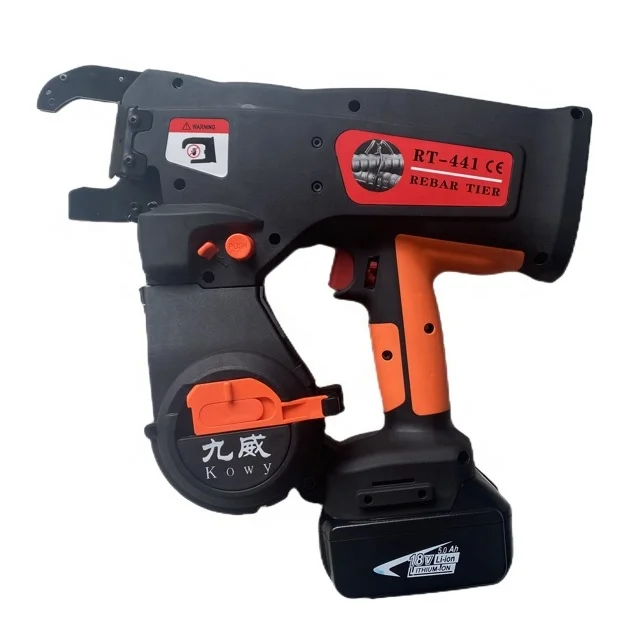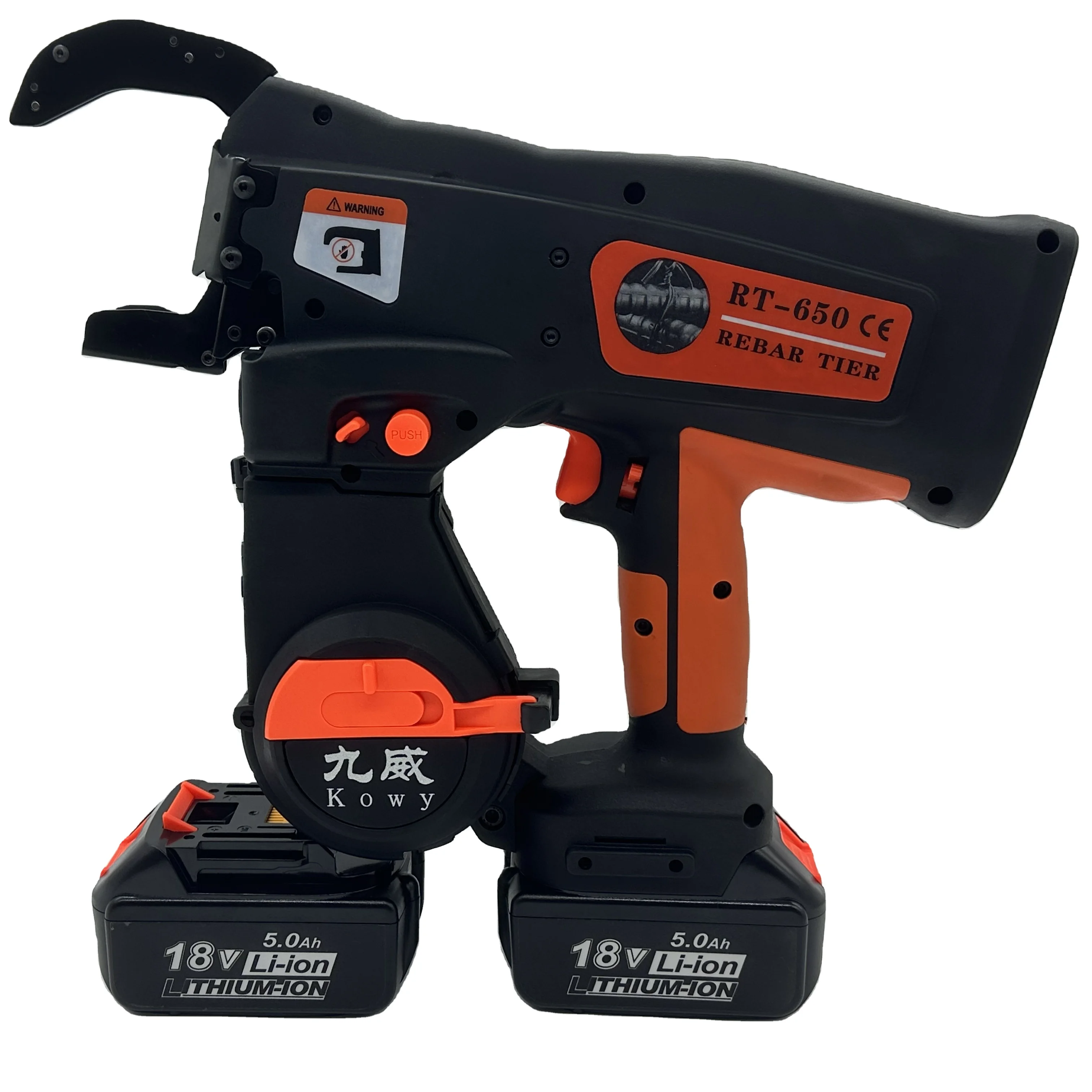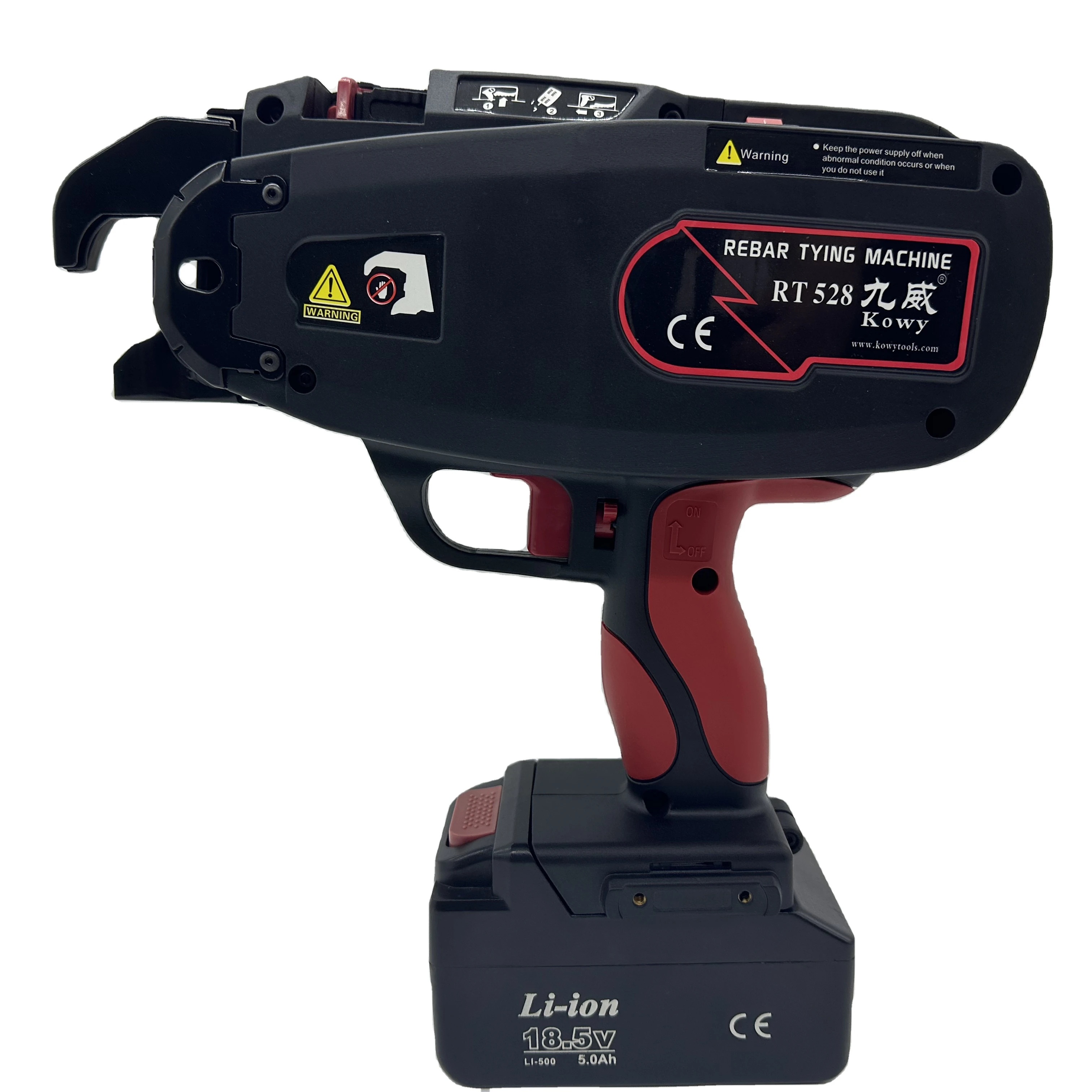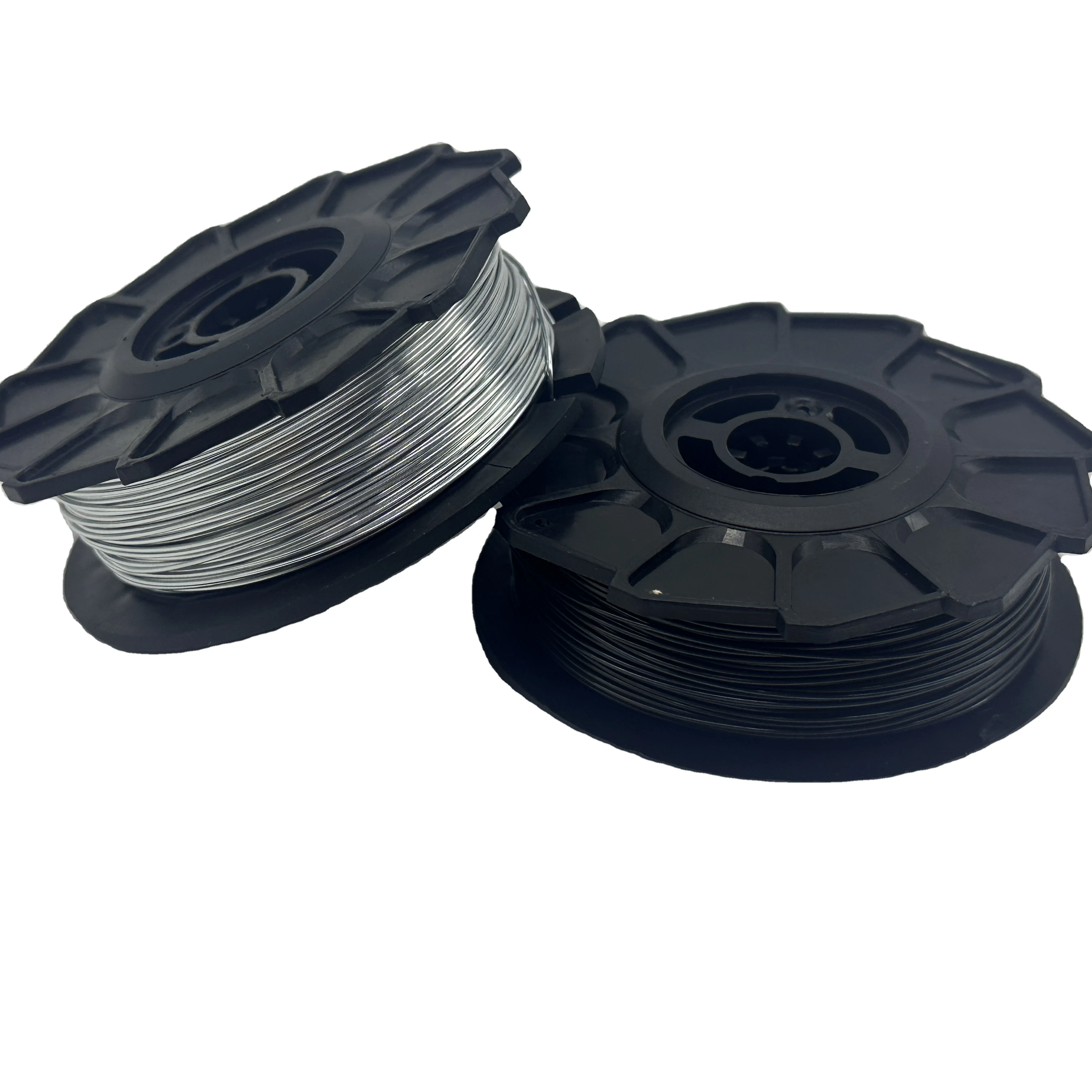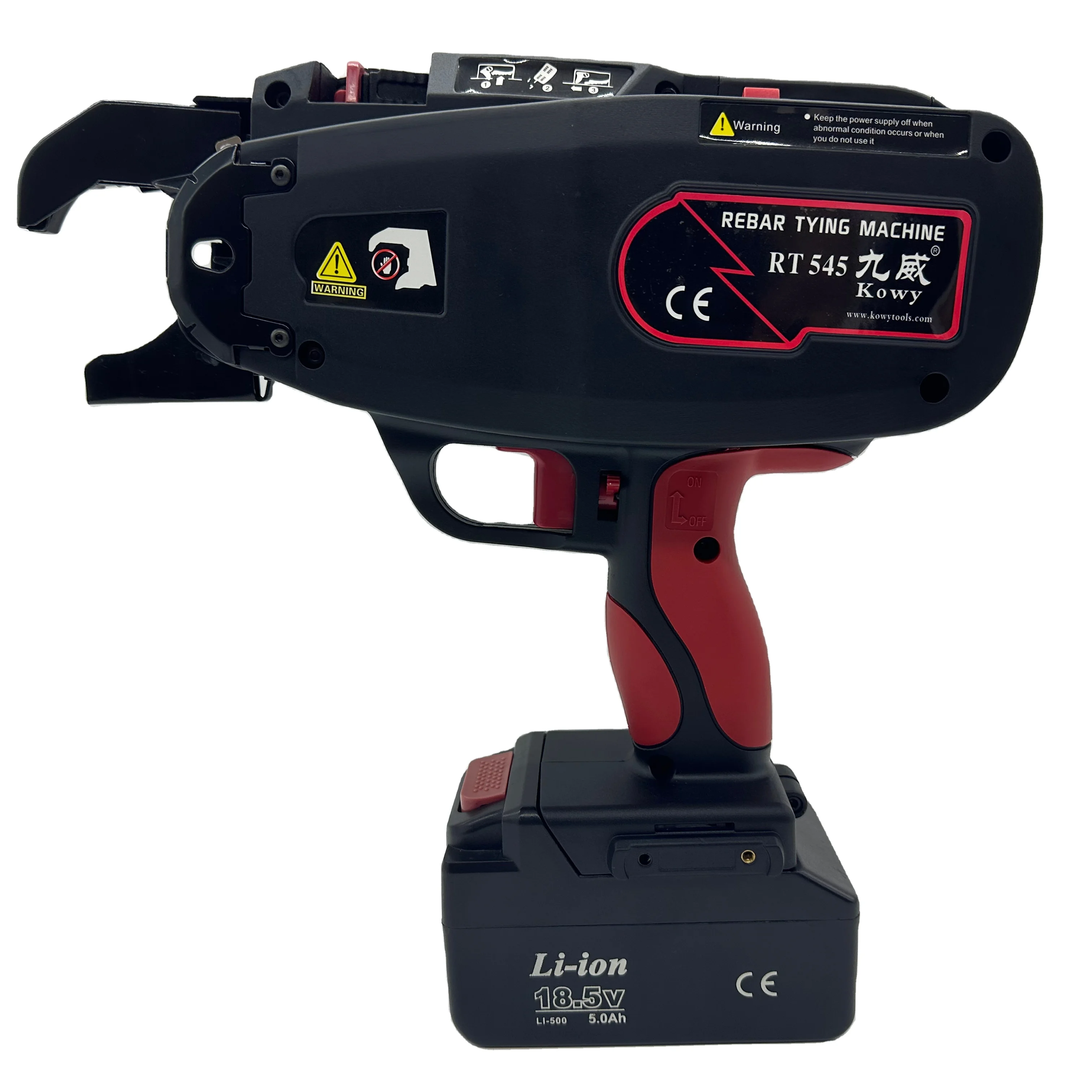
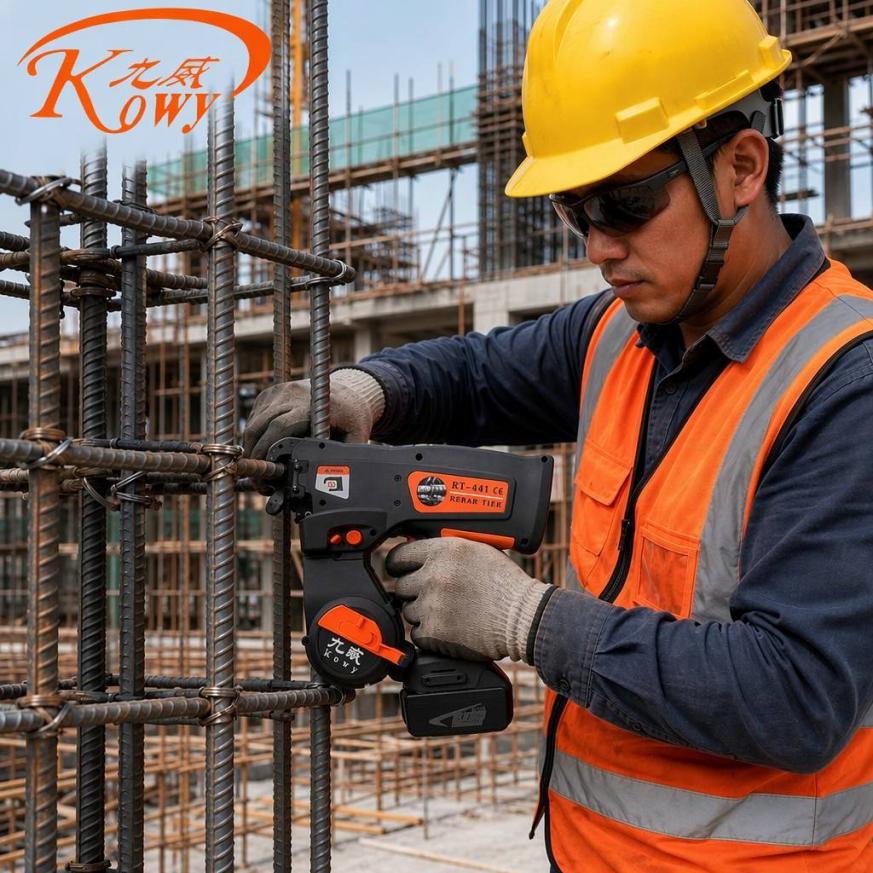
Walk onto a mid-size construction site in India, Vietnam, or the American Midwest today and you will notice something that was rare five years ago: the near-total disappearance of the manual wire-twisting hook. Cordless automatic rebar tying machines—compact, battery-powered tools that wrap and cut tie wire around rebar intersections in under a second—have gone from a niche upgrade to standard equipment. The global rebar tying tools market reached 2.8billionin2025∗∗andisprojectedtohit ∗∗4.6 billion by 2033, growing at 6.8% CAGR (DataIntelo, May 2026). Automatic tools alone command 42.5% of revenue—roughly $1.19 billion—and are expanding at 8.2%.
But the headline figure is less interesting than why this market is accelerating now, after decades of slow change. Three structural forces are converging that make this industry fundamentally different from what it was even in 2020.
The Labor Math No Longer Works
Across developed economies, the construction workforce is shrinking faster than it can be replaced. The U.S. alone had 292,000 unfilled construction jobs in late 2025, and the industry needed an estimated 439,000 additional workers just to meet that year's demand. Roughly 41% of the current U.S. construction workforce is expected to retire by 2031 (ADP). Rebar work is among the hardest-hit trades: physically punishing, repetitive, and increasingly difficult to staff—especially on large infrastructure projects where rebar volumes routinely exceed 500 tons per site.
Labor for reinforced concrete installation now accounts for 35–42% of total structural costs. This is where the automatic tying machine stops being a "nice-to-have" and becomes basic arithmetic. Field studies in 2025 documented crews using automatic systems completing rebar preparation 40–50% faster than manual teams. One automatic tool ties a connection in 3–4 seconds versus 10–15 seconds by hand—a 200–400% productivity gain. Capital investment typically pays back within 6–12 months.
There is a safety dimension too. The International Labour Organization reports construction workers suffer musculoskeletal disorders at 3.5 times the rate of other professions. Automatic systems reduce repetitive strain injuries by roughly 65%. In markets like Europe, where safety regulations are tightening, this is becoming a procurement mandate, not a preference.
The Technology Has Caught Up
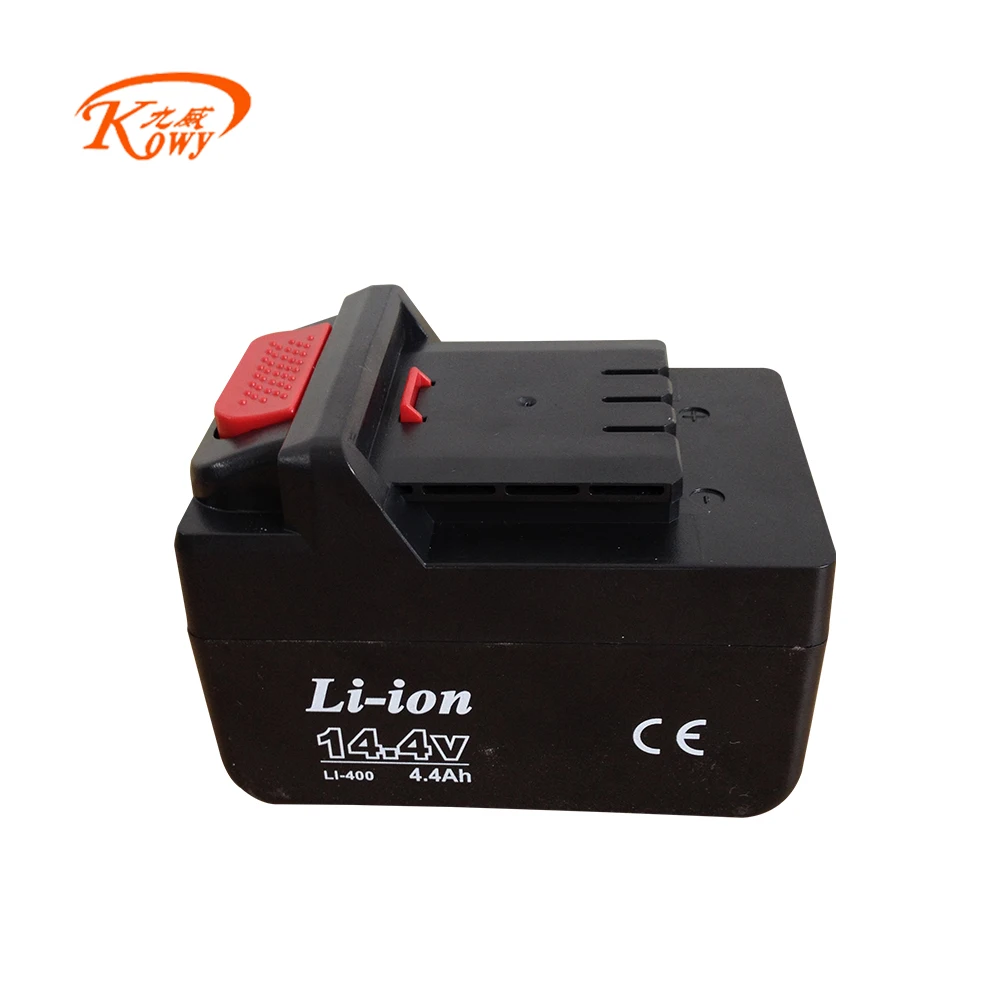
For years, battery-powered tying tools were dismissed as heavy, underpowered, or unreliable on thick rebar. That criticism has aged badly. Lithium-ion improvements have extended runtime by roughly 45% since 2020, and brushless motors now deliver consistent torque across diameter ranges from 4mm to 58mm.
More significant is the shift from standalone tools to connected systems. At World of Concrete 2025 in Las Vegas, Japan's MAX Co.—which holds roughly 18% of the global automatic rebar tying market with over 1.2 million units sold—unveiled an autonomous mobile tying robot that navigates rebar grids, detects intersections, and ties without human guidance. The prototype ran stably for three days at the exhibition, tying at speeds close to a skilled operator.
This is not a lab experiment. The top three manufacturers—MAX, Makita, and SURSPIDER—control about 73% of the market, and all are investing in digital connectivity, battery intelligence, and automation. Smart features like usage tracking, maintenance alerts, and integration with job-site management platforms are becoming standard on premium models. The tying machine is evolving from a simple electromechanical tool into a data-generating node on the connected construction site.
Where the Growth Actually Is
Asia Pacific dominates with 38.2% of global revenue (1.07billionin2025),drivenbyChina′sinfrastructurespending—theBeltandRoadInitiativealonegenerated∗∗128.4 billion in construction contracts in 2025**—plus India's Smart Cities Mission targeting 100 cities and rapid urbanization across Vietnam, Indonesia, and the Philippines. North America holds 28.4%, Europe 18.9%, where demand skews toward premium, regulation-compliant equipment.
Less discussed is the emerging-market middle. Latin America (6.4%) and the Middle East/Africa (8.1%) have small shares but some of the fastest growth rates. Contractors in Brazil, Saudi Arabia, and Nigeria are leapfrogging directly from manual tools to automatic systems, skipping the semi-automatic step that characterized developed-market adoption a decade ago. This has significant implications for Chinese manufacturers—including companies like Kowy, producing rebar tying machines since 2003 and now shipping to over 80 countries—because price-to-performance value becomes the decisive factor in these high-growth corridors.
What Comes Next
If the last five years were about replacing the manual hook with the battery-powered gun, the next five will be about connecting that gun to the site, and the five after about removing the operator from the loop entirely. MAX's autonomous robot is the most visible signpost, but the broader trend is toward assistive systems that log tie counts, flag missed intersections, and feed productivity data into project dashboards.
The market is heading toward 4.6billion∗∗againstabackdropof∗∗15 trillion in cumulative global infrastructure investment through 2033 (World Bank), roughly 45% of which involves reinforced concrete. The rebar tying machine—once an afterthought in a contractor's toolbox—has become a small but structurally essential piece of how the world will build over the next ten years.
For contractors and distributors evaluating equipment today, the calculus has shifted entirely. The question is no longer "should we buy automatic tying tools?" but "which features, which supplier, and how fast can we get them on site?" The manufacturers that combine reliable hardware with competitive pricing and genuine after-sales support will capture disproportionate share in a market where demand is no longer the constraint—supply chain and service quality are.
 Hot News
2026-07-28
2026-07-03
2026-06-18
2026-05-28
2026-05-26
2026-03-23
Copyright © Ninghai Sanyuan Electric Tools Co., Ltd. All Rights Reserved - Privacy Policy
 EN
EN